
Key takeaways
- A partly blocked line can cope until demand spikes
- Holiday cooking and extra guests add water and grease
- Evening showers and laundry overlap
- Warning signs usually come first
A line at its limit
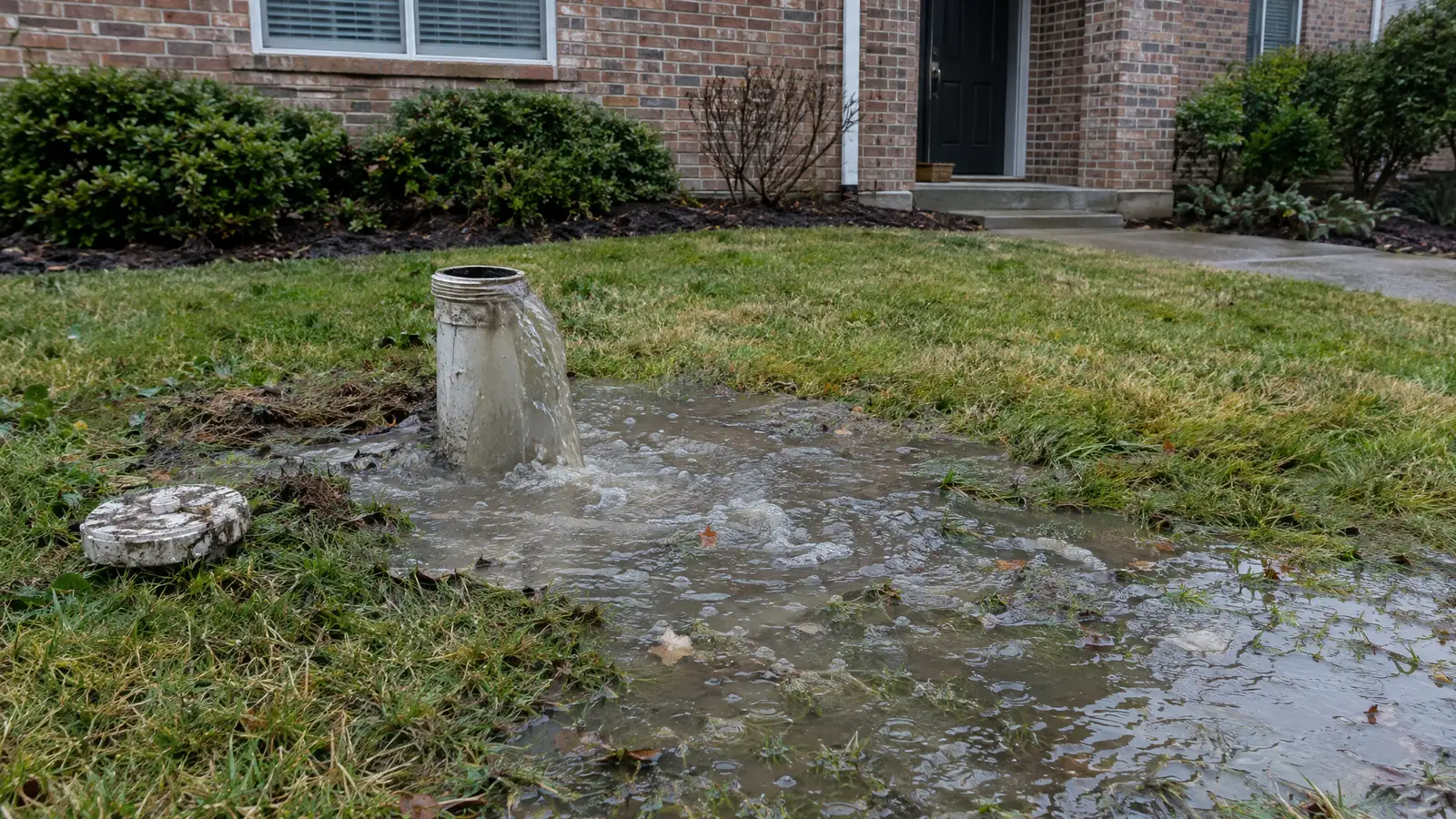
A sewer line that is partly blocked still carries flow, slowly. As long as demand is low, you may not notice. When several fixtures run at once, the line cannot keep up, and the water has to go somewhere.
That moment is often a busy one: a holiday meal, a full house or a night of laundry.
What peak days add
Holiday meals send fats and food scraps down the drain. More guests means more toilet flushes and showers. A big laundry day adds gallons in a short time.
Grease that cools overnight can tighten a line by morning.
Warning signs to heed
Slow drains, gurgling, a toilet that takes two flushes and a sewer smell are all hints that the line is struggling. A quick visit before the big day can save the day.
If you are hosting, avoid pouring grease down the drain and use the disposal sparingly.
If it happens anyway
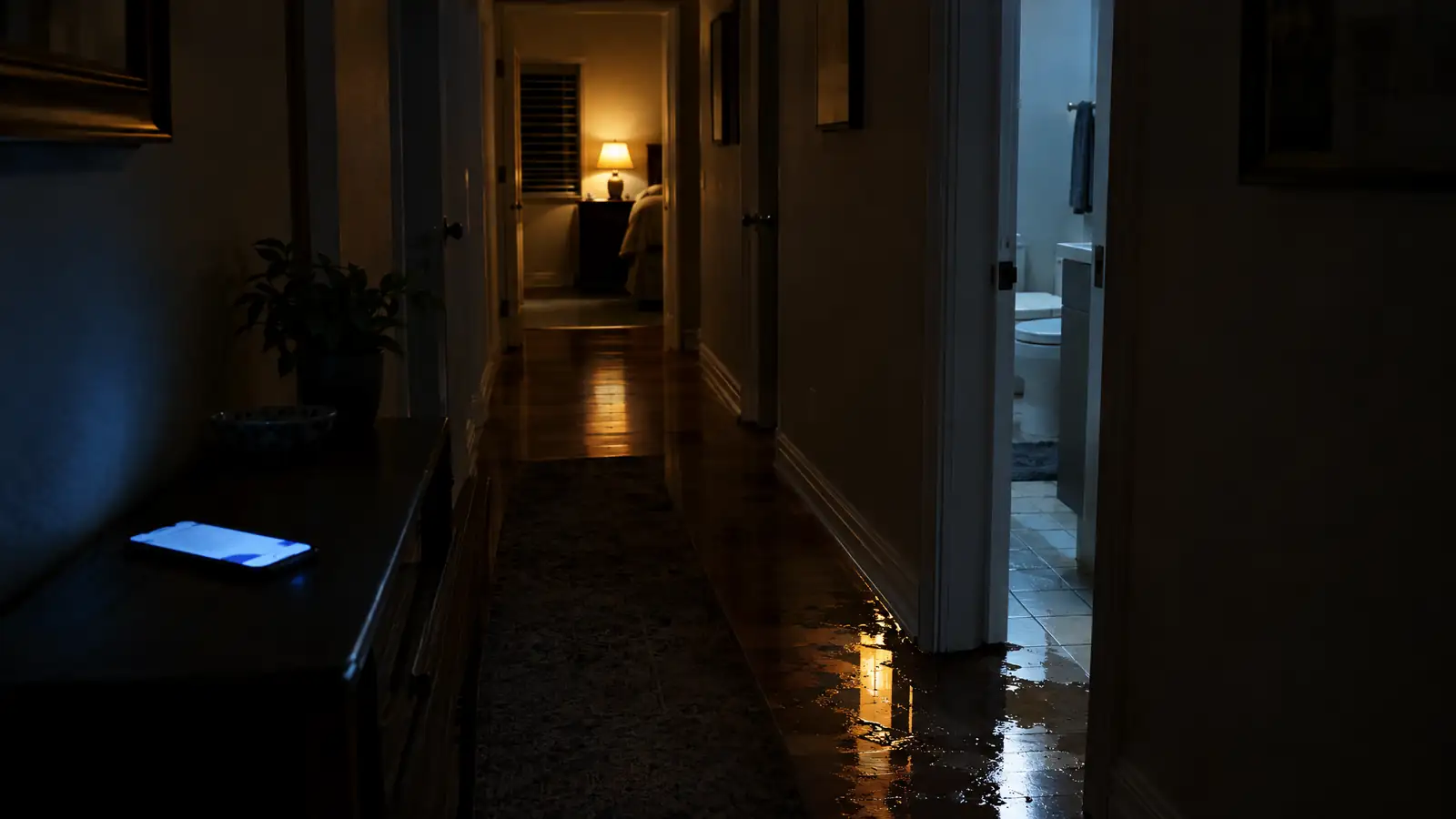
Stop all water use, keep guests away from the affected area and call. We handle emergencies on nights, weekends and holidays.
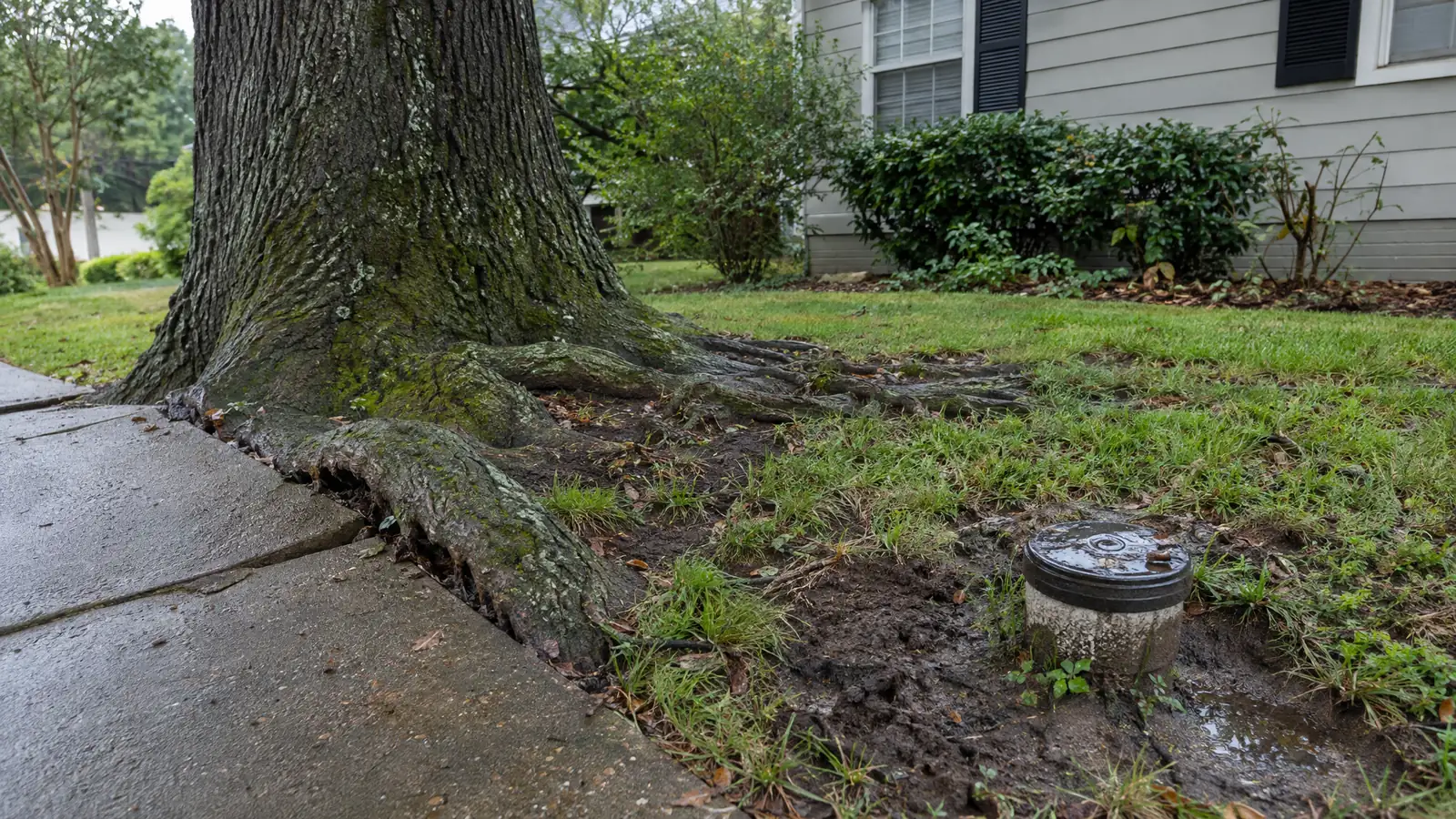
Afterward, ask about a camera inspection to find out what is limiting the line.
Quick answers
Is it just bad luck?
Often it is a line that was already close to blocked. Peak use pushes it over.
Can I prevent it?
Avoid grease and wipes, and have a slow-draining line looked at before the busy season.
Need help with this right now?
Call (615) 952-0844 any hour, or send the form below. If you smell gas, leave and call 911 and your gas utility first.