Key takeaways
- Roots enter through joints and cracks, not solid pipe
- Older clay and cast iron lines are more at risk
- Cutting is a temporary fix unless the entry is repaired
- A camera shows where they got in
Why roots go into pipes
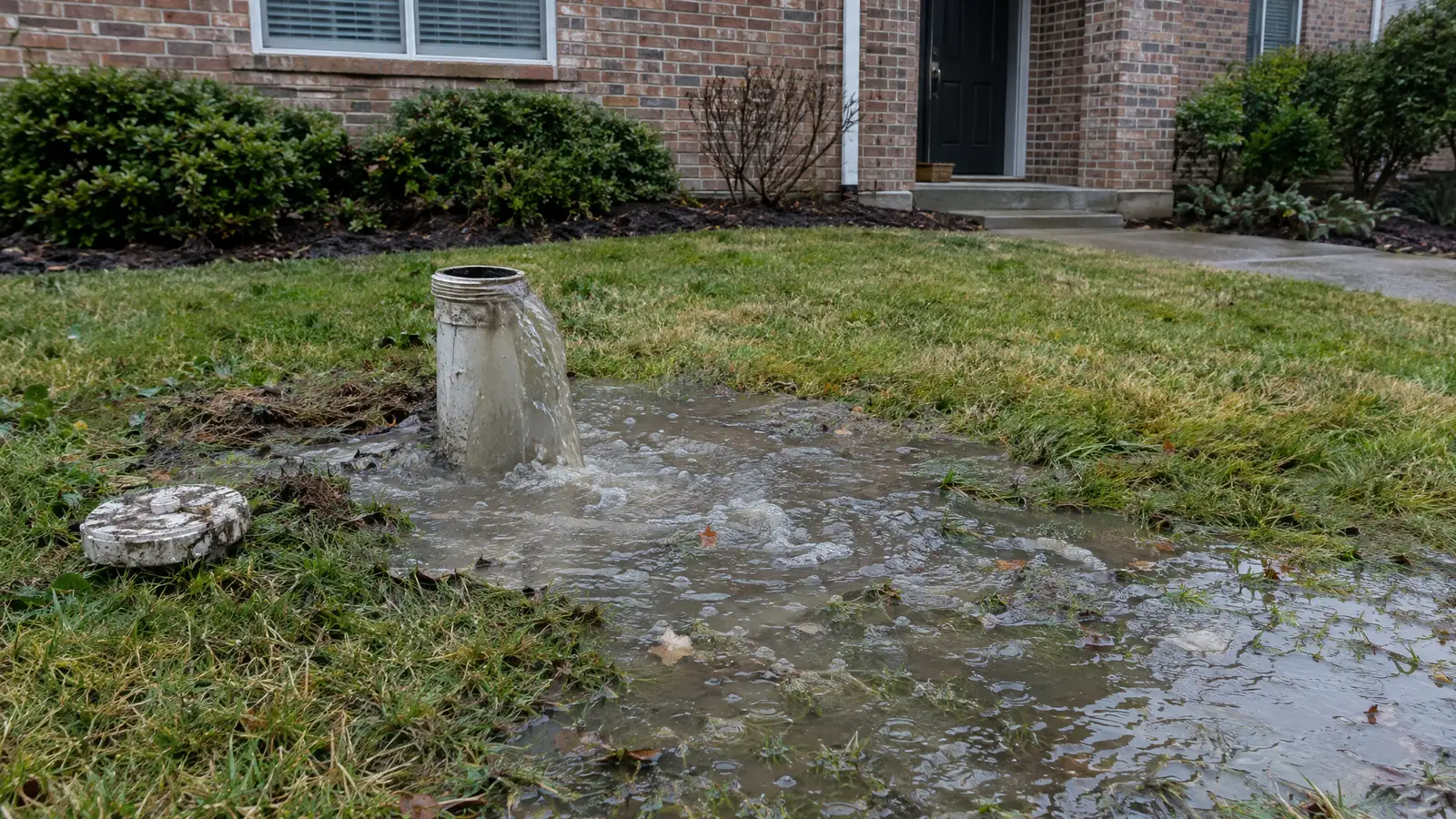
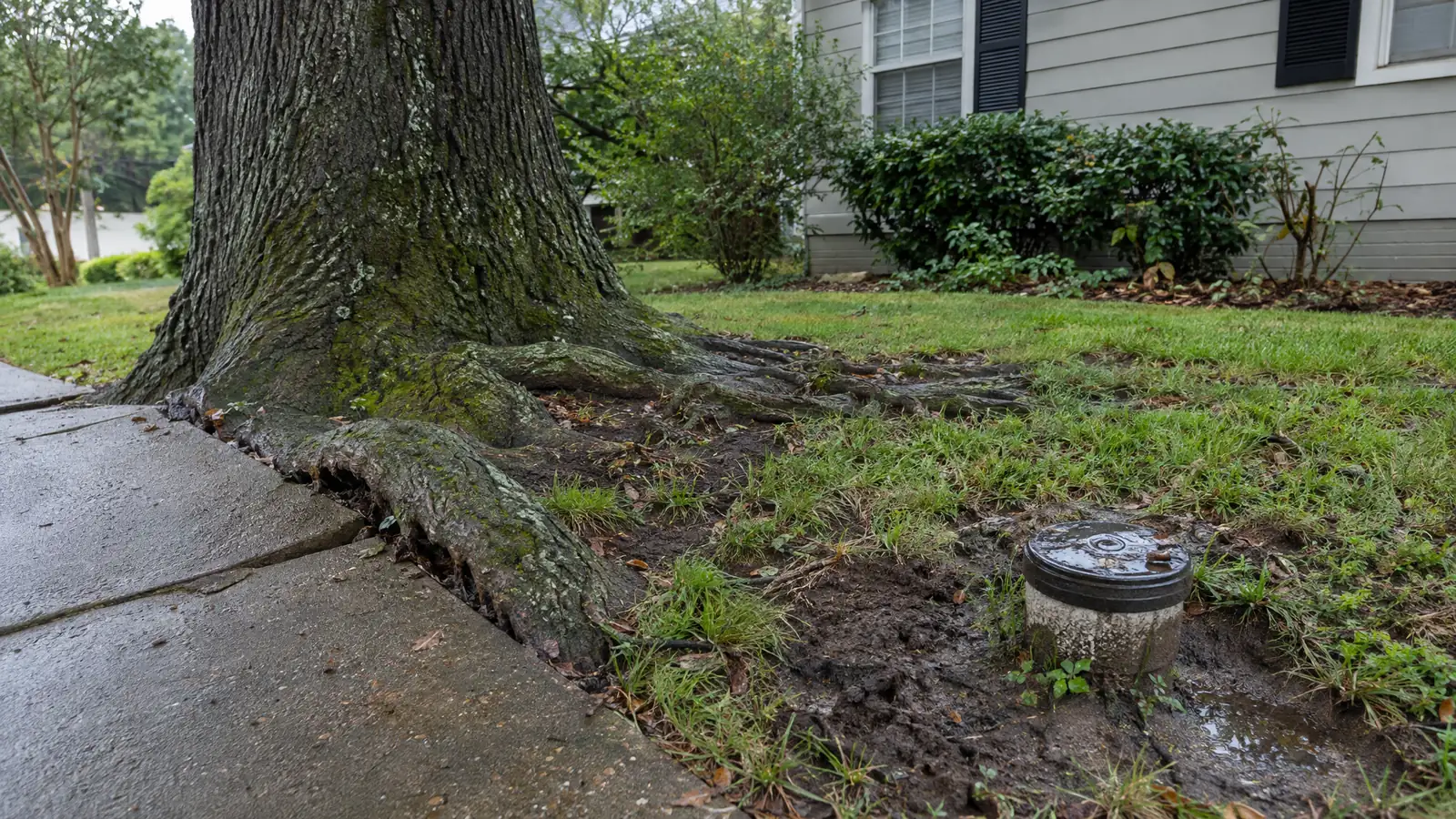
A sewer line is a steady source of moisture and nutrients. Roots grow toward it and slip into any small gap at a joint or a crack. Once inside, they spread out and form a mat that catches paper and grease.
The pipe was not broken by the root; the root found an existing weakness. Over time it can widen the gap.
How you notice them
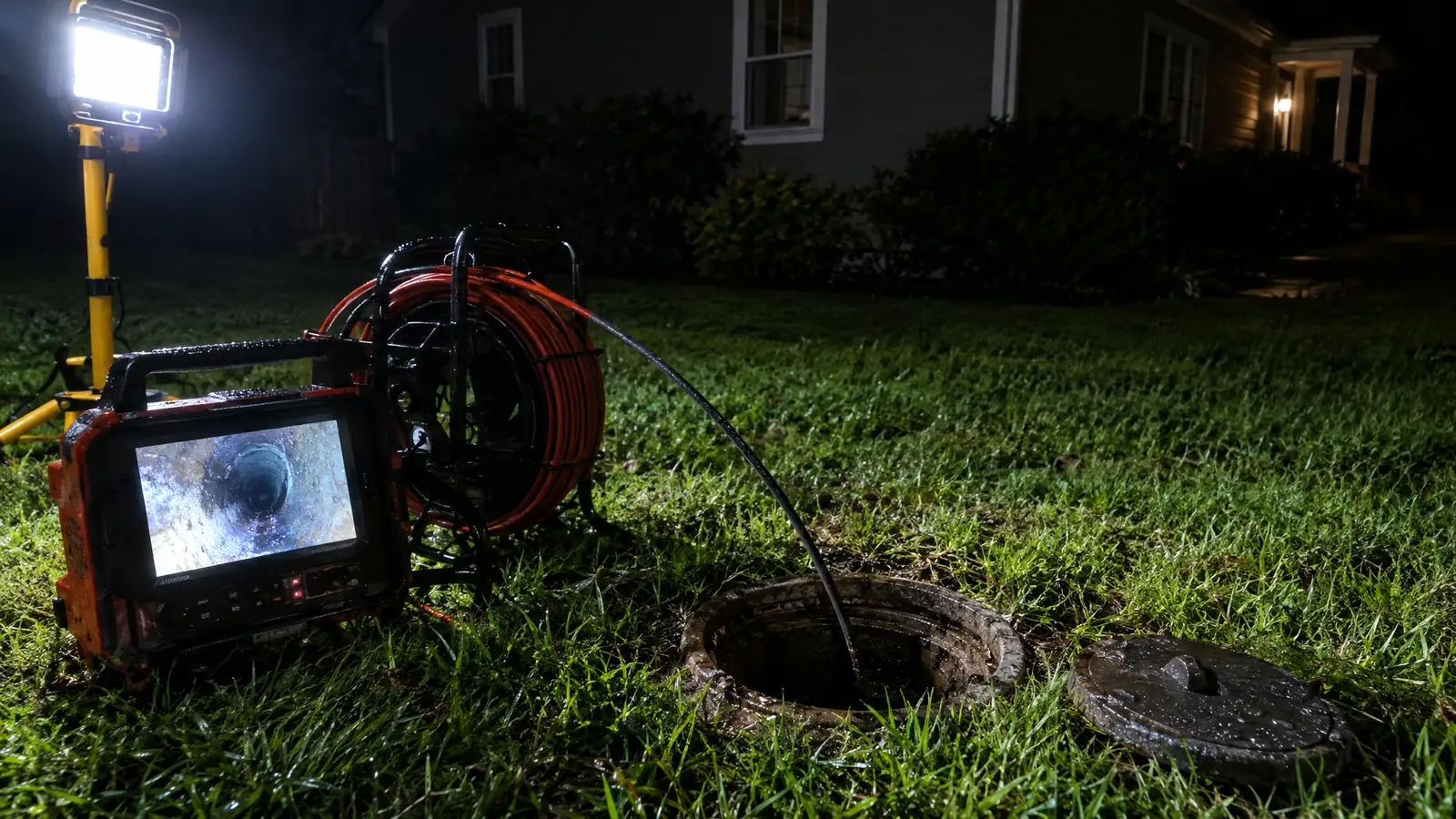
Repeat clogs, sometimes seasonal. Slow drains that clear and return. Gurgling. A camera view shows fine white roots like hair at a joint, or a dense mass that blocks the pipe.
Mature trees near the line increase the odds, especially in older neighborhoods.
Clearing and repairing
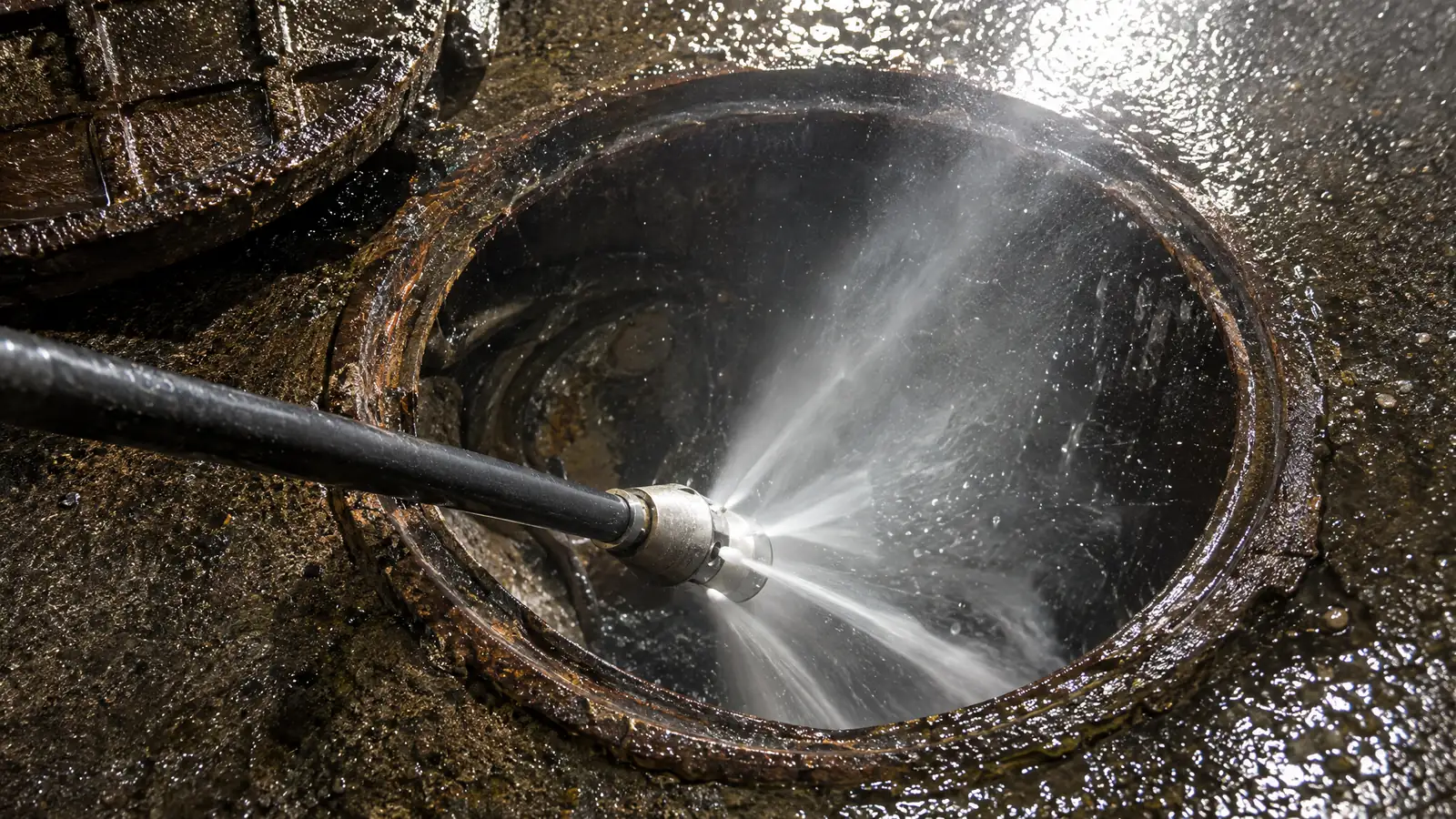
Cutting or jetting removes the roots inside the pipe, which restores flow. If the entry point stays open, roots return, sometimes within a year or two.
A lasting fix repairs or lines the pipe where they entered. A camera tells us how many entry points there are and how sound the rest of the pipe is.
Living with trees
You do not have to remove a tree. A maintenance cleaning interval can work if the pipe is otherwise sound. If the pipe is damaged, repair is better than repeated cutting.
Avoid planting water-seeking species near the sewer line, and ask before using root killers, which are not a substitute for a repair.
Quick answers
Do root killers work?
Some slow regrowth inside the pipe but do not fix the opening. Ask a professional before using them.
Is it covered by insurance?
Often not, since it is treated as maintenance. Check your policy.
Need help with this right now?
Call (615) 952-0844 any hour, or send the form below. If you smell gas, leave and call 911 and your gas utility first.