Key takeaways
- A cleanout is a capped pipe with direct access to the sewer line
- Common locations: near the foundation, in the yard, in a basement or garage
- If a cleanout is full, do not open it
- A missing cleanout can be installed
What a cleanout is
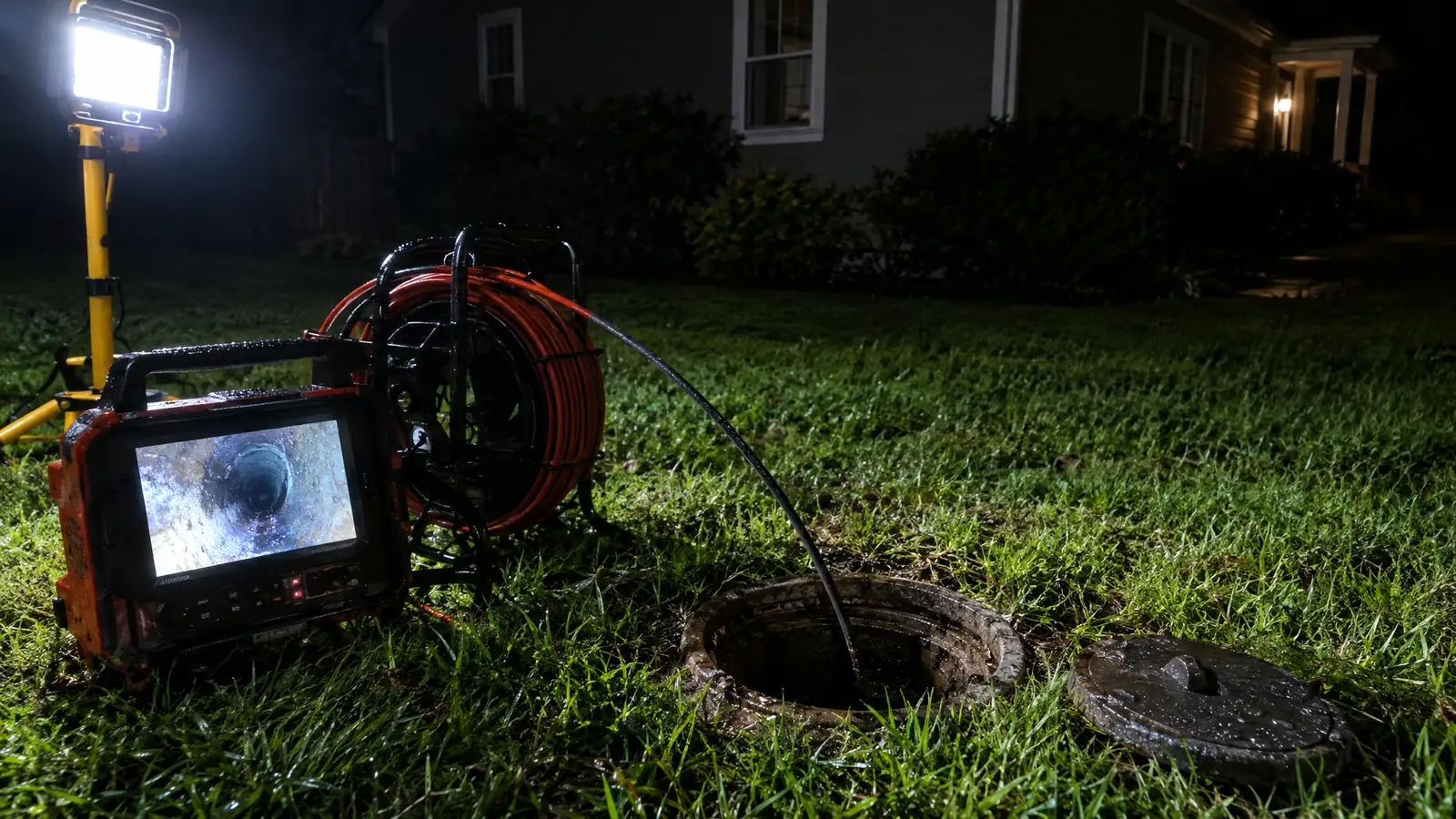
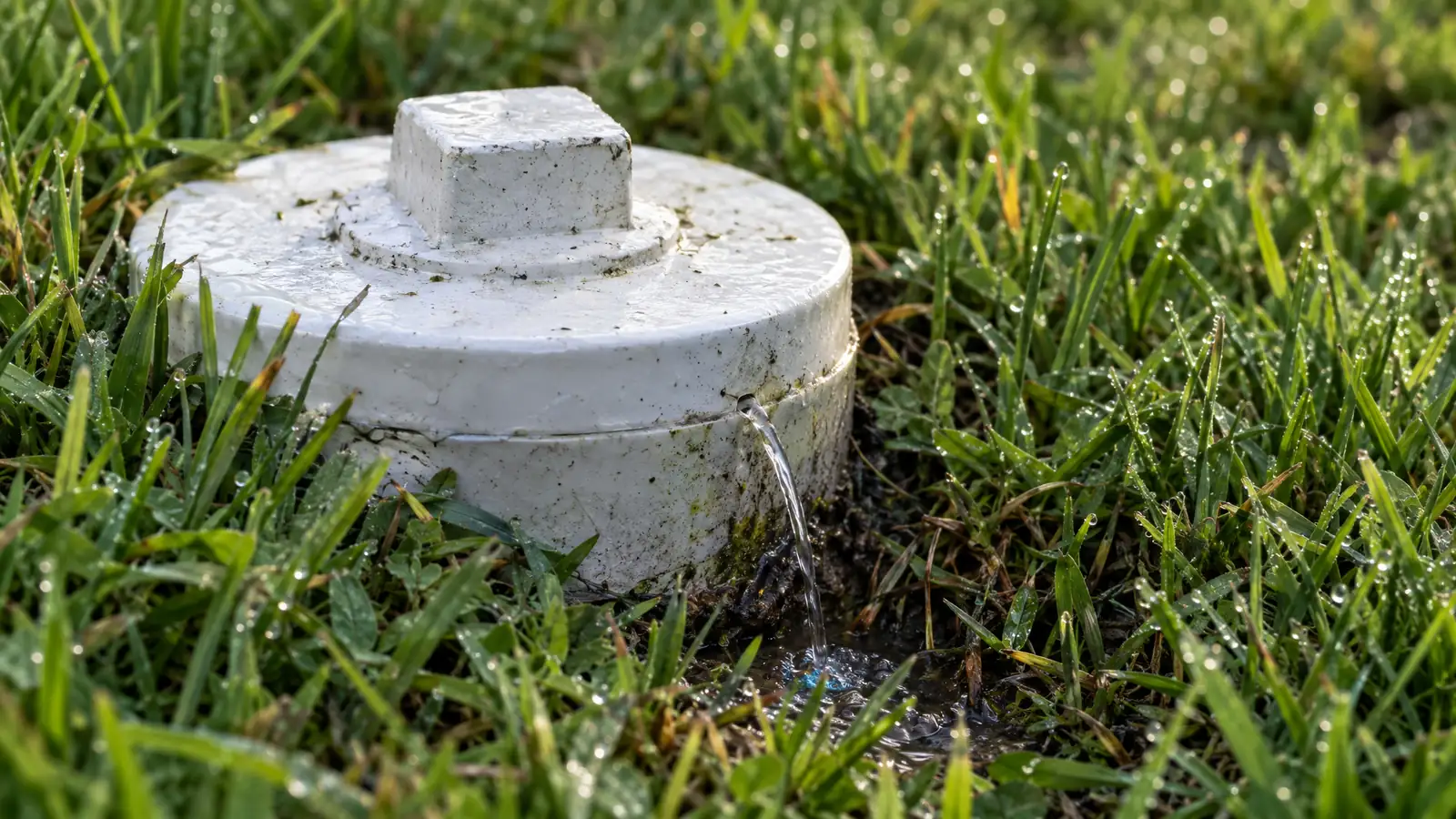
A sewer cleanout is a vertical pipe, usually three or four inches across, with a screw cap. It is a straight way into the sewer line so that a technician can clear the line or run a camera without taking out a toilet.
Some homes have more than one, and some have none.
Where to look
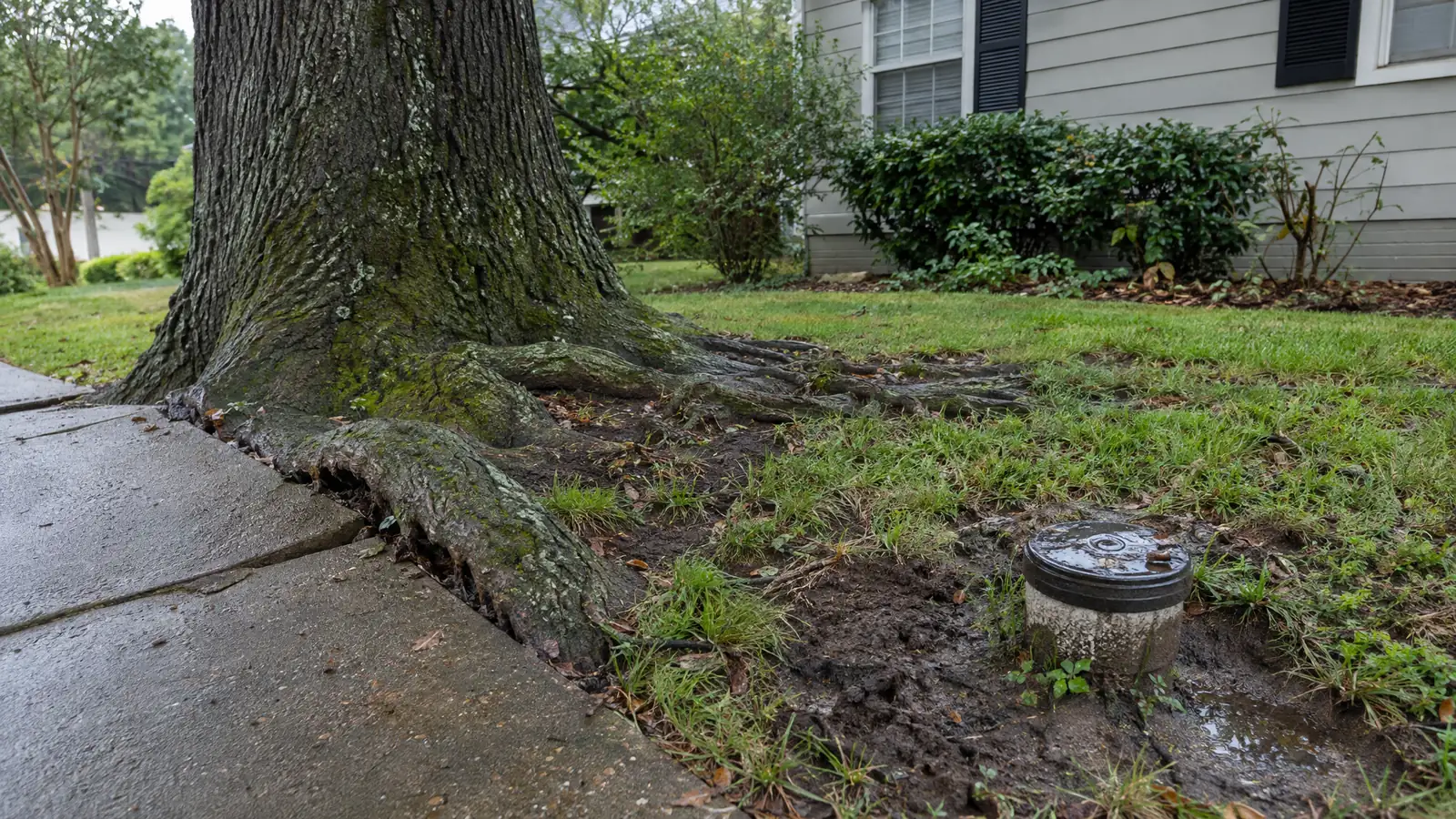
Outside, look along the foundation closest to the street or where the bathrooms are. Inside, look in the basement, a utility room or the garage near where the main drain leaves the house. In the yard, look for a cap at ground level, sometimes under a small cover.
The cap may be buried or hidden by shrubs. If you cannot find it, we can trace likely routes.
What to do and not do
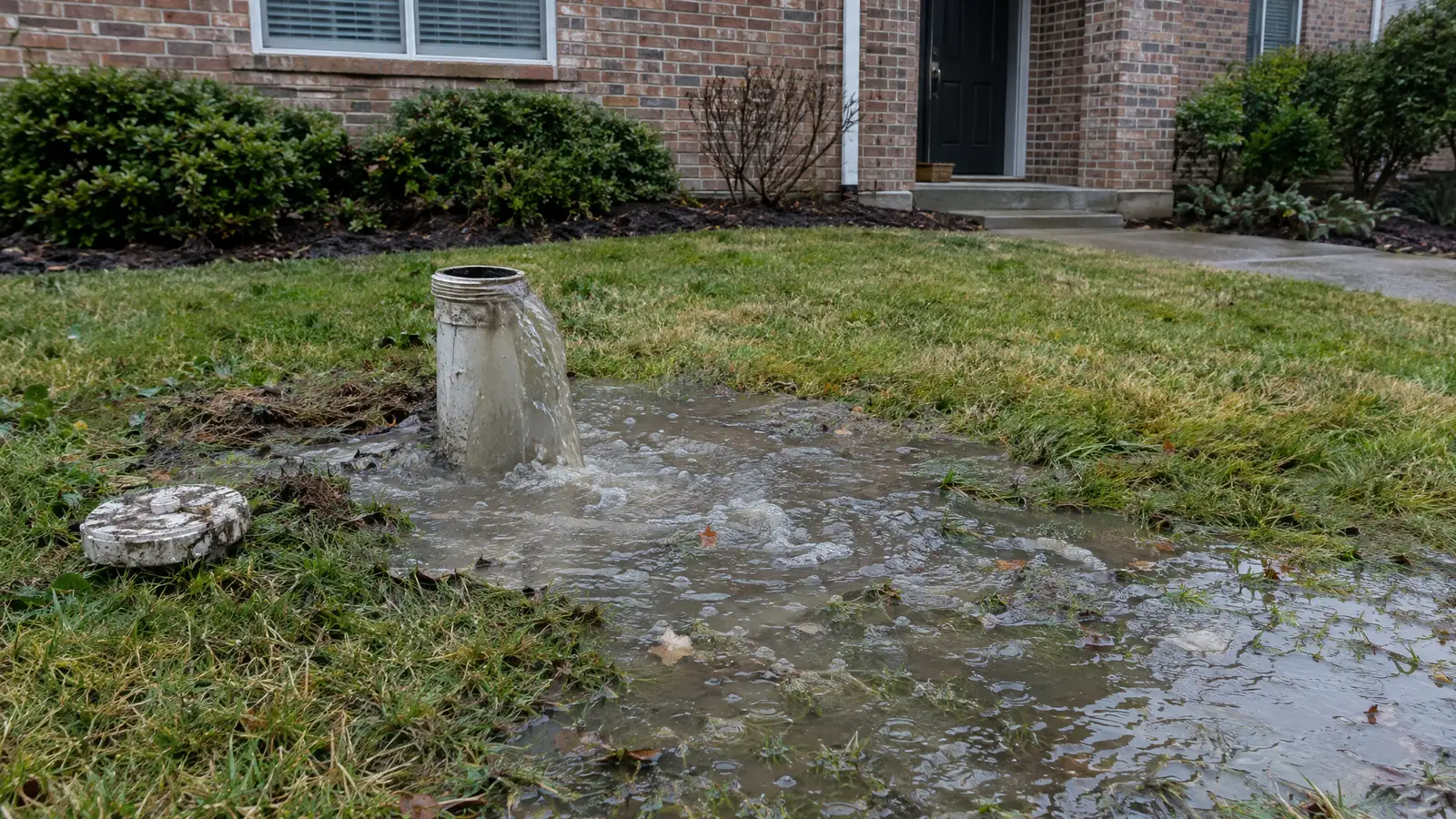
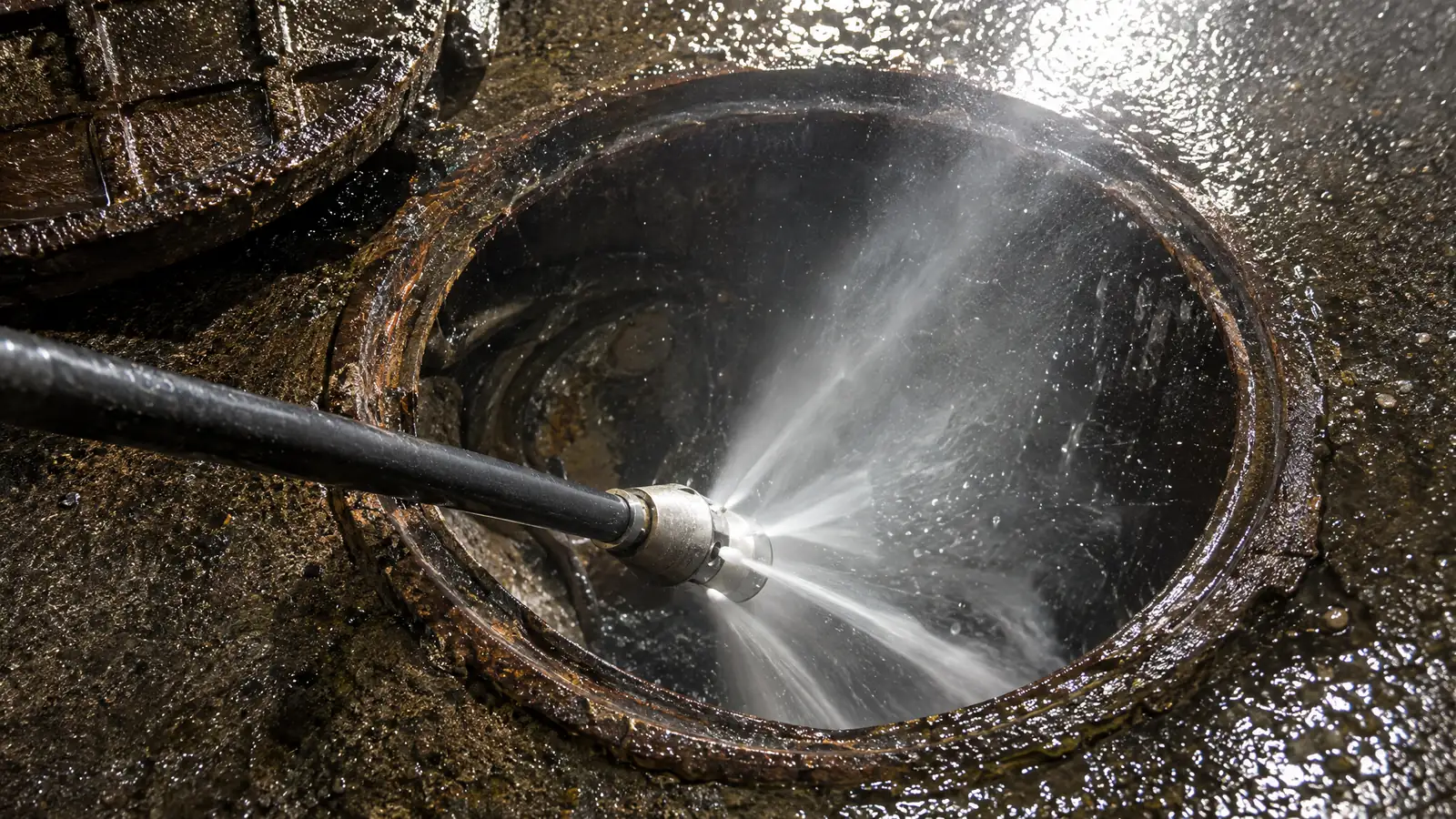
If the line is backed up and the cleanout is full of water, leave the cap on. Opening it will release wastewater. If it is not full, a plumber opens it safely and clears the line from there.
Do not open a cap you cannot close again, and never try to force a stuck cap, which may break the fitting.
If you have none
A home without a cleanout can still be cleared, but through a toilet or a roof vent, which takes more time and has more risk. Installing a proper cleanout is often a good investment.
It makes every future clog and every camera inspection easier.
Quick answers
Can I open it myself?
If the line is not backed up, a cleanout can be opened with the right wrench. If it is full, call a plumber.
Why is mine buried?
Landscaping can cover it. Marking it with a small flag or cover helps.
Need help with this right now?
Call (615) 952-0844 any hour, or send the form below. If you smell gas, leave and call 911 and your gas utility first.