Key takeaways
- A cable opens a hole through a clog
- Hydro-jetting scours the whole pipe wall
- Jetting suits grease, silt and scale
- A camera shows which is needed
How a cable machine works
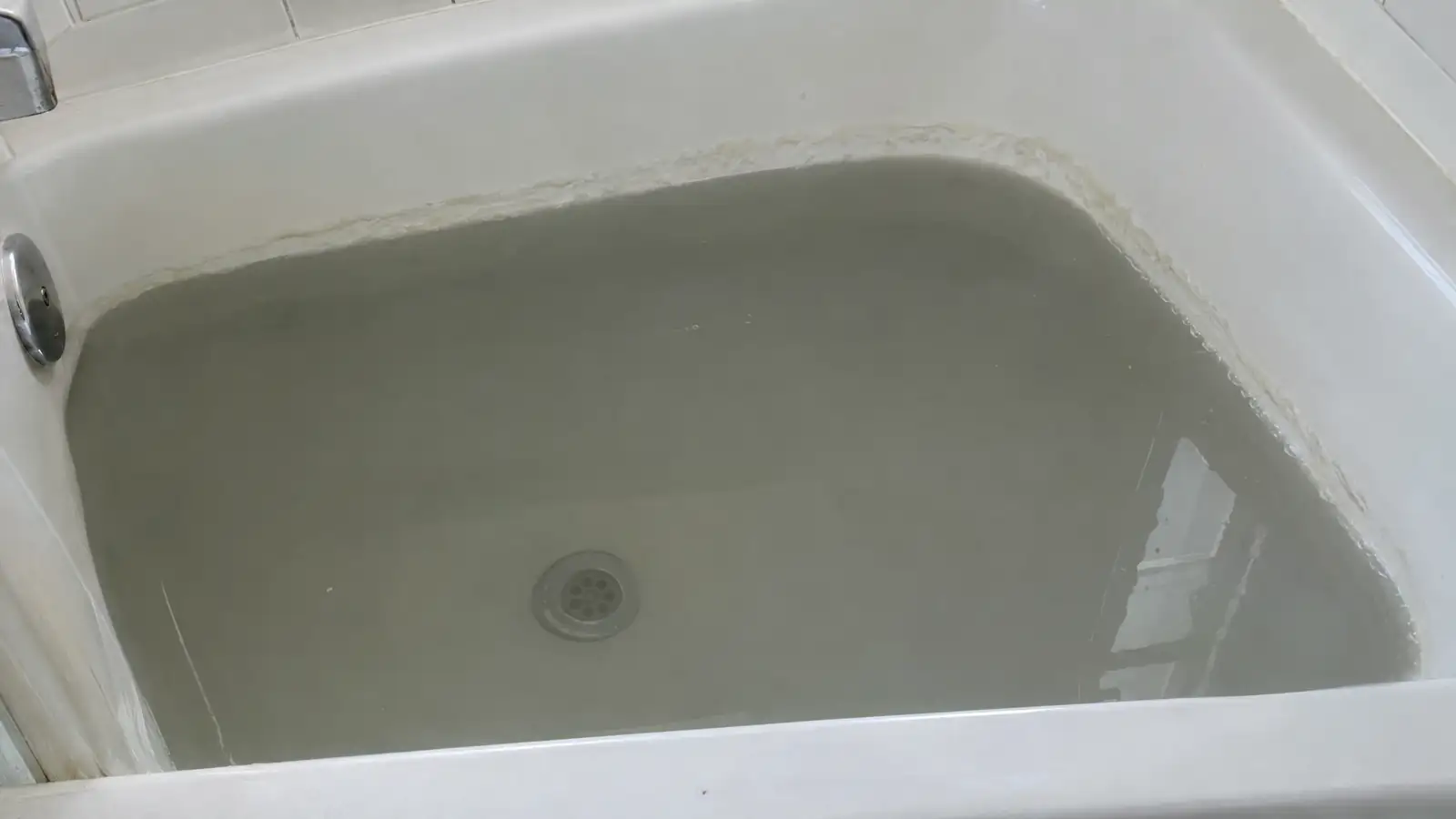
A drain cable has a spinning head that cuts through a clog and pulls it out. It is quick and effective for many blockages, from hair and soap to a lump of roots.
It leaves the pipe wall mostly as it found it. A thin hole through a thick layer of grease may flow for a while and then close again.
How hydro-jetting works
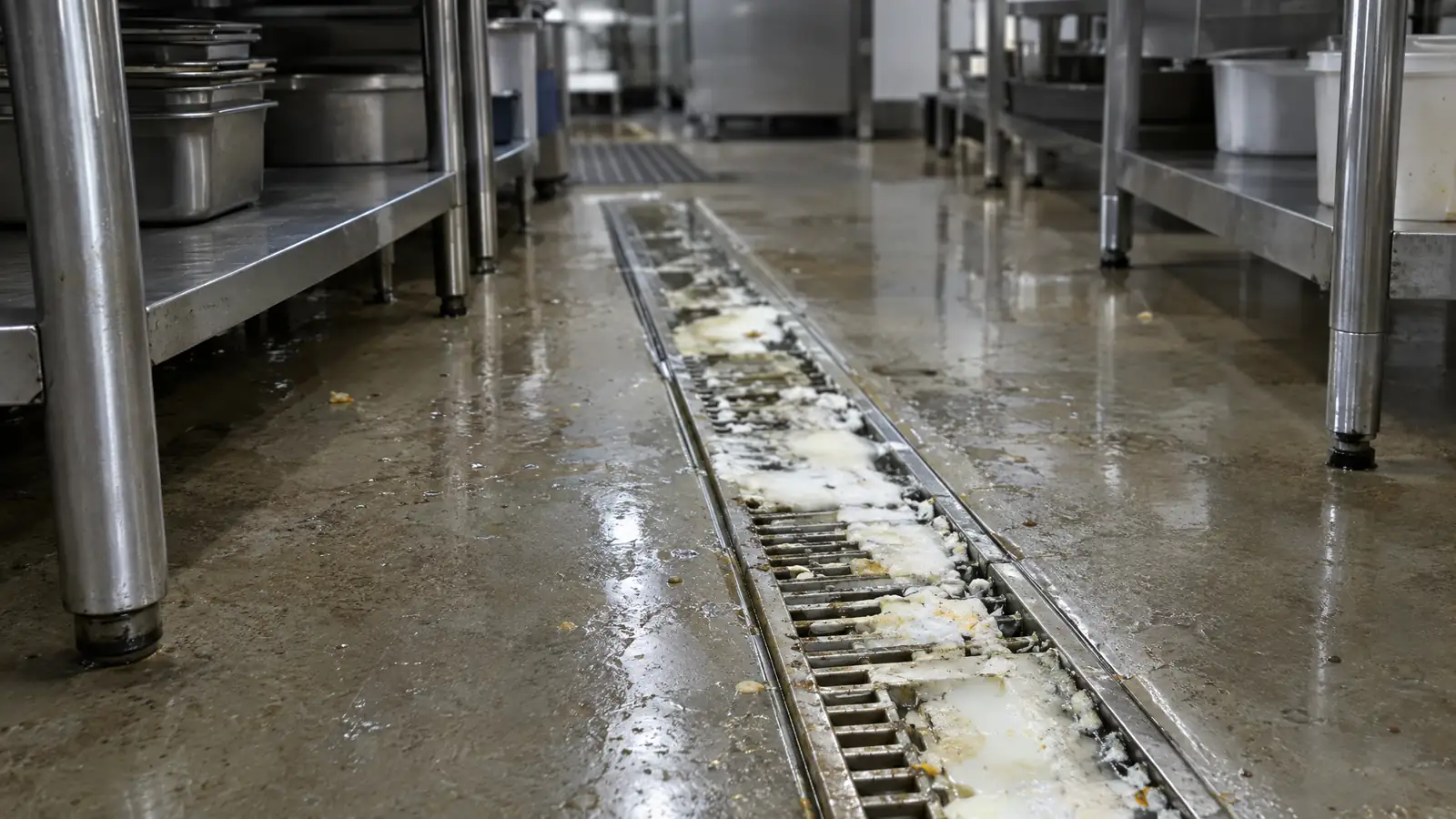
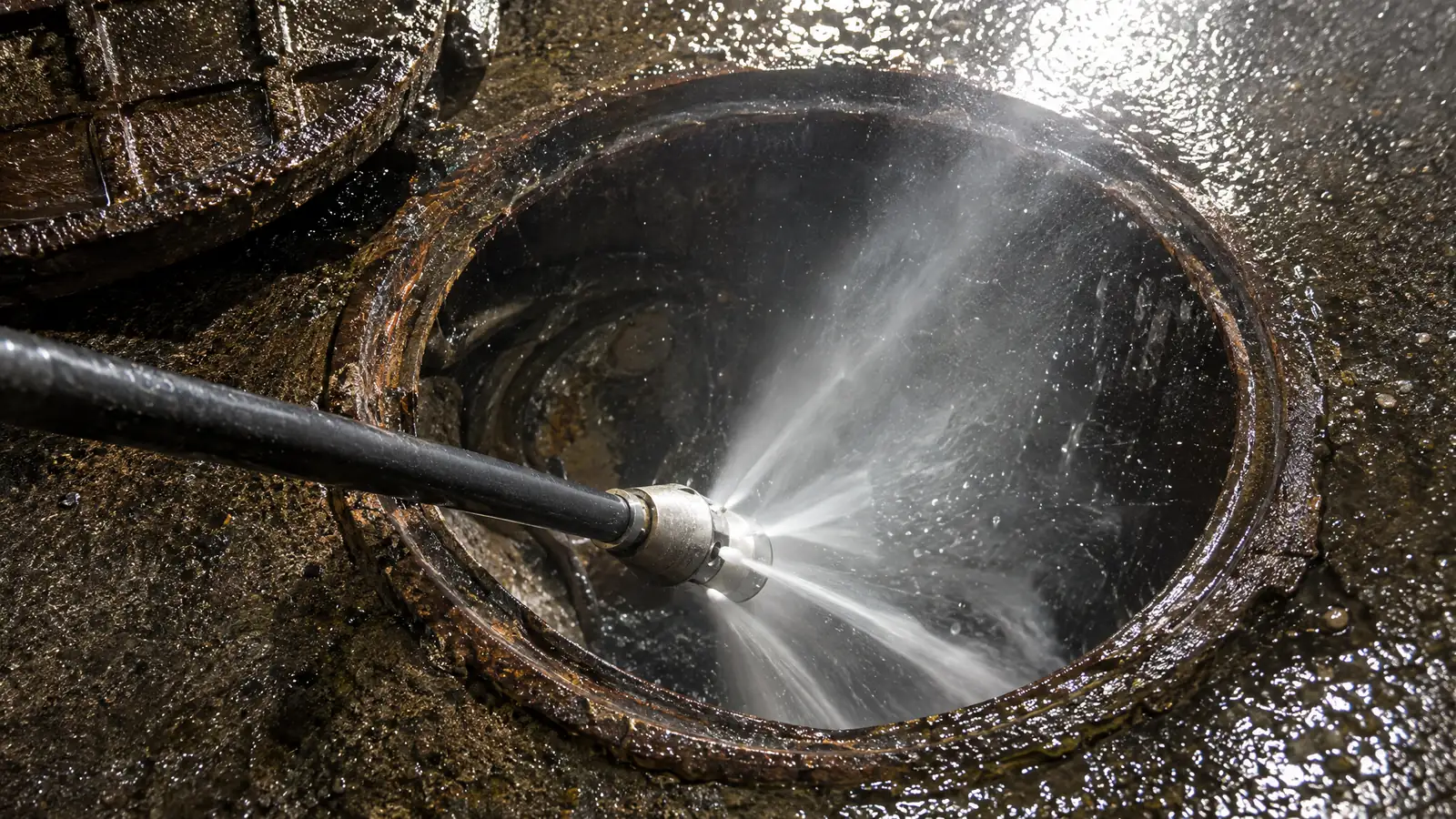
A jet nozzle on a hose sends water at high pressure forward and backward, scouring the pipe wall. Grease, silt, scale and some roots are flushed out in one pass.
It is the right tool for dense buildup, for a clog that keeps returning and for restaurants and long runs.
Is jetting safe for old pipes?
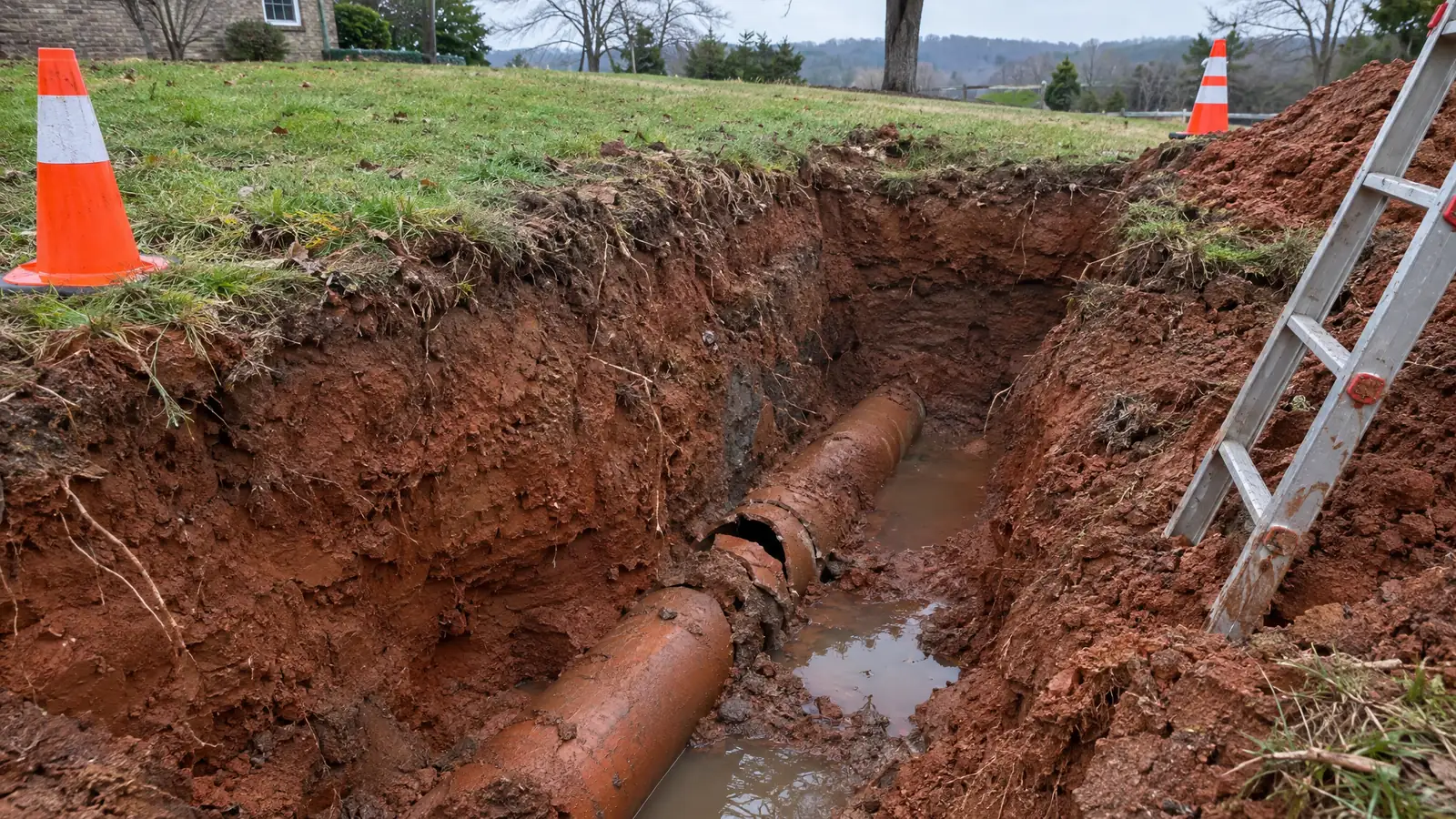
Pressure and nozzle choice matter. Jetting is a standard method, but a fragile or damaged pipe needs care. That is why a camera before jetting is a good idea, and why we choose pressure to suit the pipe.
We say so if jetting is not advisable for a line.
How to choose
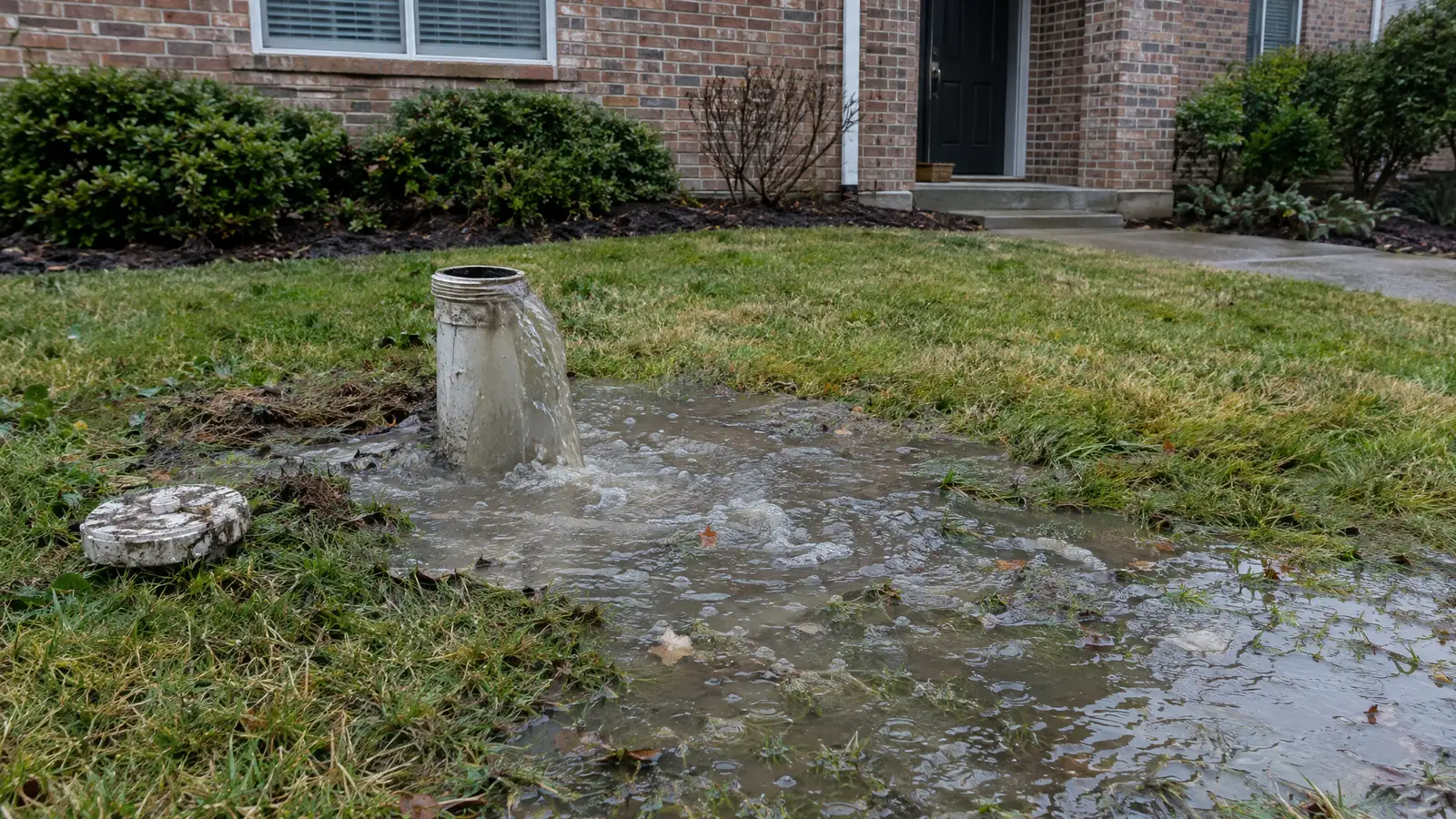
A single, simple clog: a cable is usually enough. A recurring clog, heavy grease or scale or a long, old line: ask about jetting. If you are not sure, a camera shows the pipe and takes the guesswork out.
Whichever is used, it is worth confirming that the line is clear afterward.
Quick answers
Which is cheaper?
A cable is often less expensive for a simple clog. Jetting costs more but can prevent repeats. We discuss the options before work.
Does jetting damage pipes?
Not when done correctly on a sound pipe. A camera helps us decide.
Need help with this right now?
Call (615) 952-0844 any hour, or send the form below. If you smell gas, leave and call 911 and your gas utility first.