Key takeaways
- Two or more fixtures affected points to the main line or a shared branch
- The lowest fixtures show it first
- Gurgling can mean air is trapped behind a blockage
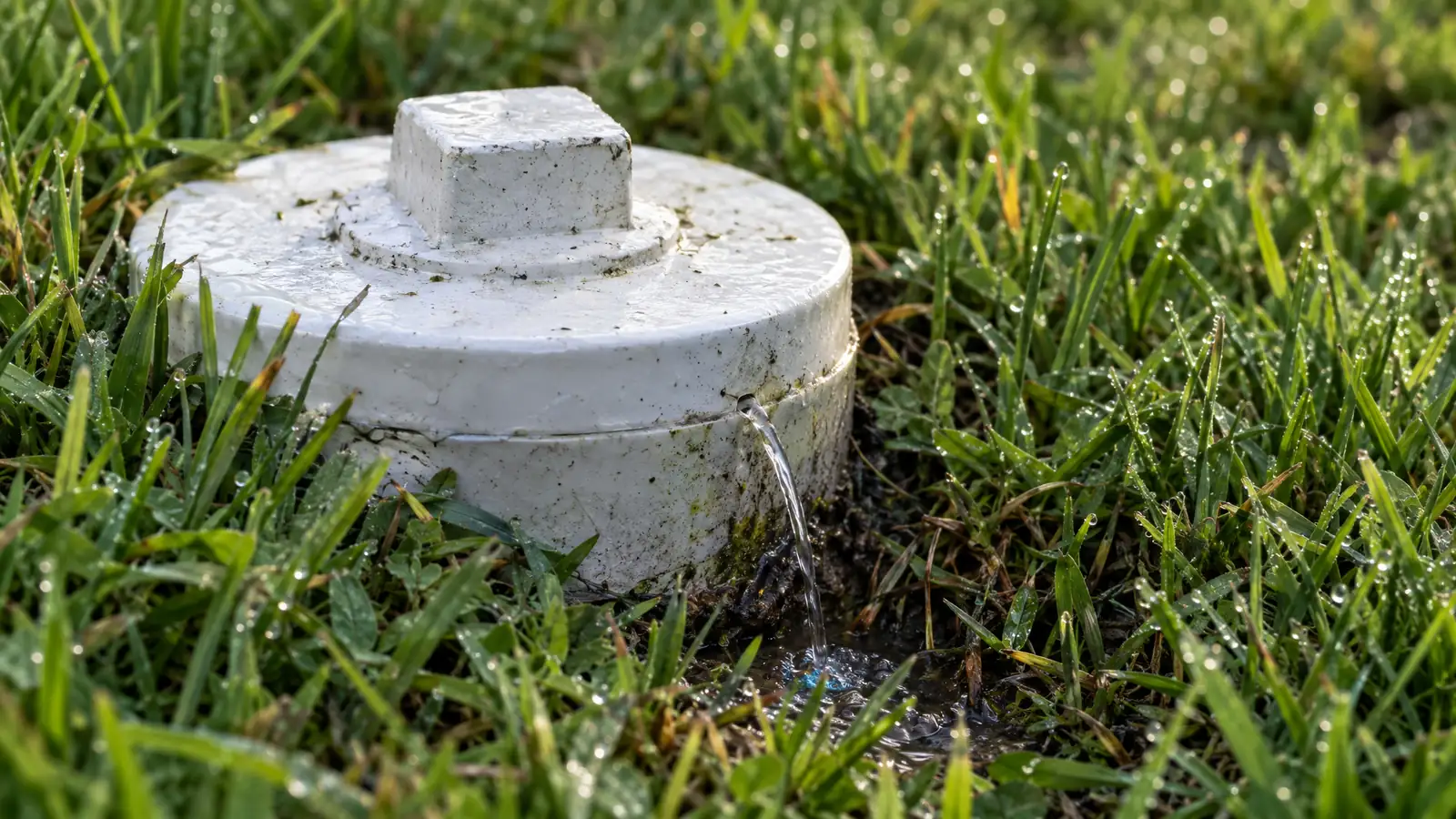
- A cleanout shows where the flow stops
One drain or the whole house
If only the kitchen sink is slow, the clog is probably in its own branch. If the shower, the toilet and the washer all misbehave together, the problem is downstream of all of them, in the main line.
The Backup Cause Finder asks which fixtures are affected and gives you a quick read.
The tell-tale signs
Water backing up into a basement shower or floor drain when you flush a toilet upstairs. A toilet that bubbles when the washing machine drains. Several drains slowing at the same time. A sewer smell in a bathroom or basement.
These patterns appear because water takes the easiest route out, and the lowest openings are the first to overflow.
Why it happens
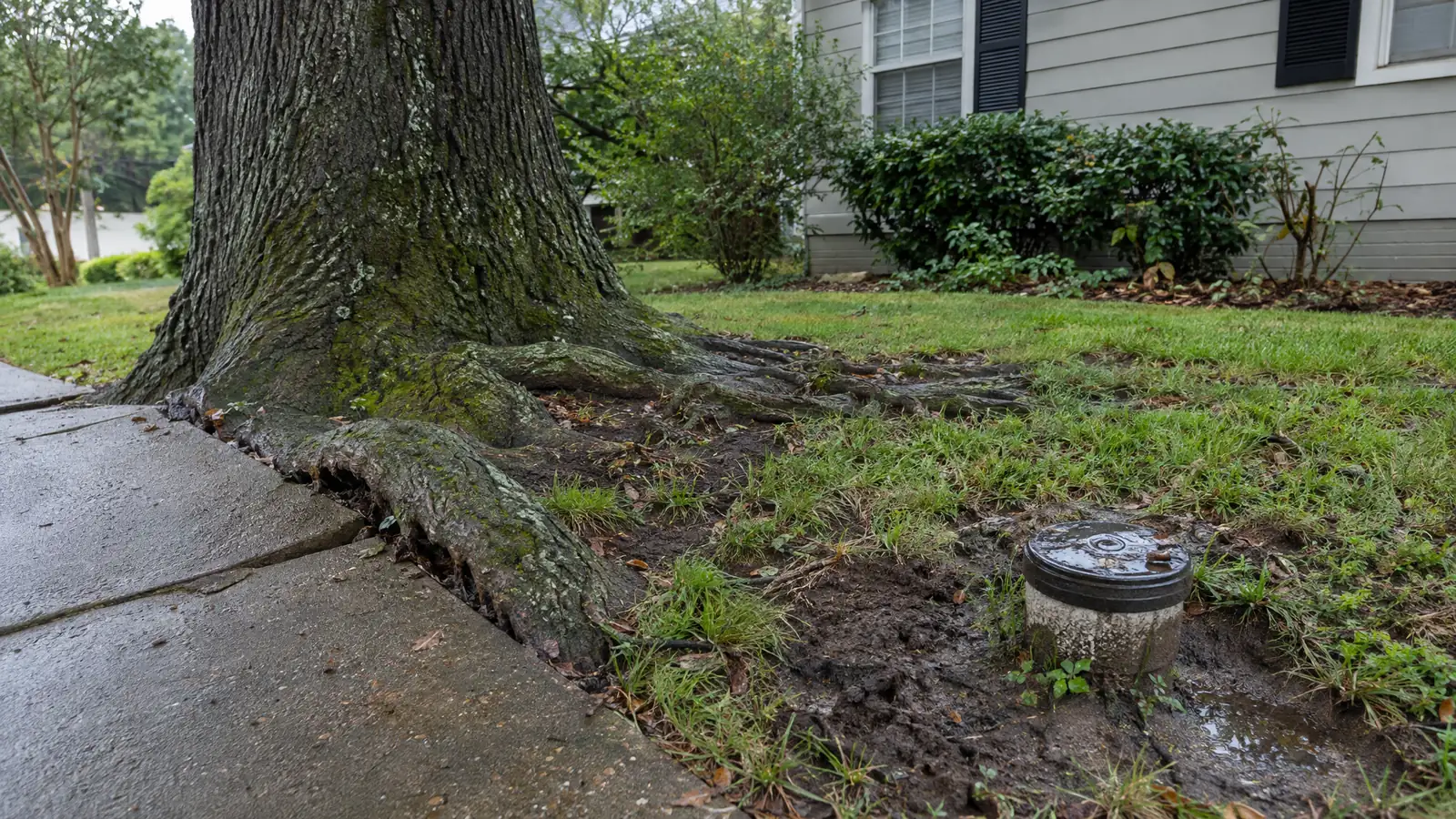
The usual causes are tree roots, grease and non-flushable items, a sag in the pipe that collects solids and a damaged or collapsed section. Old clay and cast iron pipes are more prone to roots and scale than newer plastic.
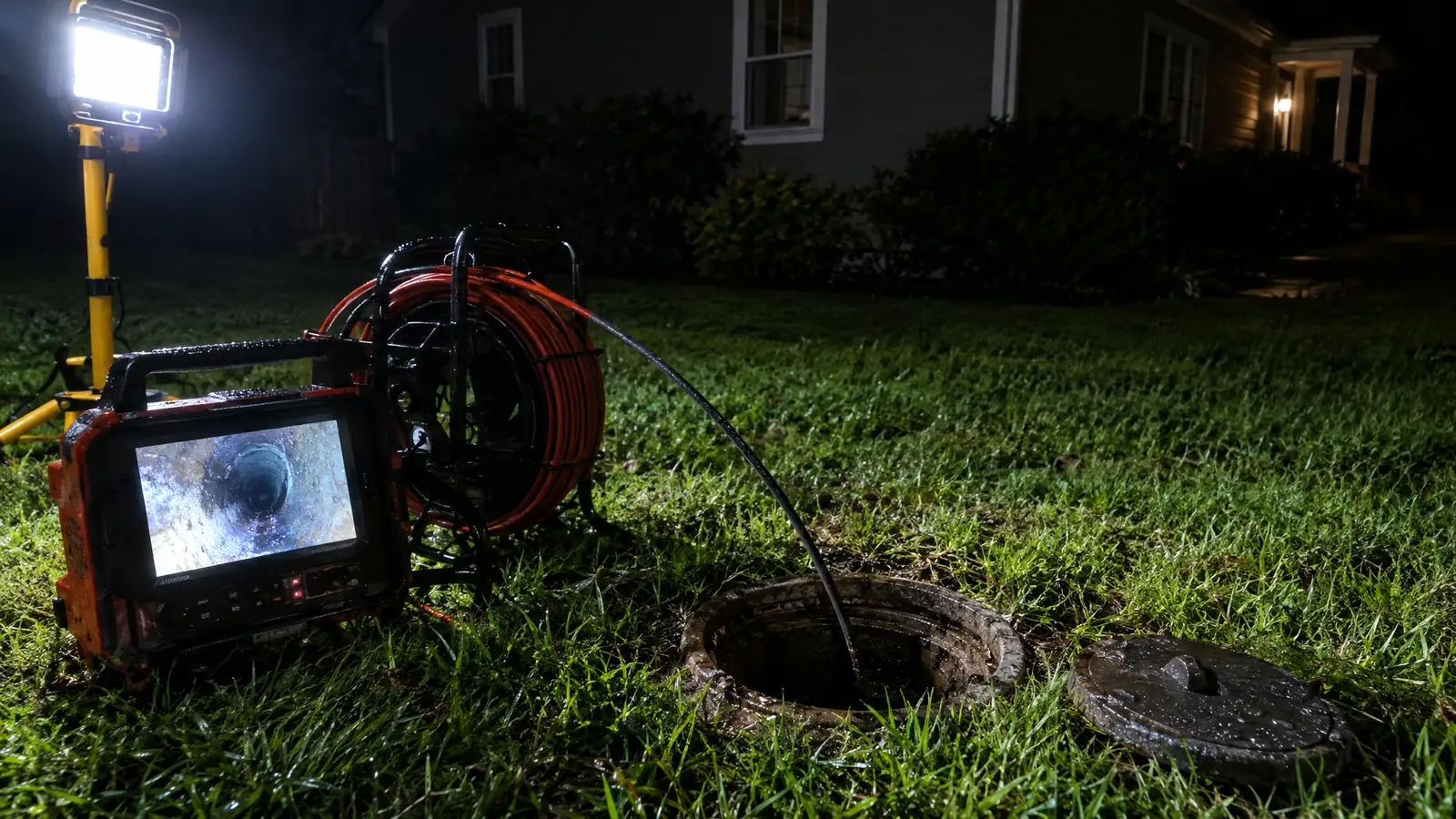
A camera inspection shows which it is and whether the pipe needs repair.
What to do
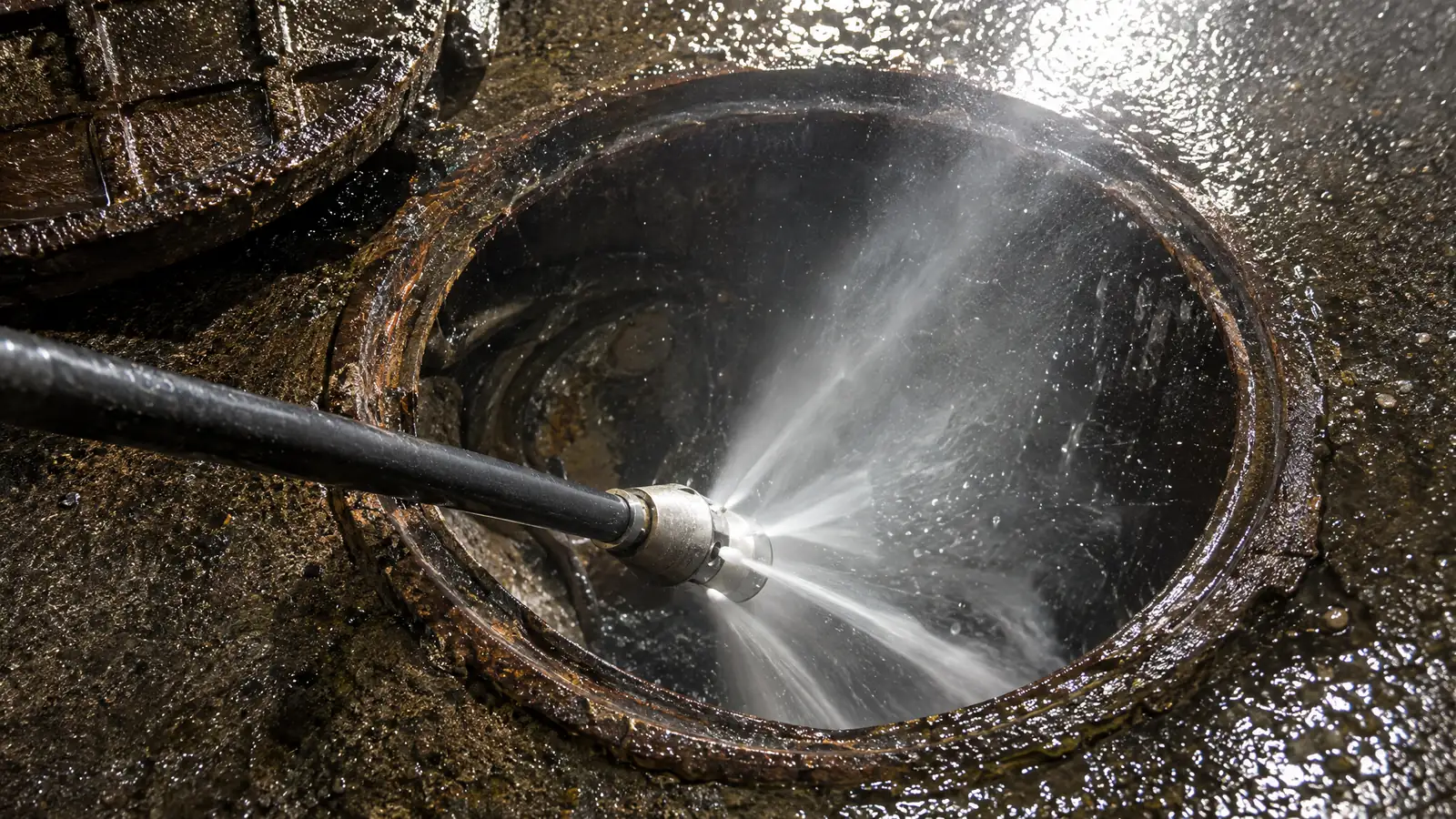
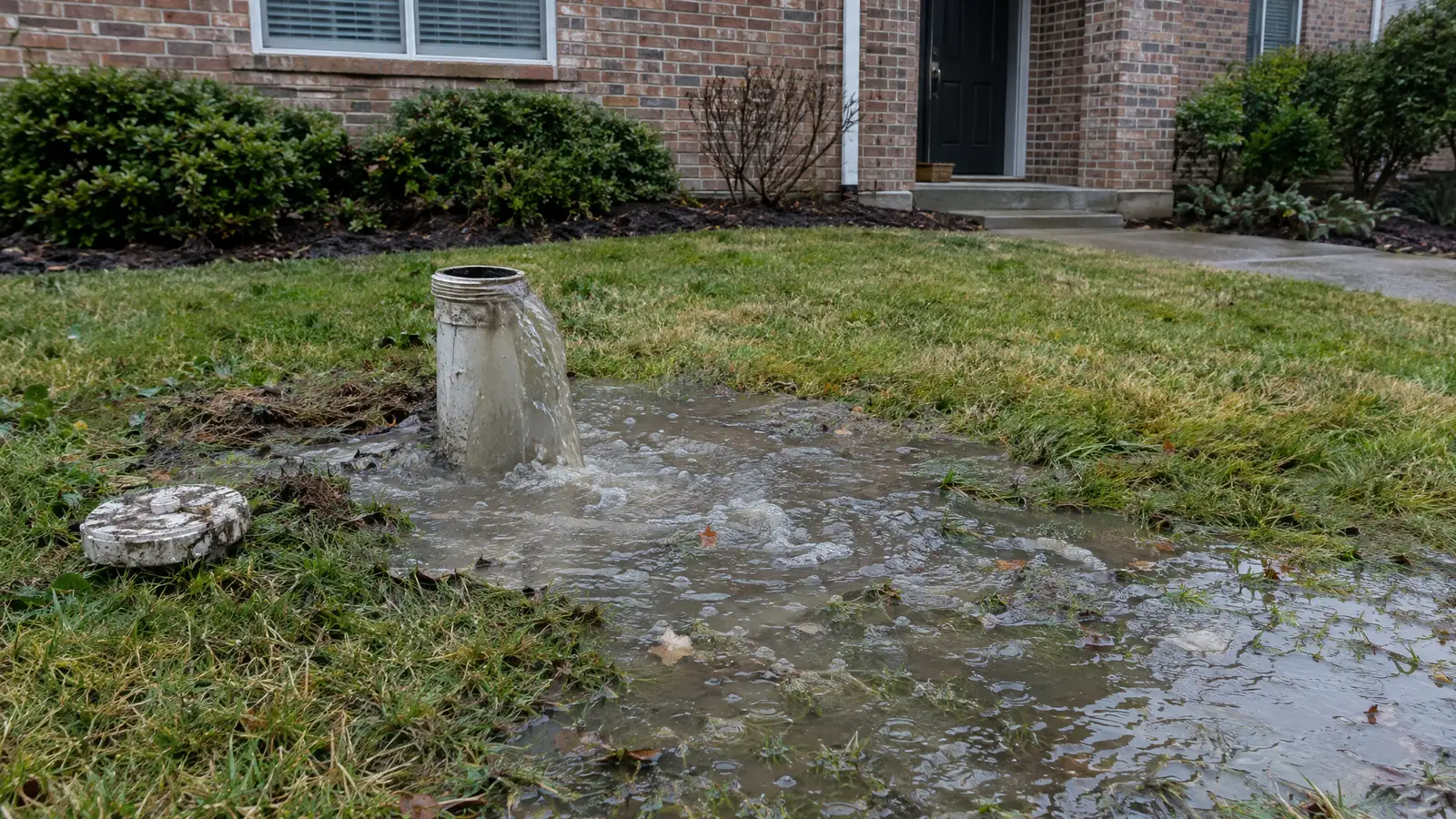
Stop using water and call. Locate the cleanout if you can, but do not open it if the line is full. A plumber clears the line from the cleanout and, ideally, runs a camera to see the pipe.
If it happens more than once, ask for a camera. A recurring main-line clog usually has a cause worth fixing.
Quick answers
Can I clear a main line myself?
Some homeowners rent a machine, but a main line is long and it is easy to damage the pipe or miss the real cause. A professional can also camera the line.
Will it come back?
It may if roots or a damaged pipe caused it. The camera view tells you.
Need help with this right now?
Call (615) 952-0844 any hour, or send the form below. If you smell gas, leave and call 911 and your gas utility first.