Key takeaways
- Hoses age and burst under pressure
- Check for bulges, rust and drips at the fittings
- Turn off the washer valves when you are away
- Replace them every few years or at the first sign of wear
Why hoses fail
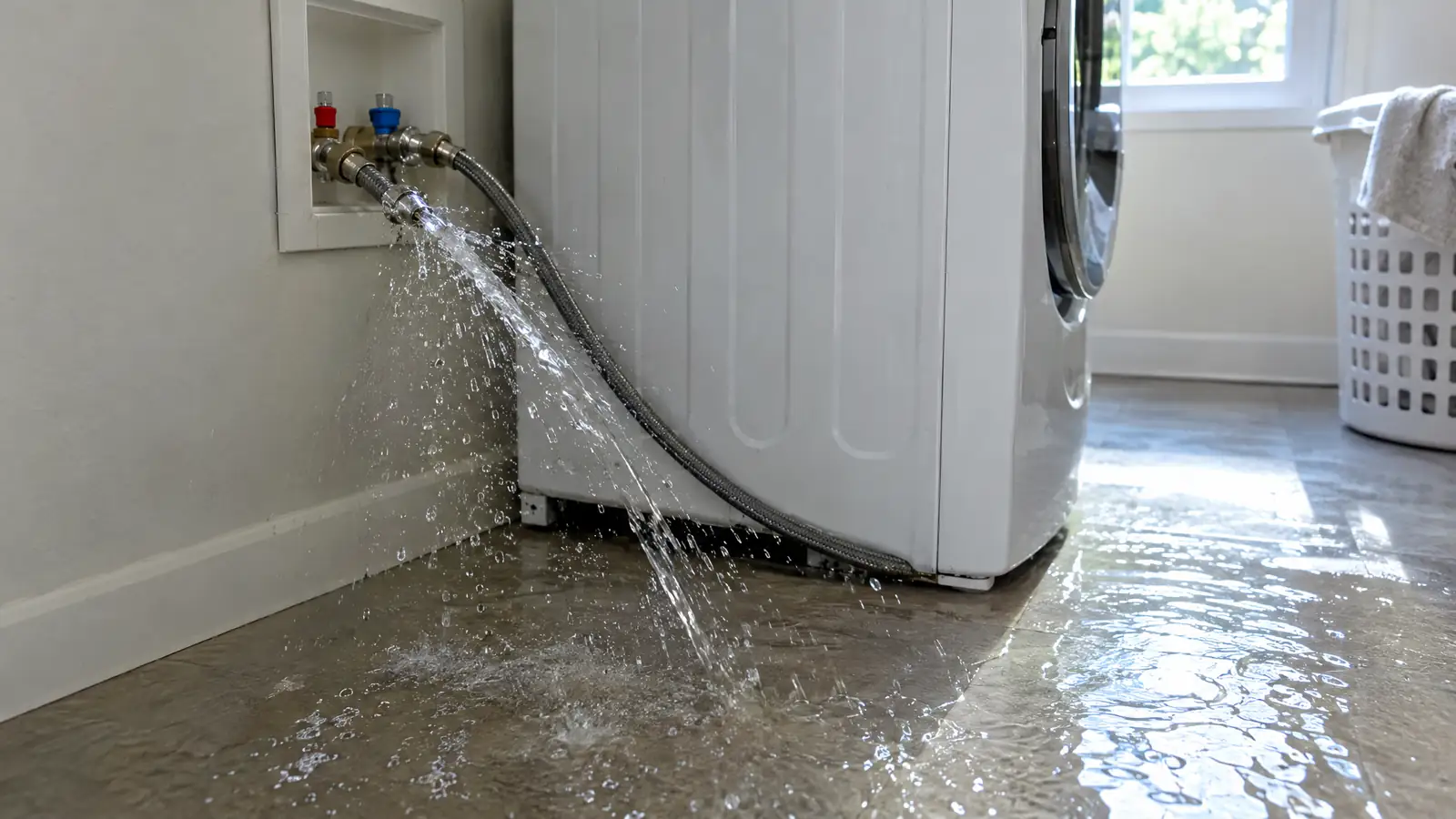
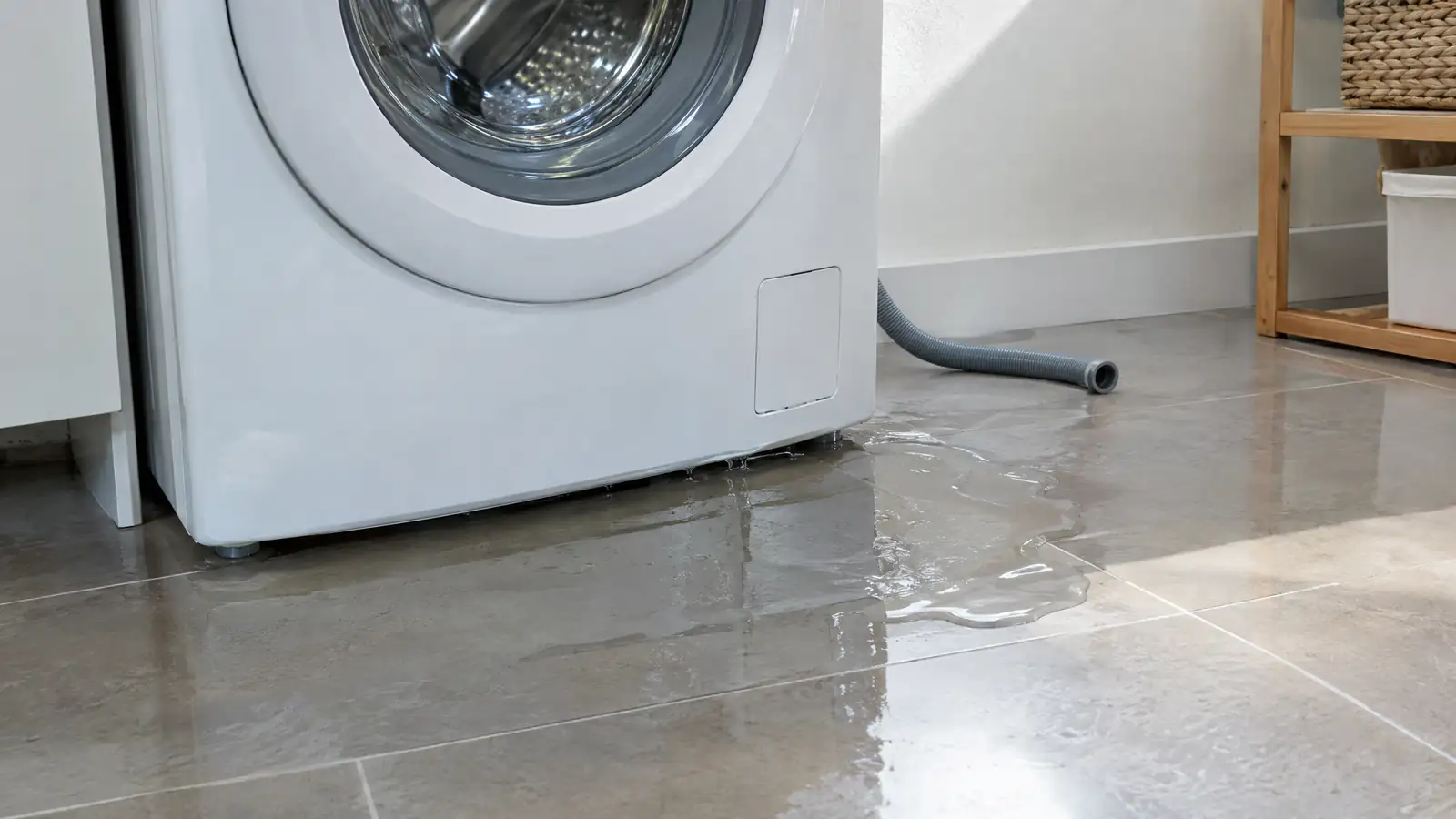
A washer supply hose holds line pressure all the time, even when the machine is off. The rubber ages, the fittings corrode and a hose that has looked fine for years can burst without warning.
When it does, water can run for hours if nobody is home.
What to check
Look for bulges, cracks, rust at the fittings or white mineral crust. Check the date on the hose if there is one. Feel behind the machine for dampness.
Check the drain hose connection and the standpipe, which can overflow if the line is slow.
How to reduce the risk
Replace old hoses with braided stainless steel models and replace them periodically. Turn off the washer valves if you are away for a long time. Consider a shutoff device that closes if it senses a leak.
Make sure the valves themselves work. Seized valves are a common finding.
If it floods
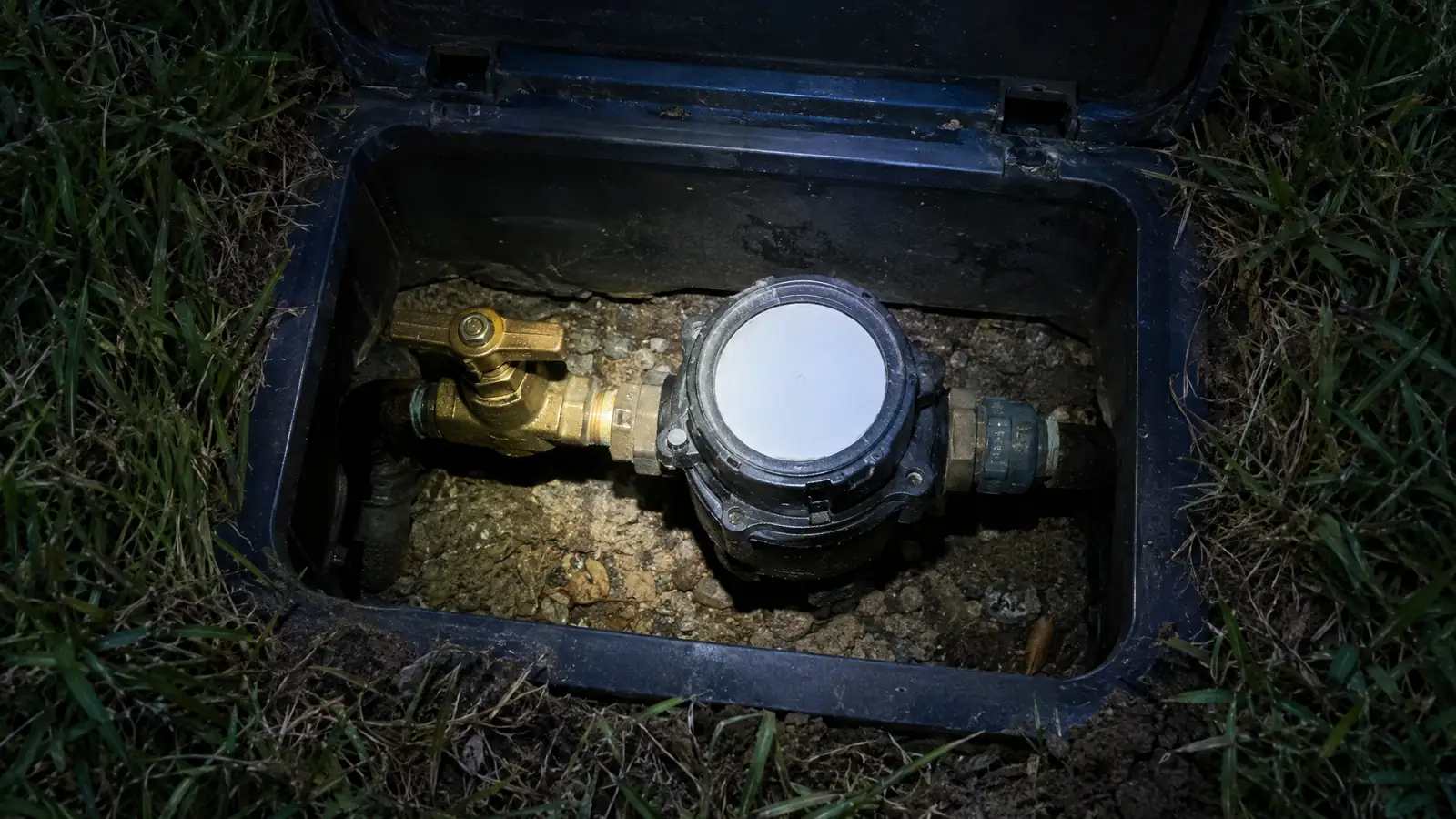
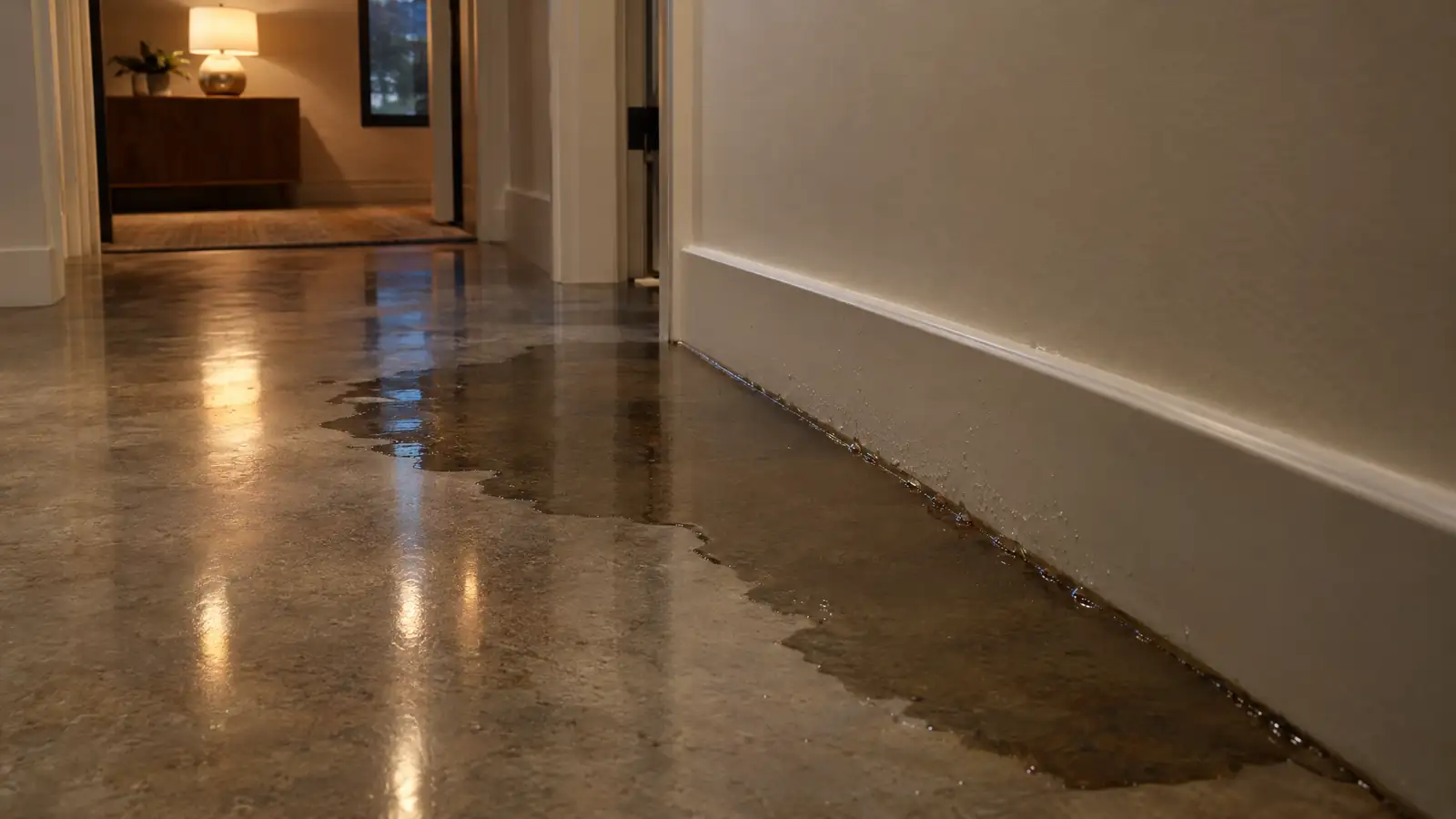
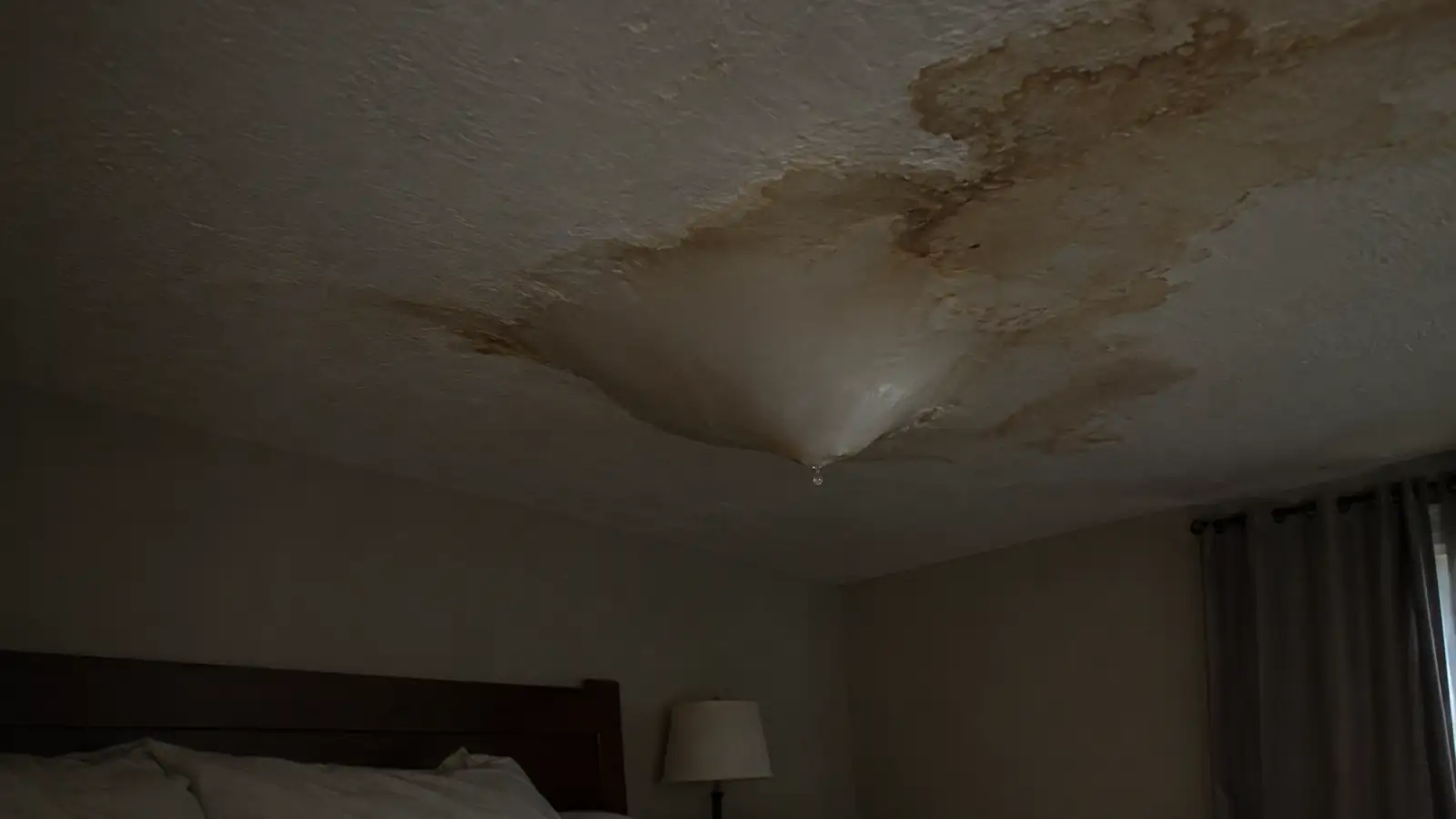
Shut off the valves. If they will not close, shut off the main. Unplug the washer if it is dry to do so. Photograph the damage and call a plumber for the repair and your insurer for the claim.
Dry the floor and any wet drywall quickly.
Quick answers
How often should I replace hoses?
Many manufacturers suggest checking them regularly and replacing them every few years.
Do braided hoses last longer?
They tend to resist bursting better, but they still age.
Need help with this right now?
Call (615) 952-0844 any hour, or send the form below. If you smell gas, leave and call 911 and your gas utility first.