Key takeaways
- Turn off every fixture and watch the meter
- The toilet is the most common silent leaker
- Check irrigation and outdoor lines too
- A professional can pinpoint what you cannot
Start with the meter
Make sure nothing is using water, then look at your meter. Many have a small dial or triangle that spins when water flows. If it moves, you have a leak. Note the reading, wait an hour with no use and check again.
This tells you whether the leak is real and, with a bit more work, which side of the house it is on.
Check the usual suspects
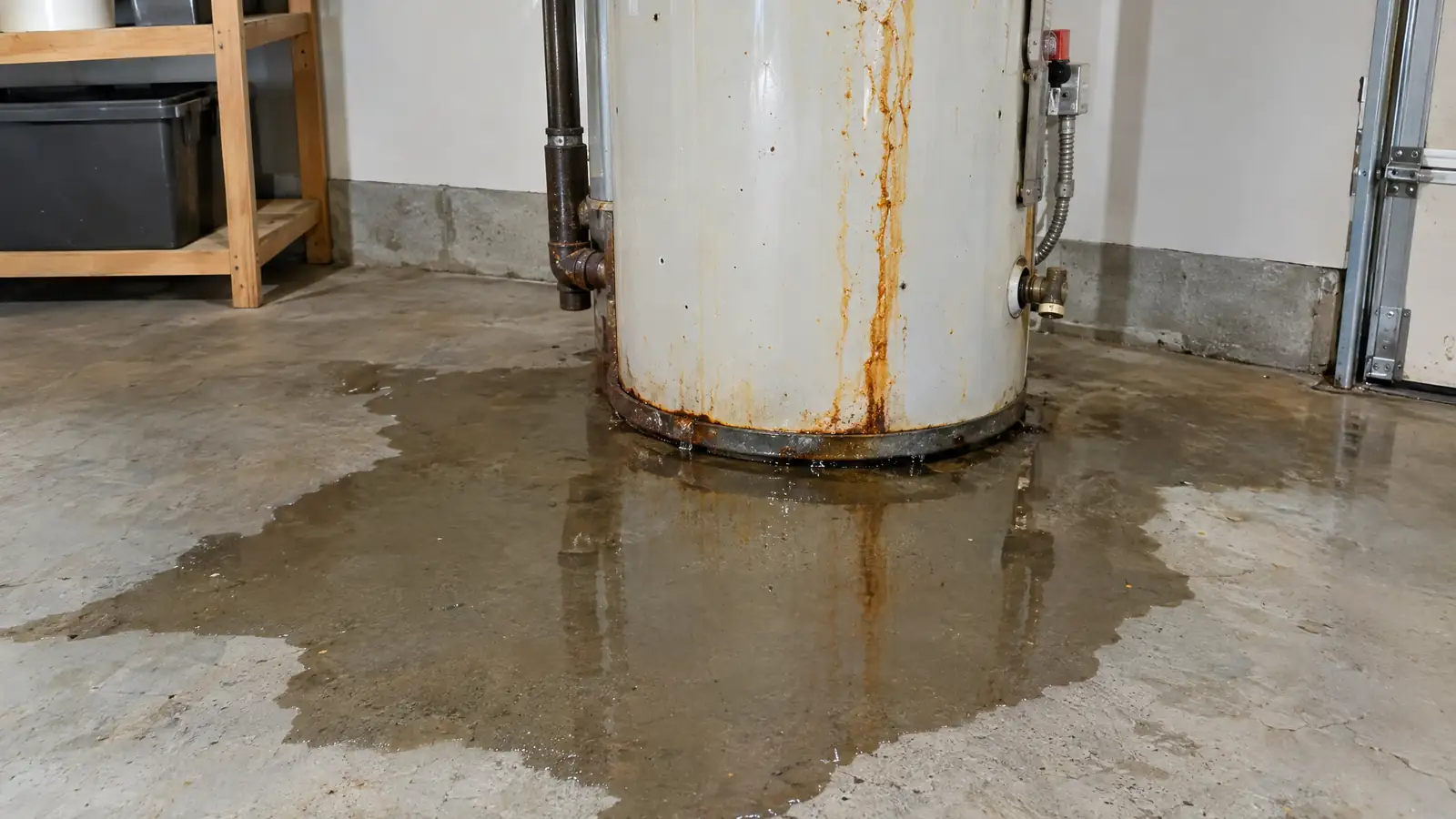
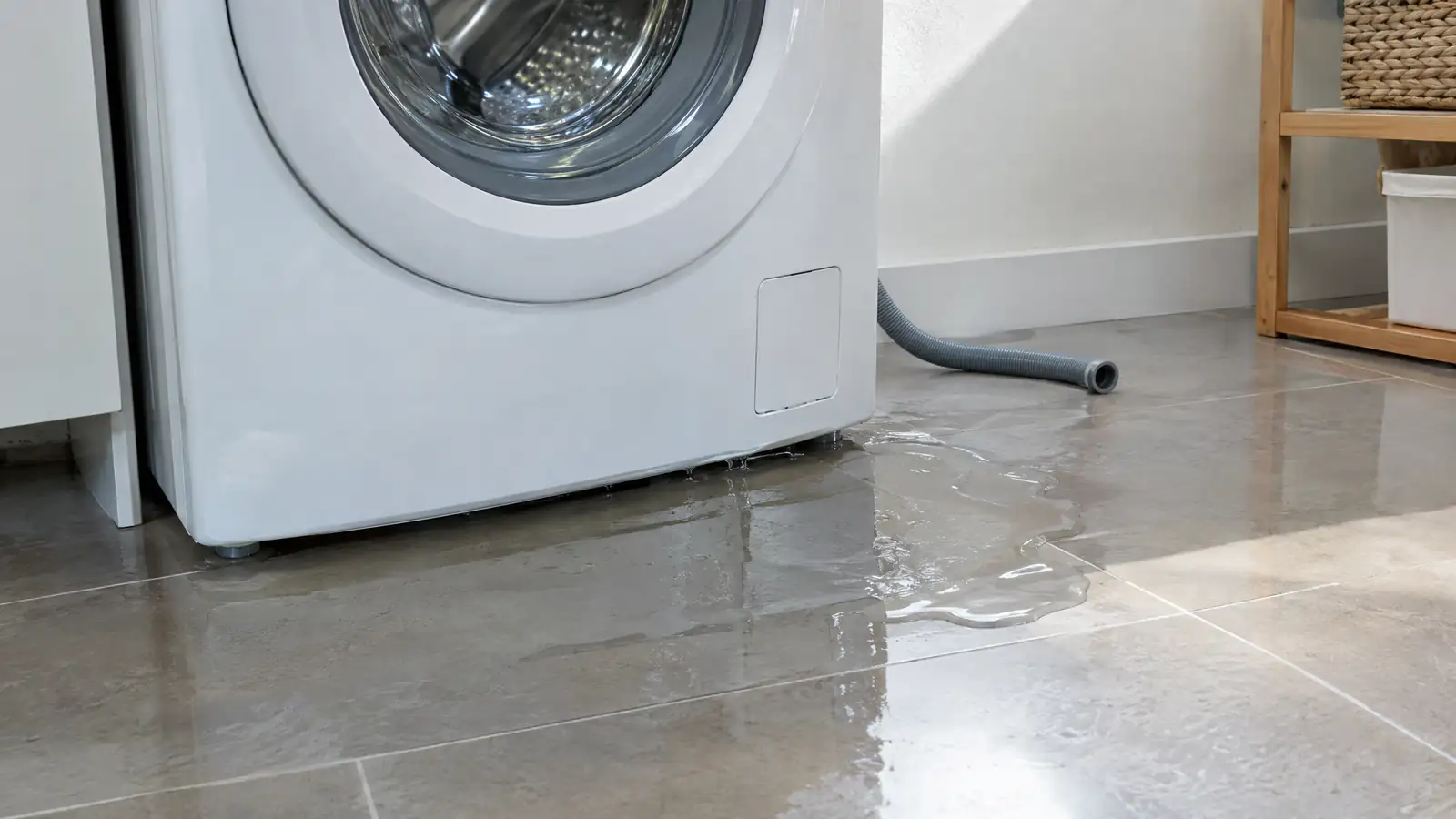
Toilets are the most common silent leak. Drop a little food coloring in the tank and wait without flushing. If color appears in the bowl, the flapper is leaking. Check under sinks, behind appliances and around the water heater.
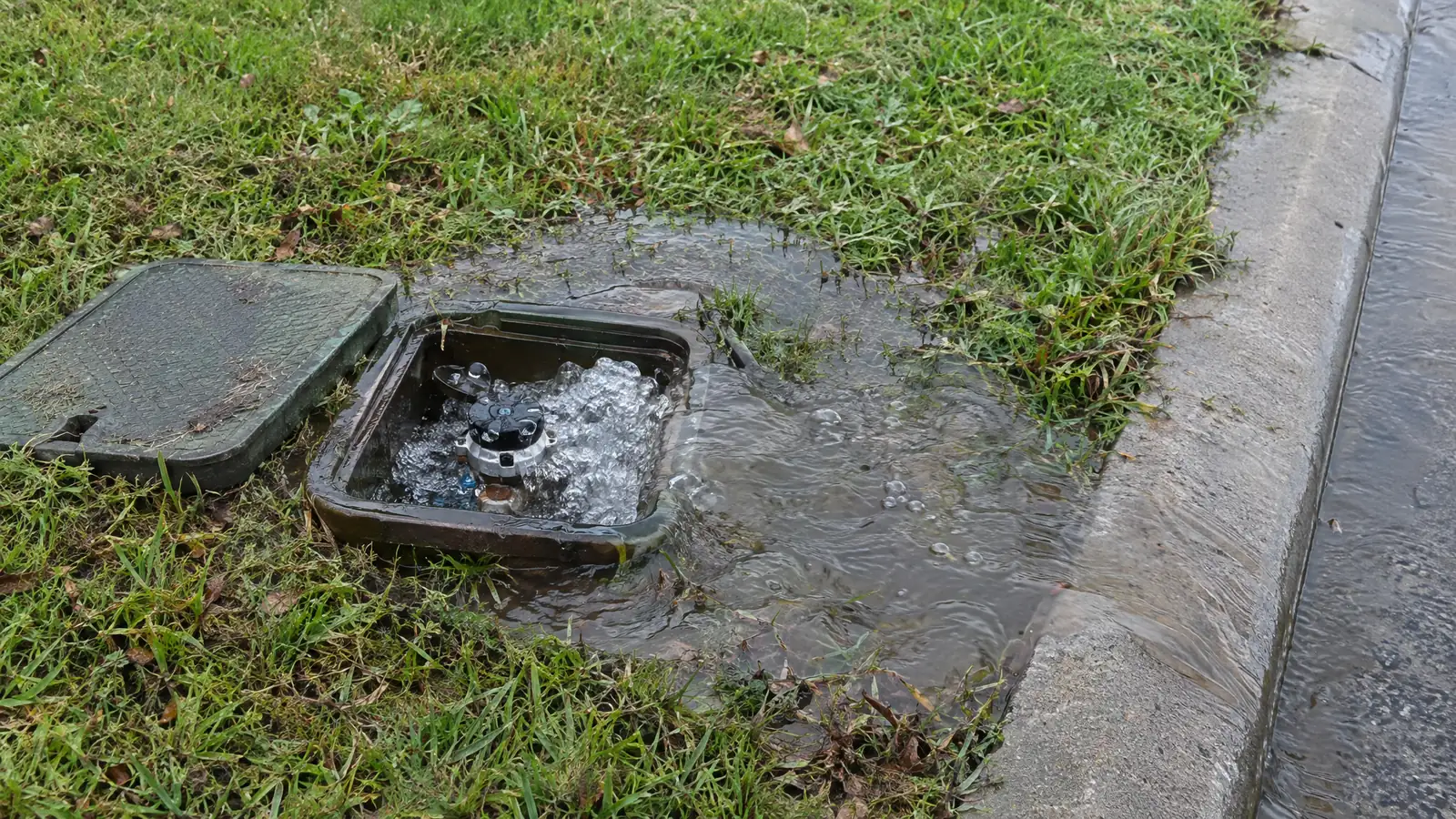
Look outside at hose bibs, irrigation valves and the area between the meter and the house.
Clues in the house
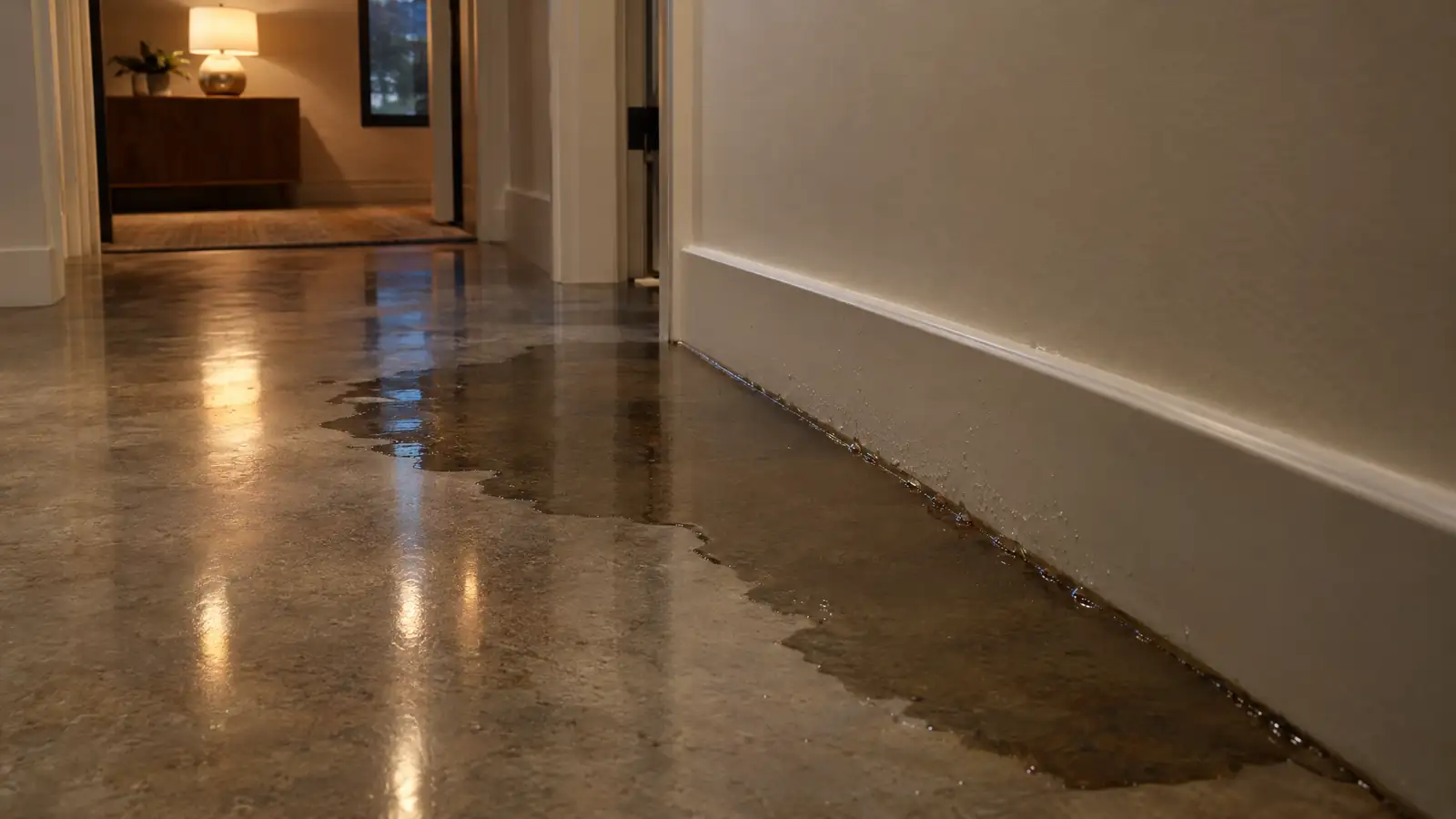
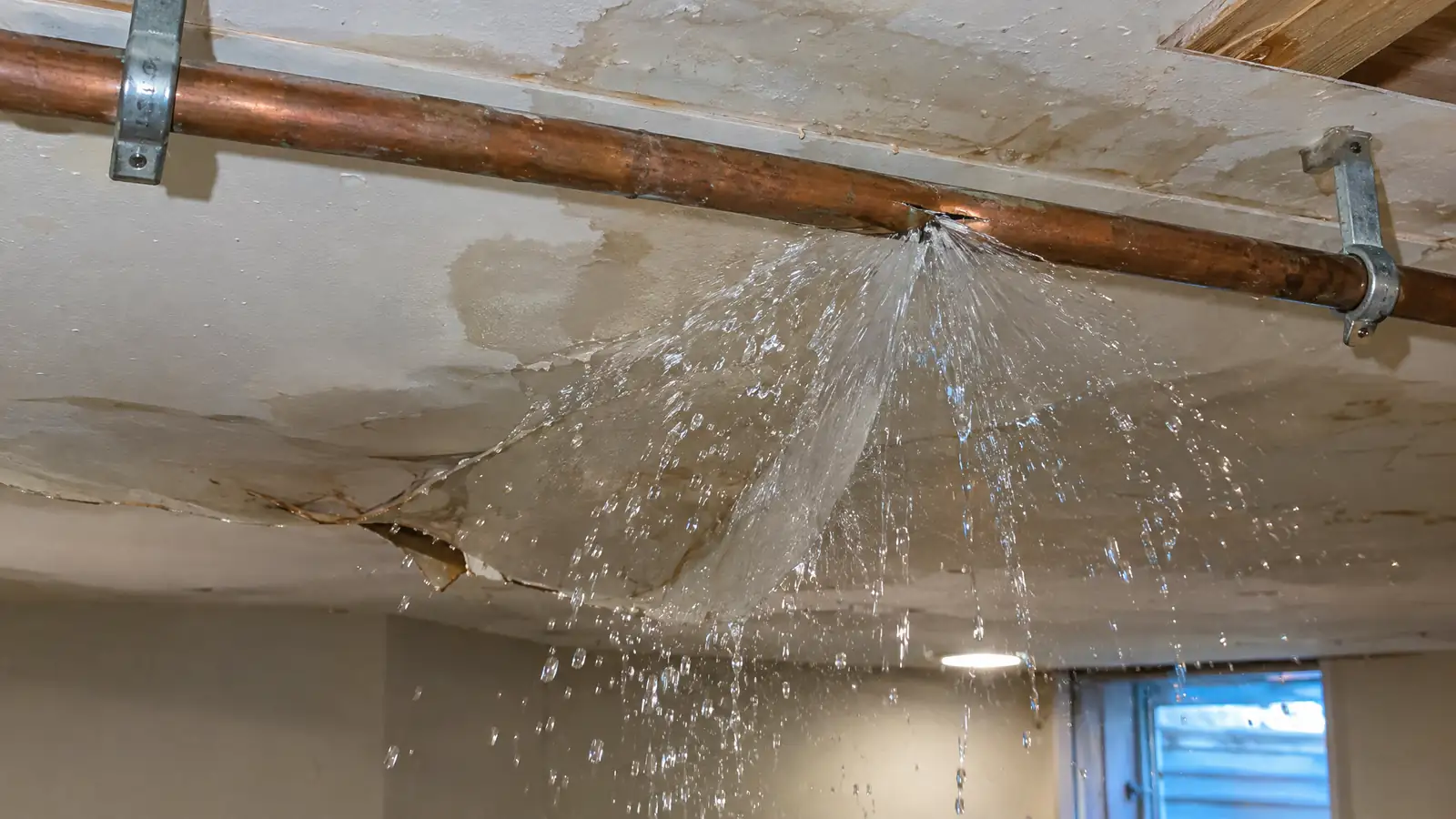
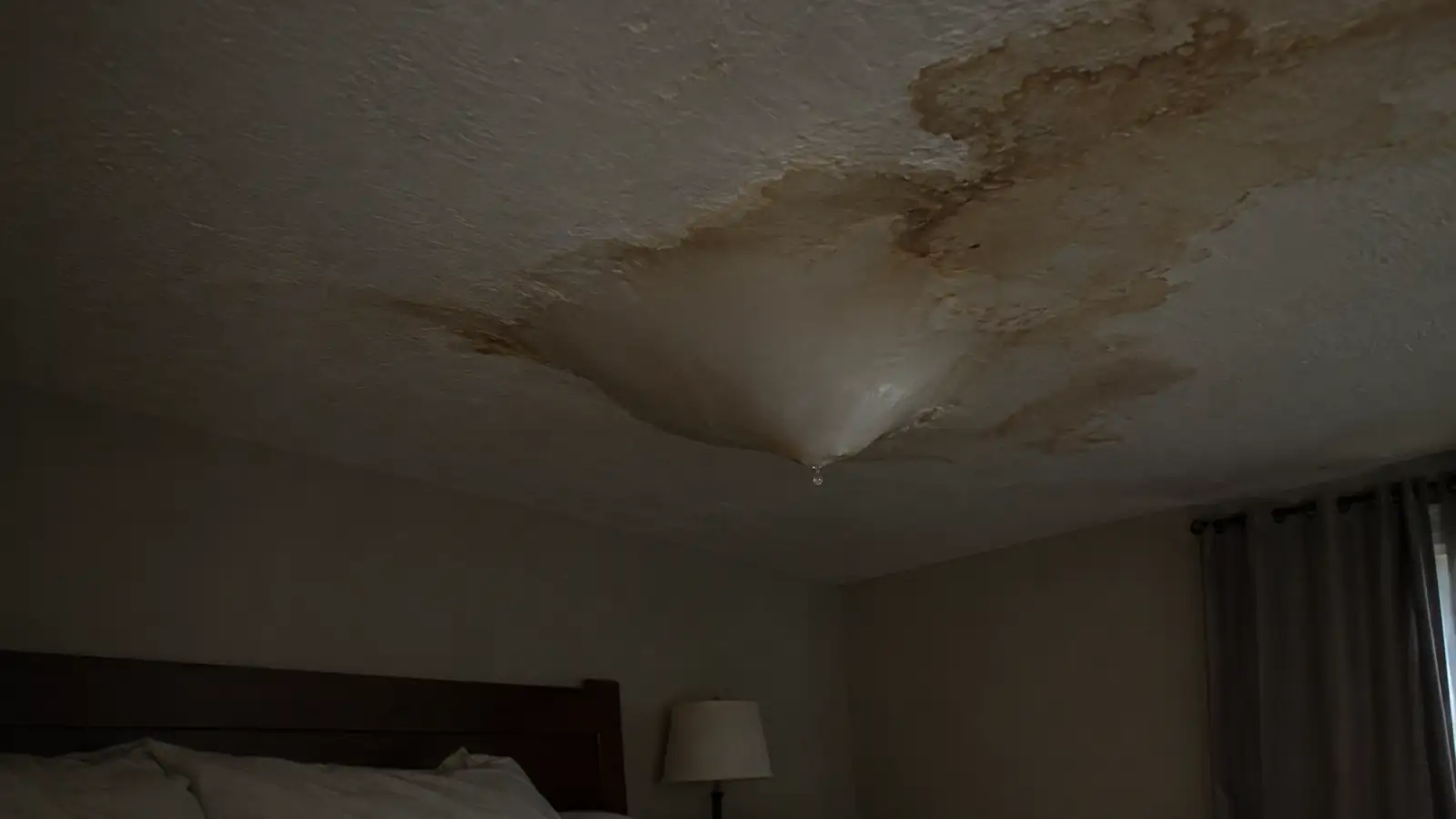
Stains on ceilings or walls, bubbling paint, a musty smell, warm floor spots, a sound of running water or a puddle that comes and goes.
Note where and when you see them. It helps the plumber.
When to call
If you have confirmed a leak but cannot find it, a plumber with listening and locating tools can pinpoint it with minimal damage. It is better than cutting into walls on a guess.
If you suspect a leak under the slab or in a yard line, call before the damage spreads.
Quick answers
Why is my bill high with no visible leak?
A silent toilet leak or an underground line leak is a common cause.
How fast can a small leak waste water?
A steady drip can waste many gallons a day. A running toilet can waste far more.
Need help with this right now?
Call (615) 952-0844 any hour, or send the form below. If you smell gas, leave and call 911 and your gas utility first.