Key takeaways
- A slab leak is a leak in a pipe in or under the concrete floor
- Warm floor spots can mean a hot water leak
- A moving meter with fixtures off confirms a leak
- Locating tools pinpoint it without demolition
What it is
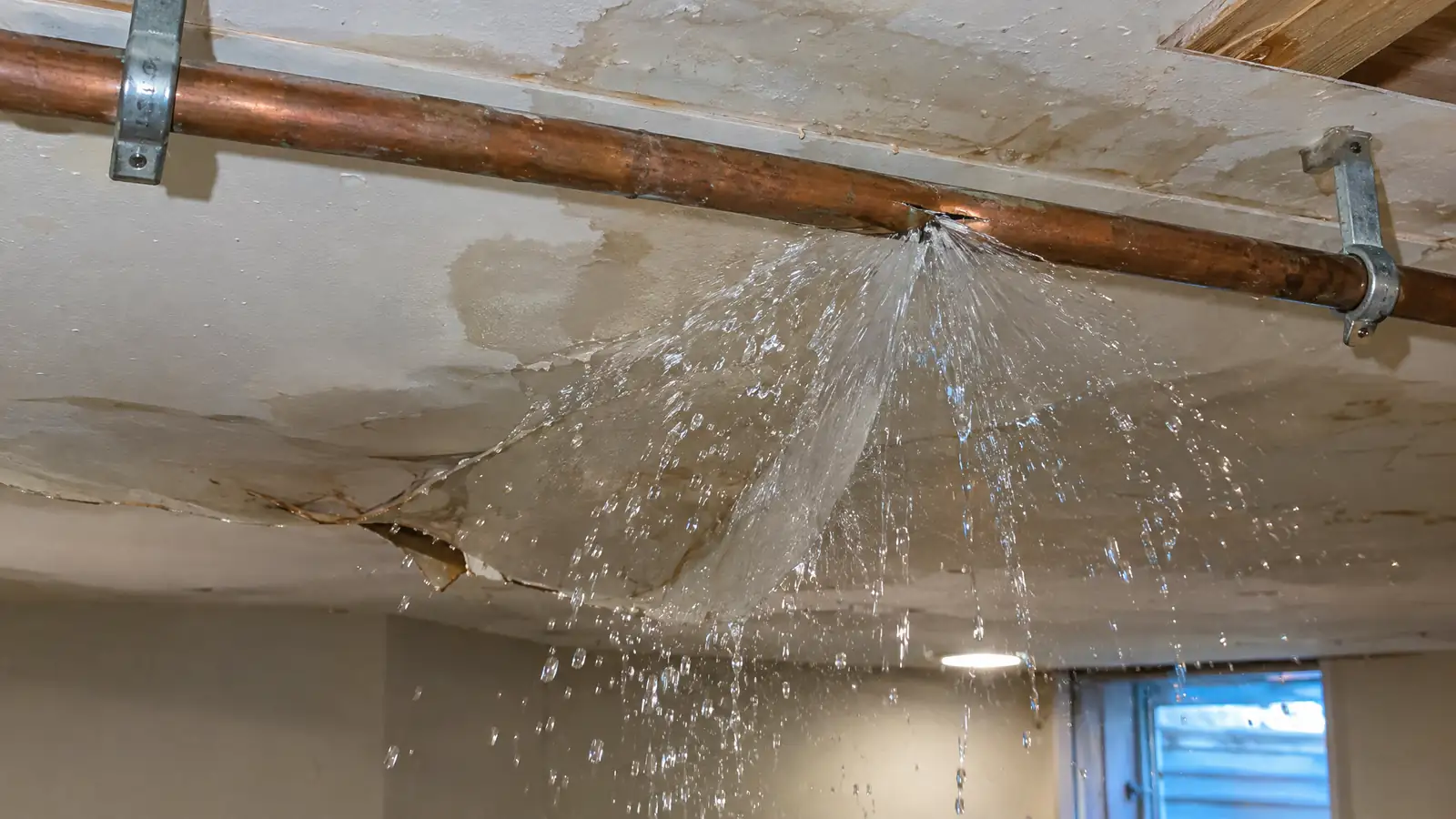
Many homes in the region sit on a concrete slab, with some water lines running through or beneath it. A leak in one of those lines is a slab leak. It is hidden, and it can run a long time before it shows.
The causes include corrosion, shifting ground and poor installation.
The signs
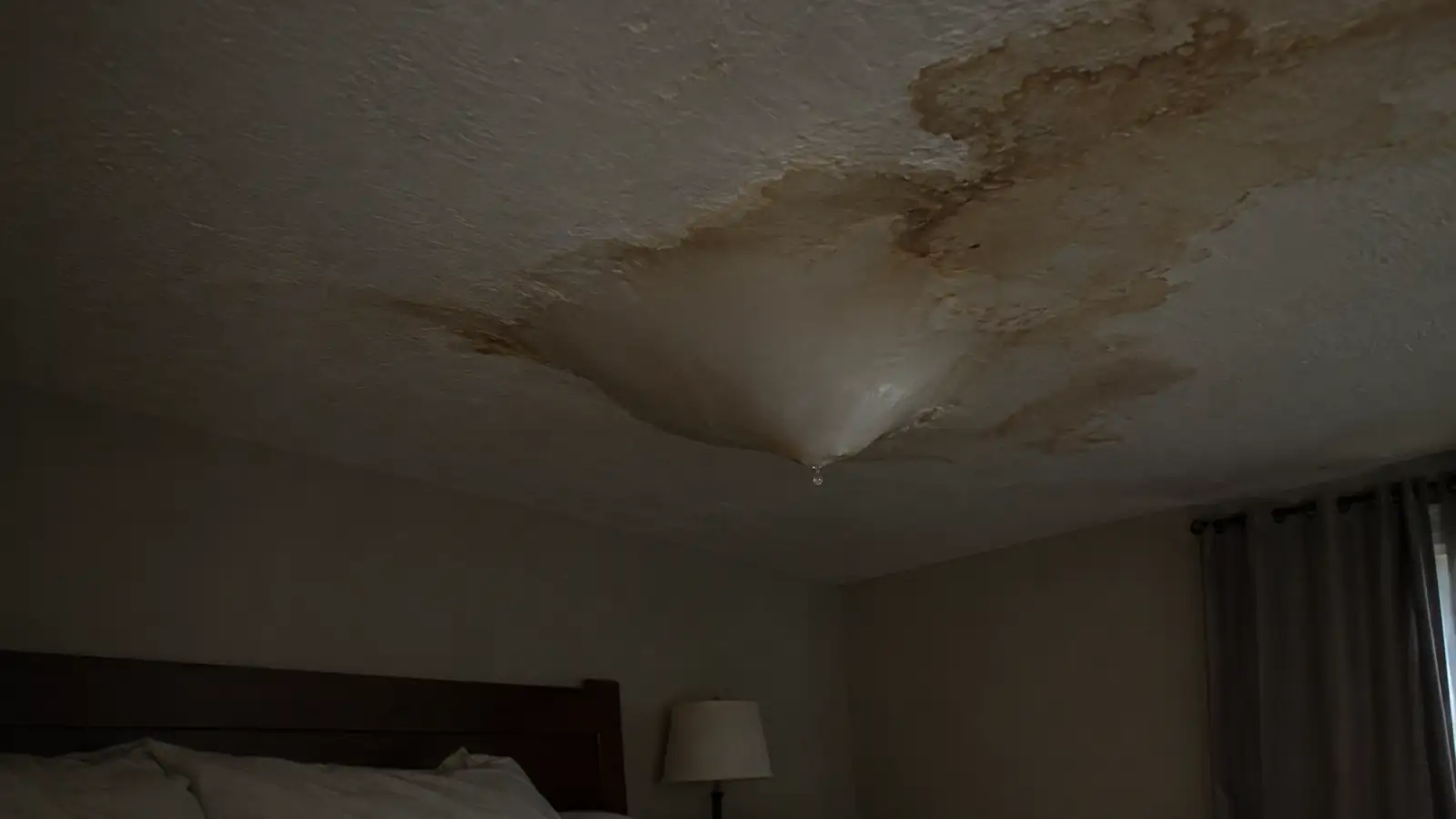
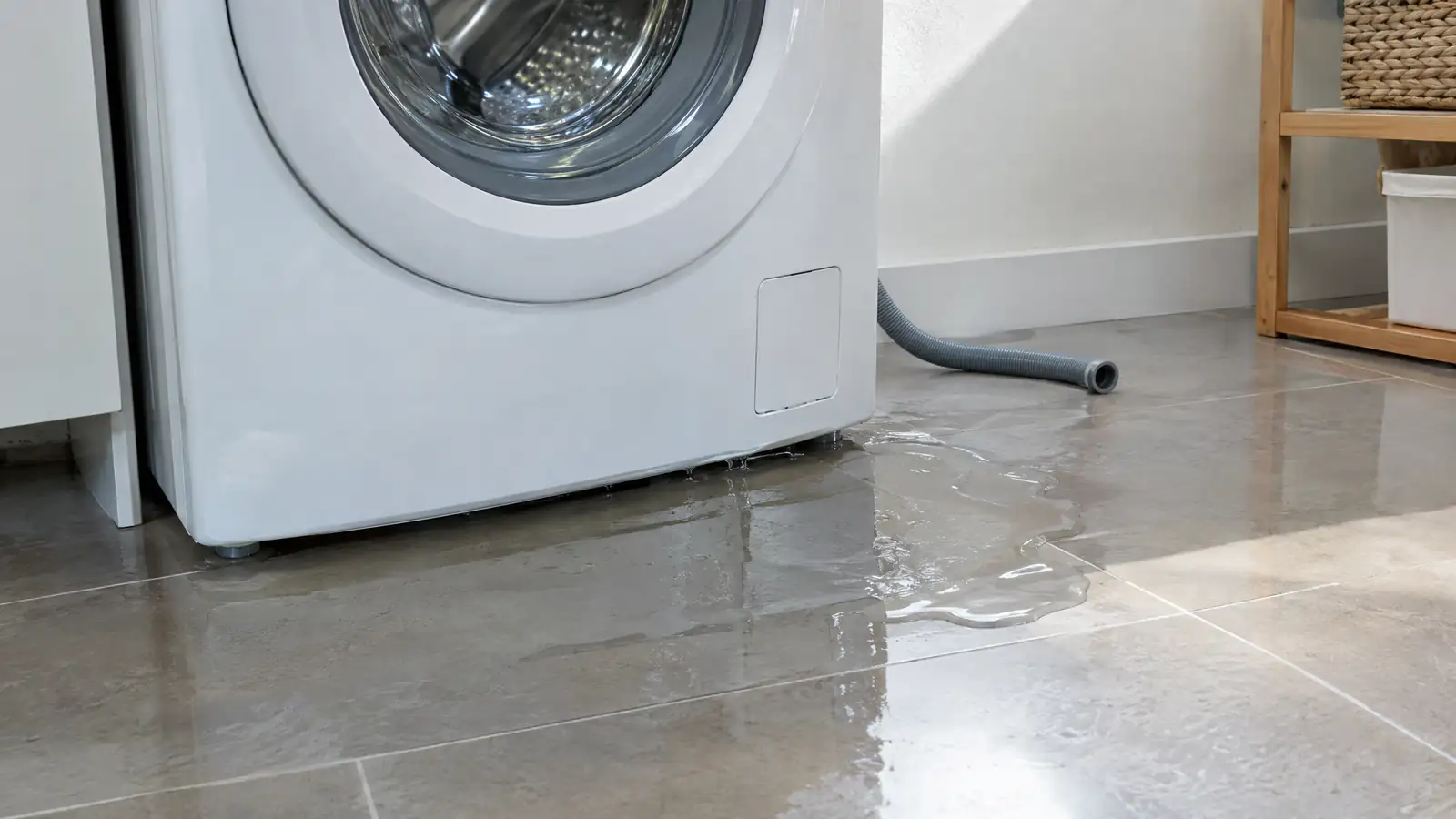
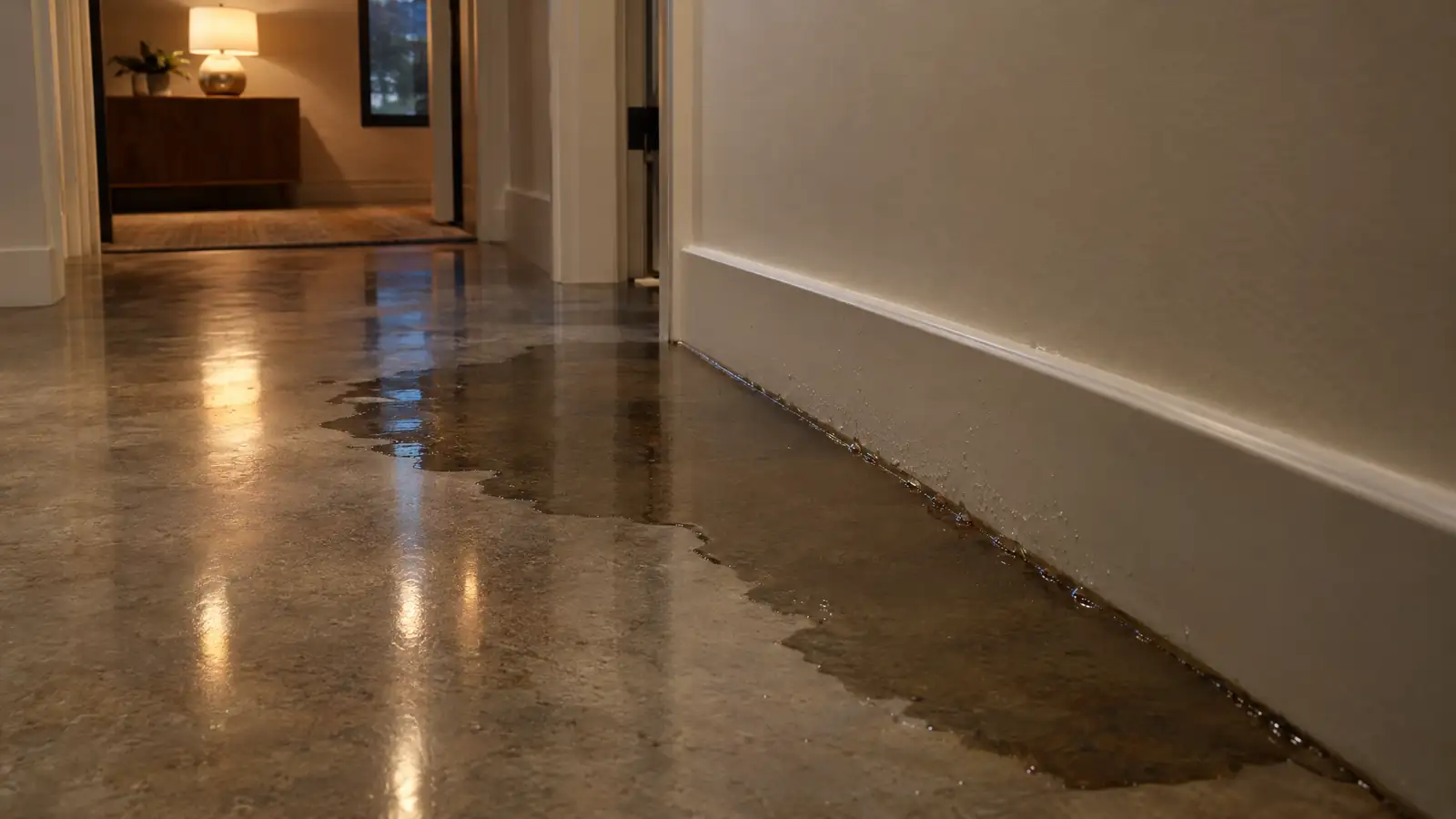
A warm or hot spot on the floor. The sound of running water when everything is off. A water bill that has jumped without a change in use. Damp or buckled flooring. Cracks in walls or tile. A musty smell.
Low water pressure can also be a sign.
Confirming it
Turn off every fixture and look at the meter. If the dial moves, water is going somewhere. A plumber isolates which line it is on and uses listening and locating tools to find the spot.
This avoids tearing up more floor than necessary.
Repair choices
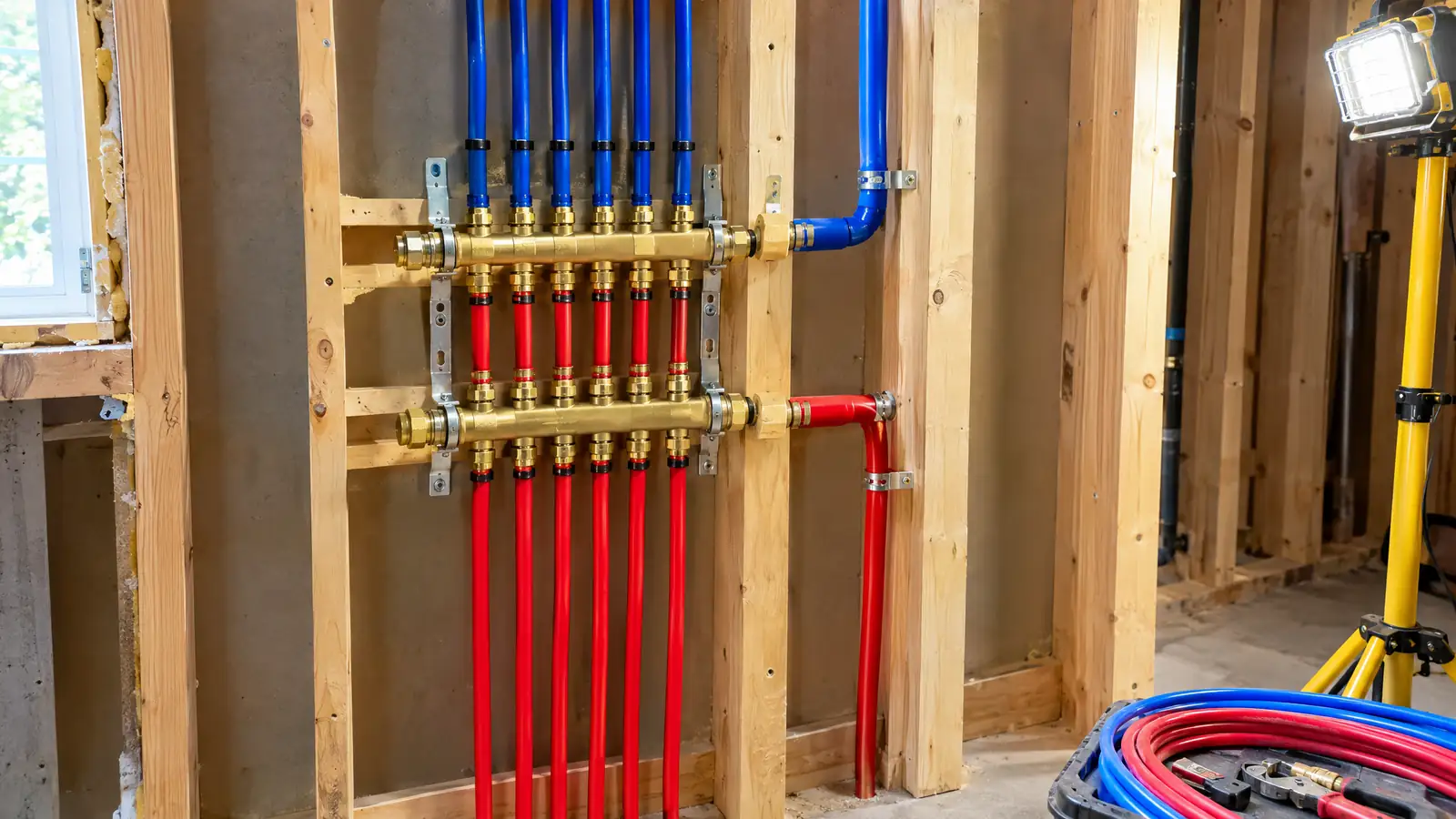
Options include repairing the pipe at the leak, rerouting the line through walls or attic, and repiping. The right one depends on the age of the pipes, how many leaks there are and what the house is made of.
Ask for the options and the trade-offs before work begins.
Quick answers
Is it an emergency?
It is urgent, since the water is wasted and can damage the floor. Shutting off the water limits harm.
Will insurance cover it?
It varies. Many policies cover resulting damage but not always the access. Ask your insurer.
Need help with this right now?
Call (615) 952-0844 any hour, or send the form below. If you smell gas, leave and call 911 and your gas utility first.