Key takeaways
- Pipes in exterior walls, crawl spaces and attics freeze first
- Thaw slowly: never use an open flame
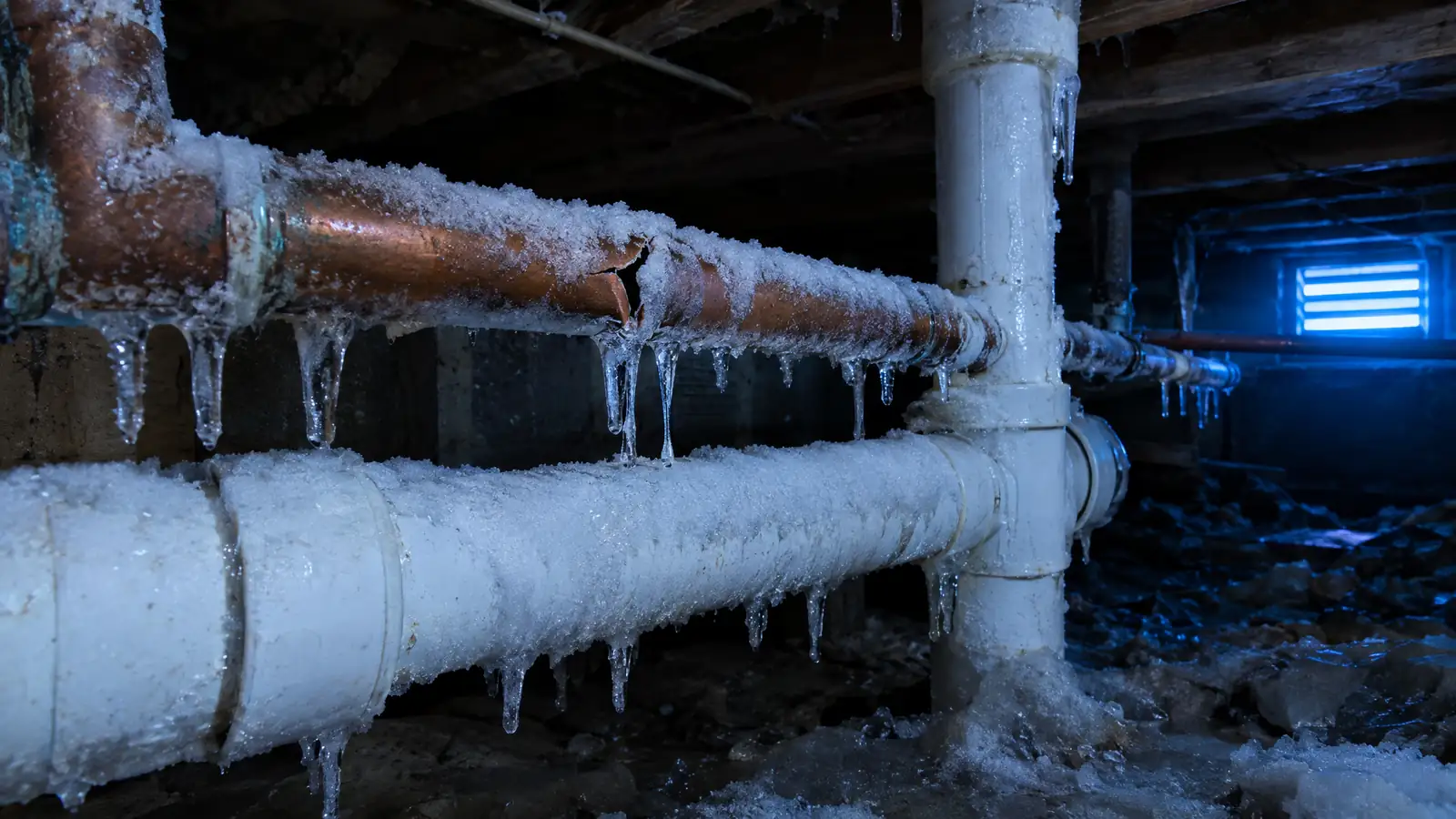
- A frozen pipe may be split even before you see a leak
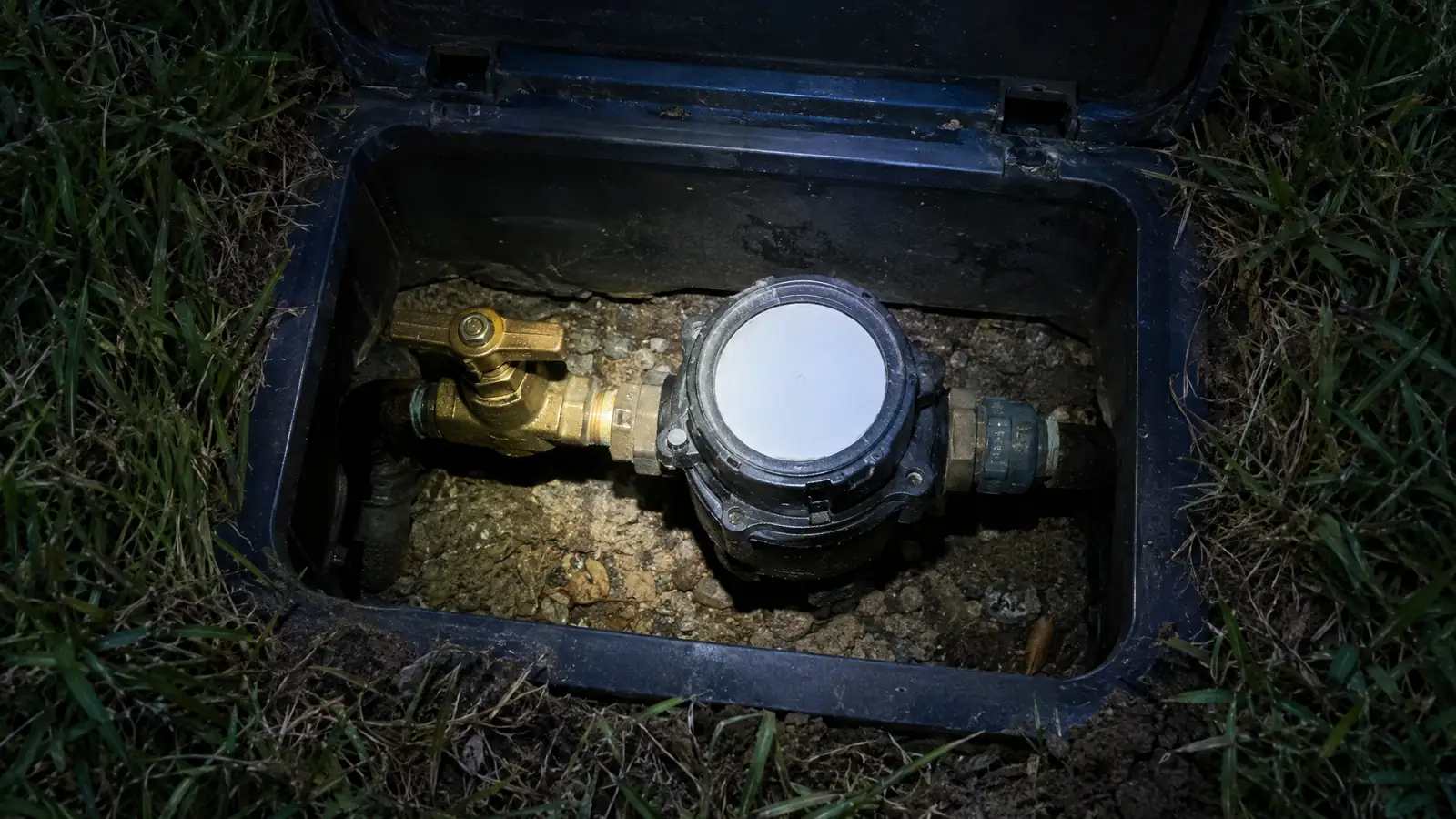
- Know where your main shutoff is
Where pipes freeze
Pipes in exterior walls, unheated crawl spaces, attics, garages and under sinks on cold walls are most at risk. Hose bibs and exposed lines freeze when temperatures drop for long enough.
Wind and drafts speed it up.
Preventing it
Insulate exposed pipes, seal drafts around pipes where they enter the house, disconnect hoses and let faucets drip in a hard freeze. Open cabinet doors under sinks on exterior walls to let warm air in.
Keep the heat on if you leave, set to a modest temperature rather than off.
Thawing safely
Open the faucet so melting water can flow. Warm the pipe slowly with a hair dryer or a heating pad, working from the faucet toward the frozen section. Never use a torch, a kerosene heater or any open flame.
If you cannot reach the frozen section, or it does not thaw, call a plumber.
If it splits
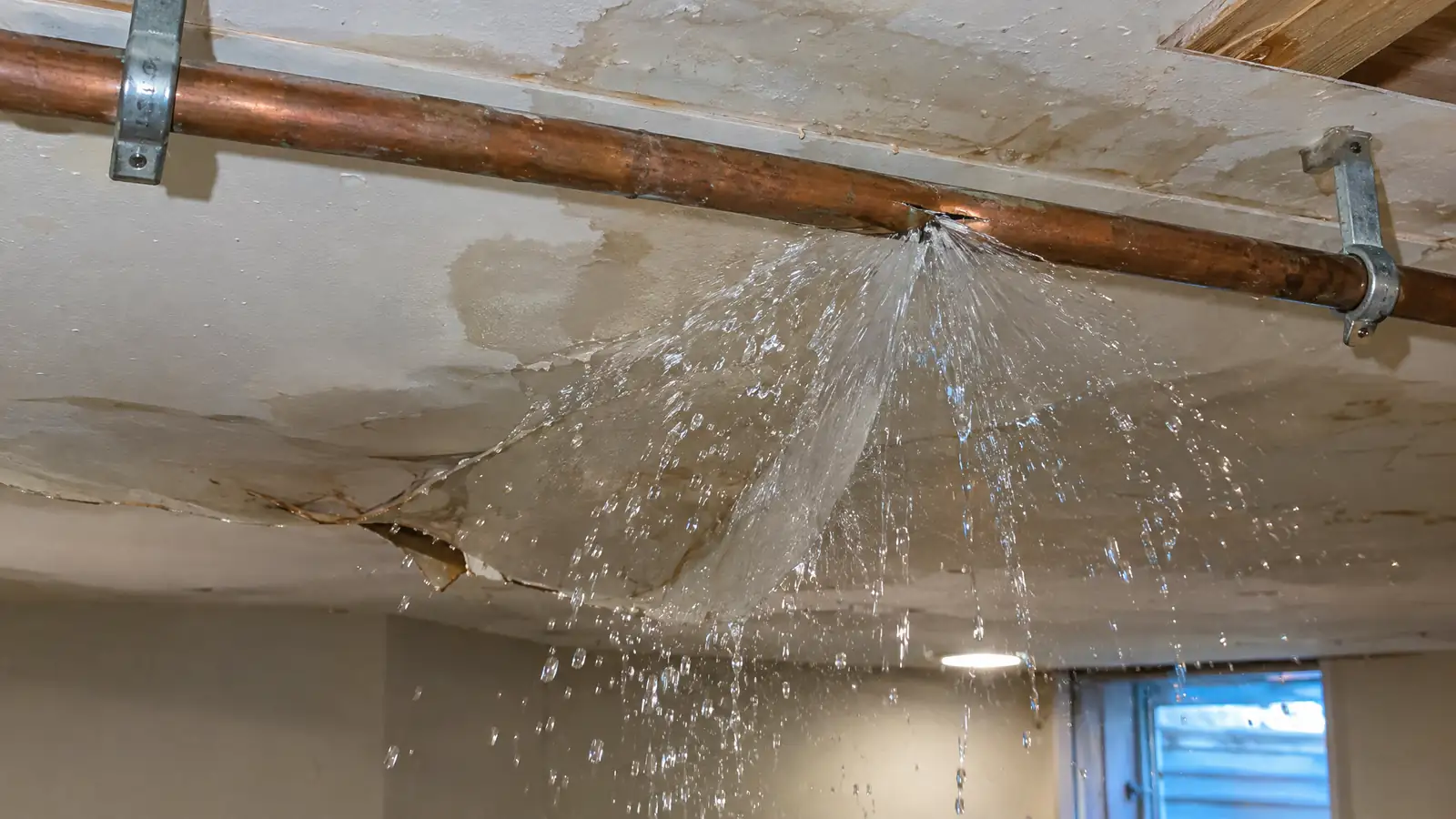
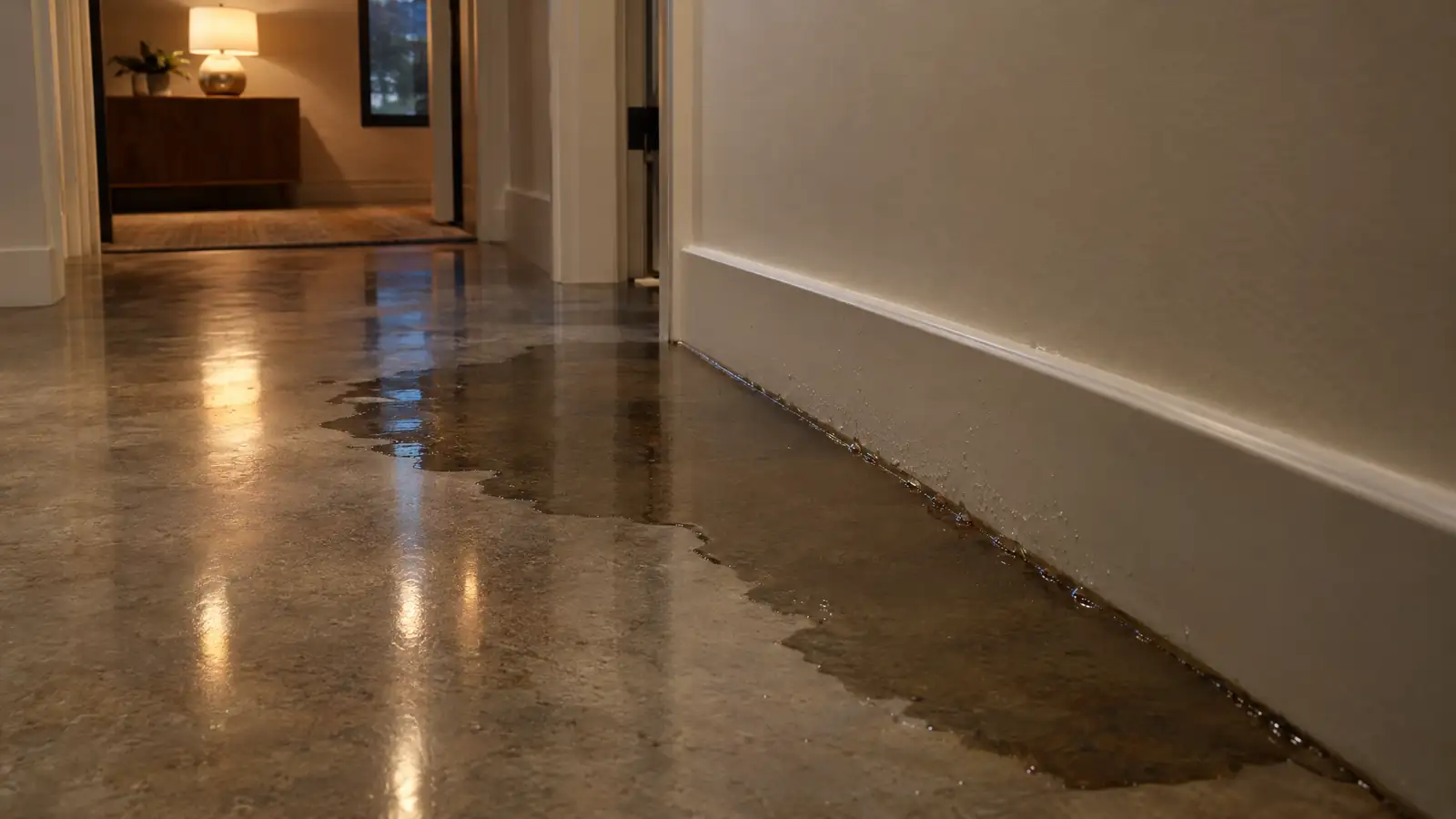
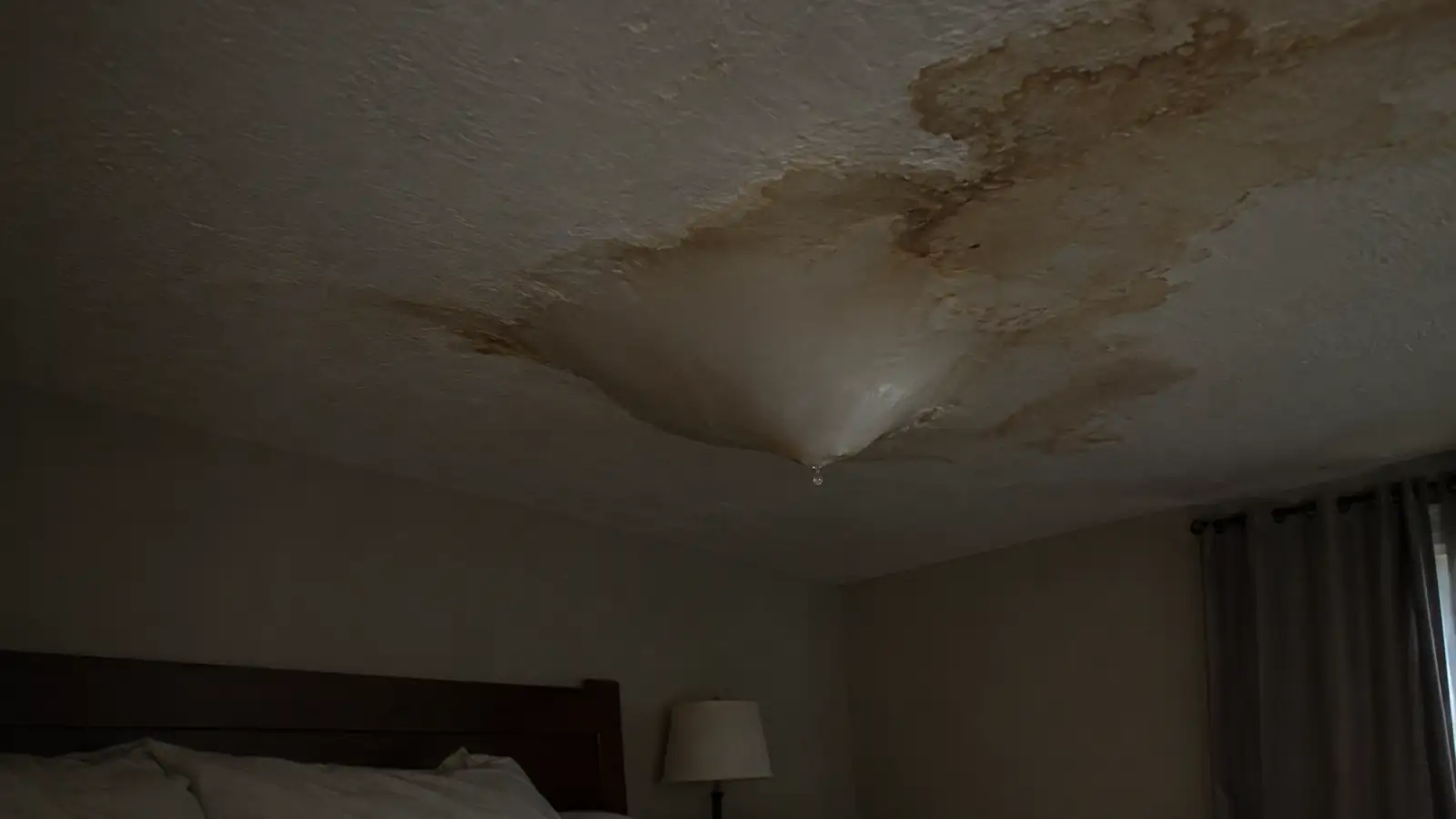
A pipe that has split will leak as it thaws. Be ready to close the main valve. If water appears, shut off the main and call for emergency repair.
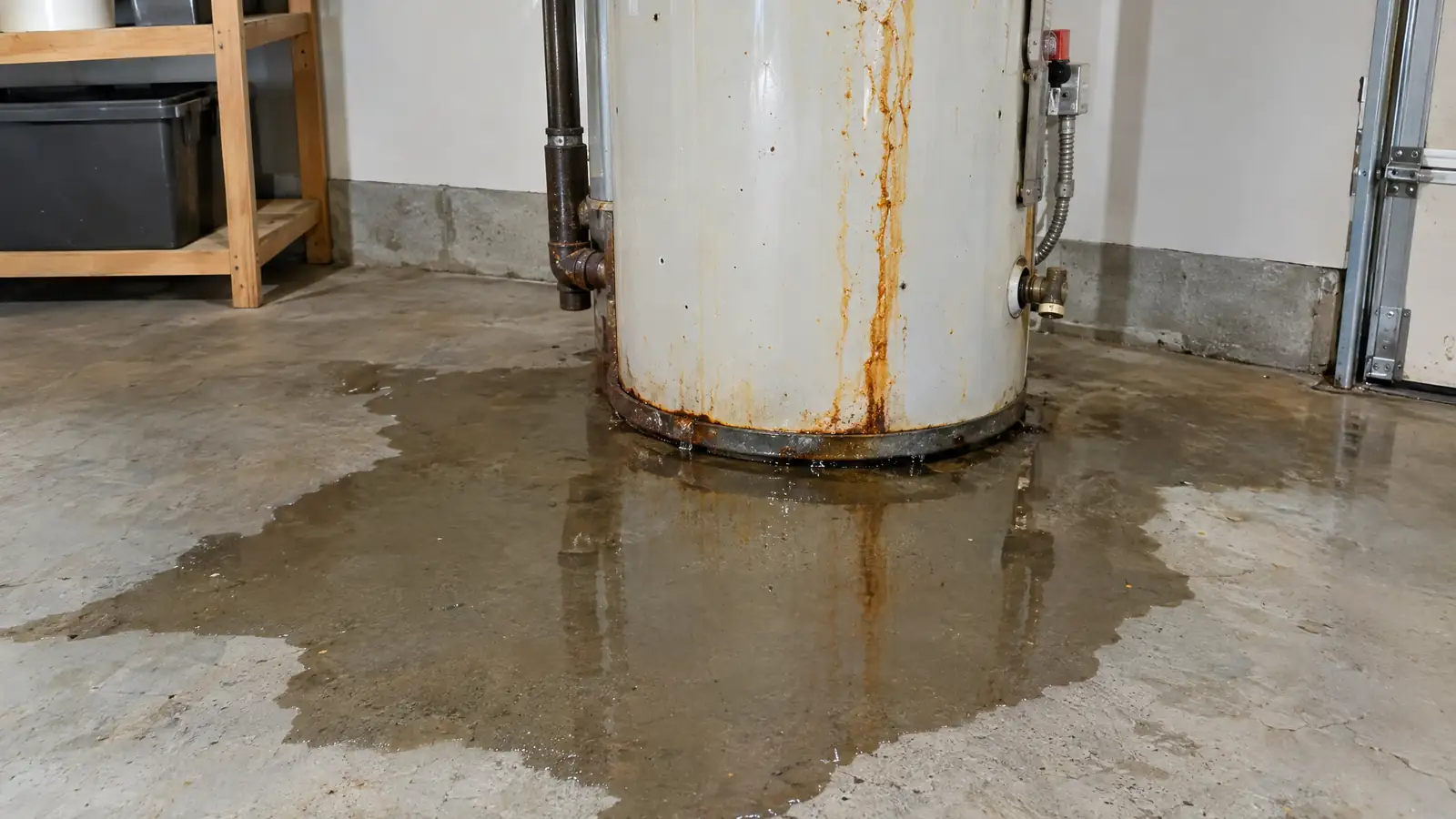
Dry the area quickly and check your insurance coverage.
Quick answers
Should I leave faucets dripping?
In a hard freeze, a slow drip can keep water moving. It is not a guarantee.
Will a frozen pipe always burst?
No, but it can. Thaw it carefully and watch for leaks.
Need help with this right now?
Call (615) 952-0844 any hour, or send the form below. If you smell gas, leave and call 911 and your gas utility first.