Key takeaways
- The source decides the response
- Keep clear of water near outlets, appliances and the panel
- Do not pump out too quickly when the ground is saturated
- Document before you move things
Work out where it is coming from
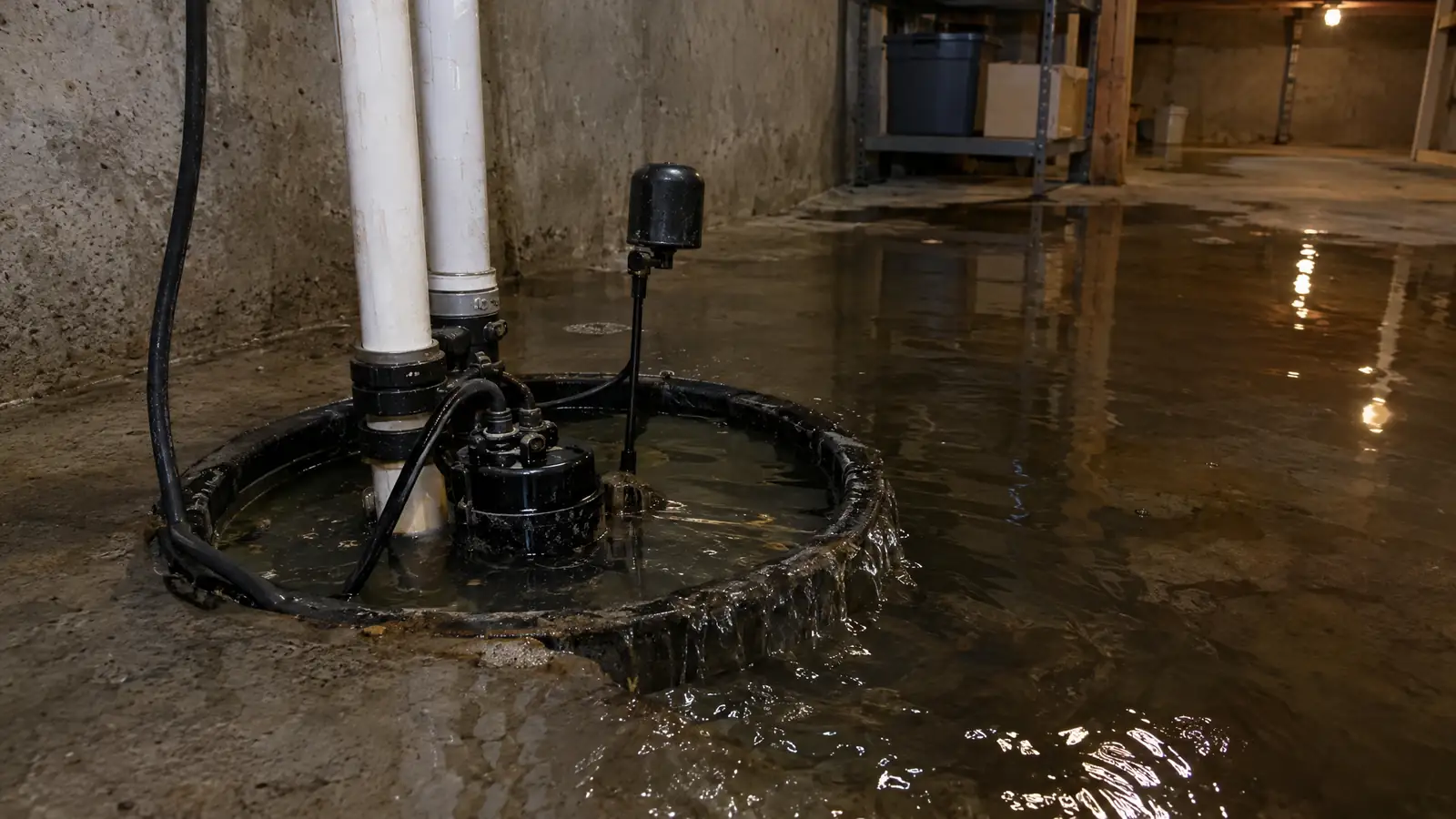
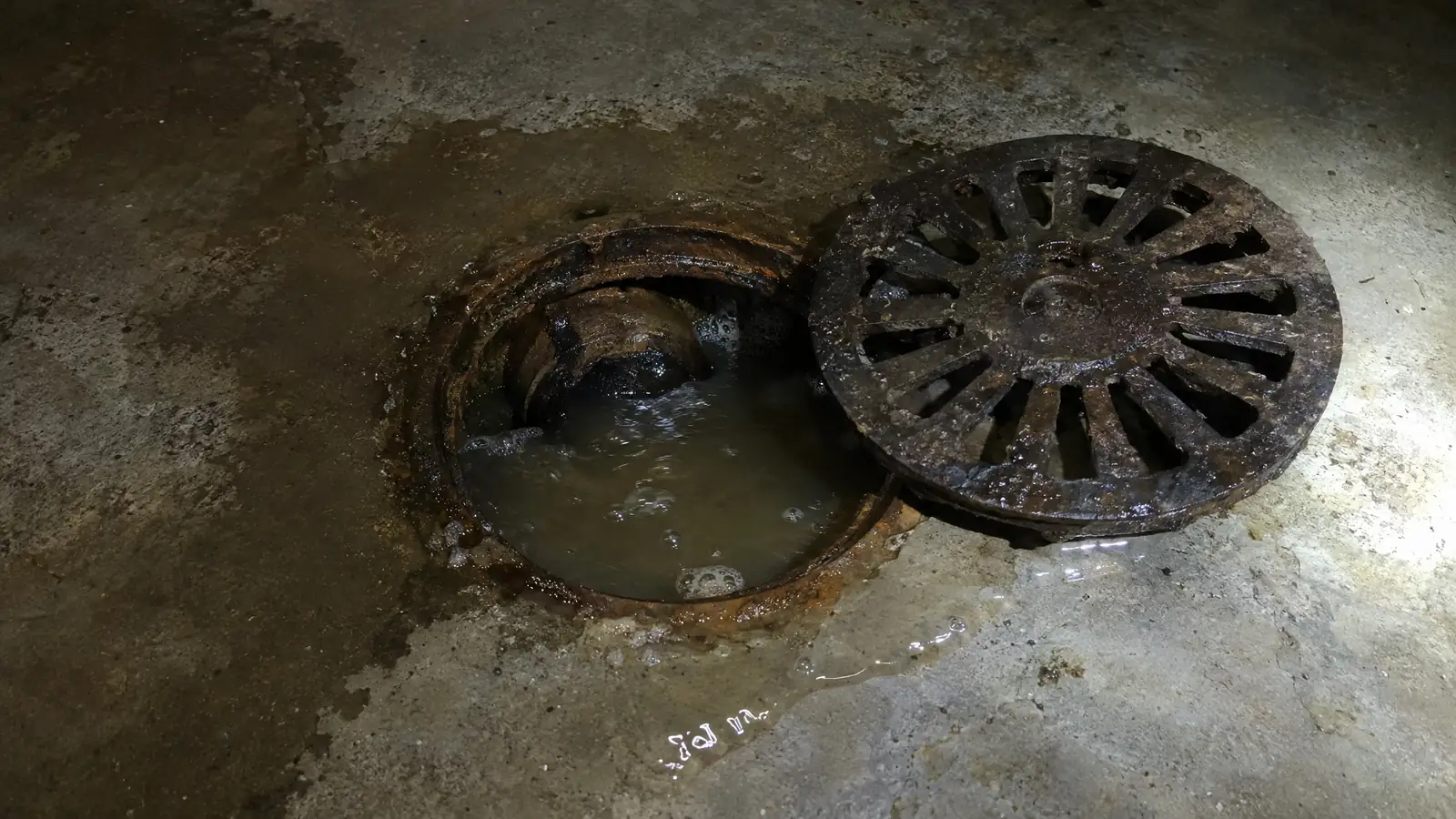
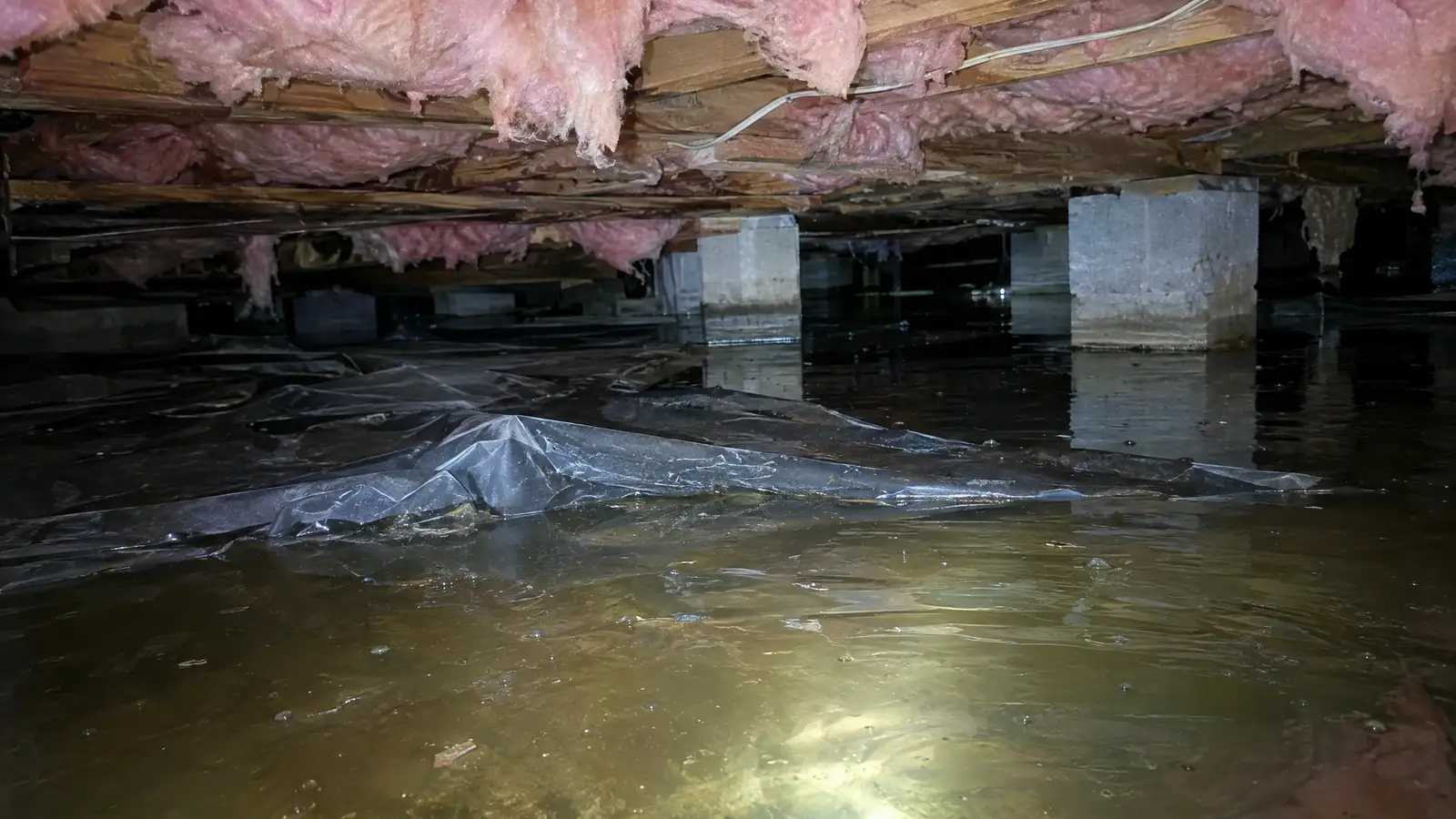
Clean water from a broken pipe or a leaking water heater, groundwater through the walls or floor, a failed sump pump and wastewater from a floor drain each call for a different response.
Look at the color and smell. Dirty or smelly water suggests sewage and should be treated as contaminated.
Stay safe
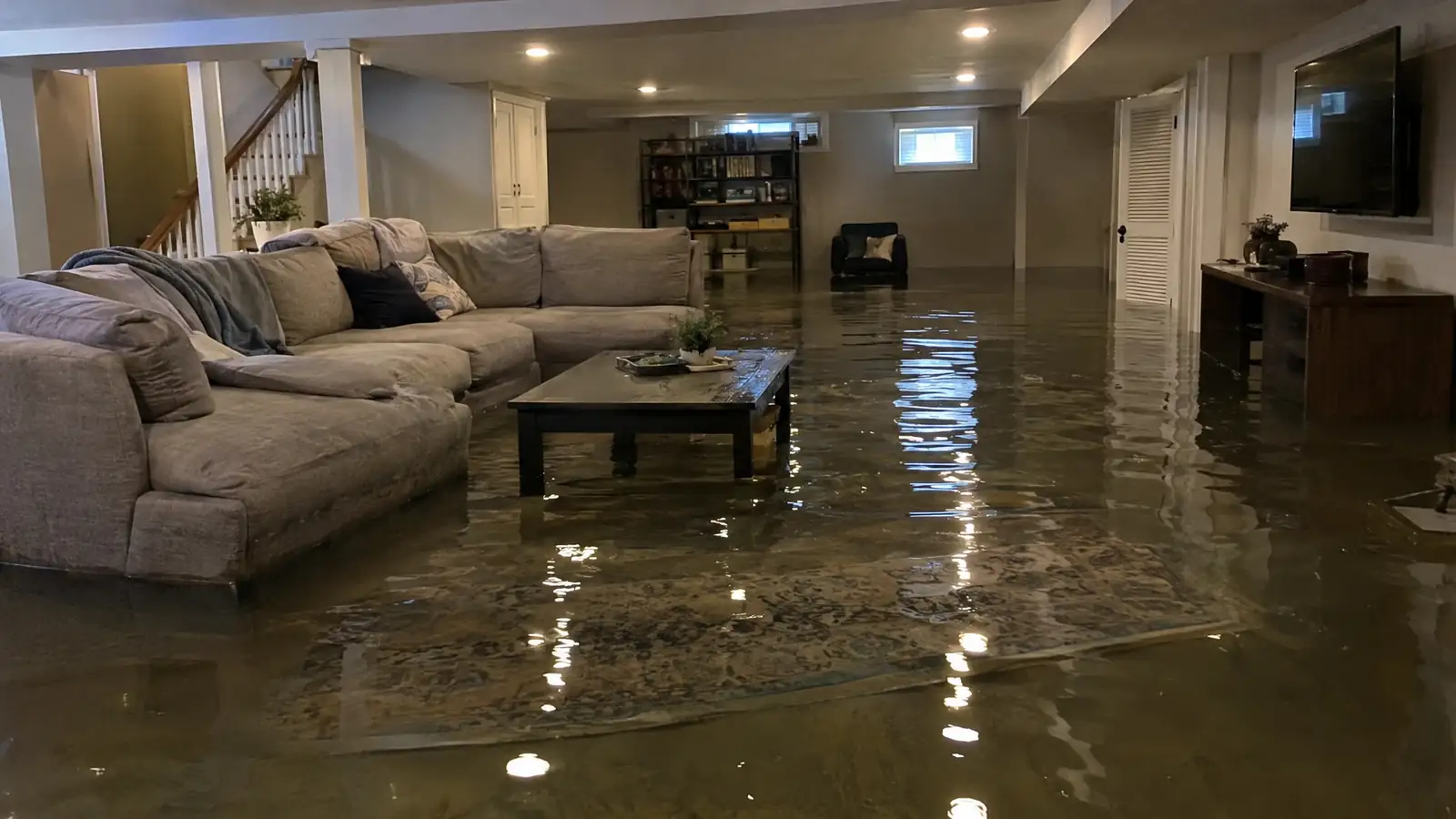
Do not enter a flooded basement if water could be touching outlets, appliances or the electrical panel. Stay out and call the utility or an electrician if you are not sure the power is off.
Wear boots and gloves for any contact with water, and keep children and pets out.
Stop what you can
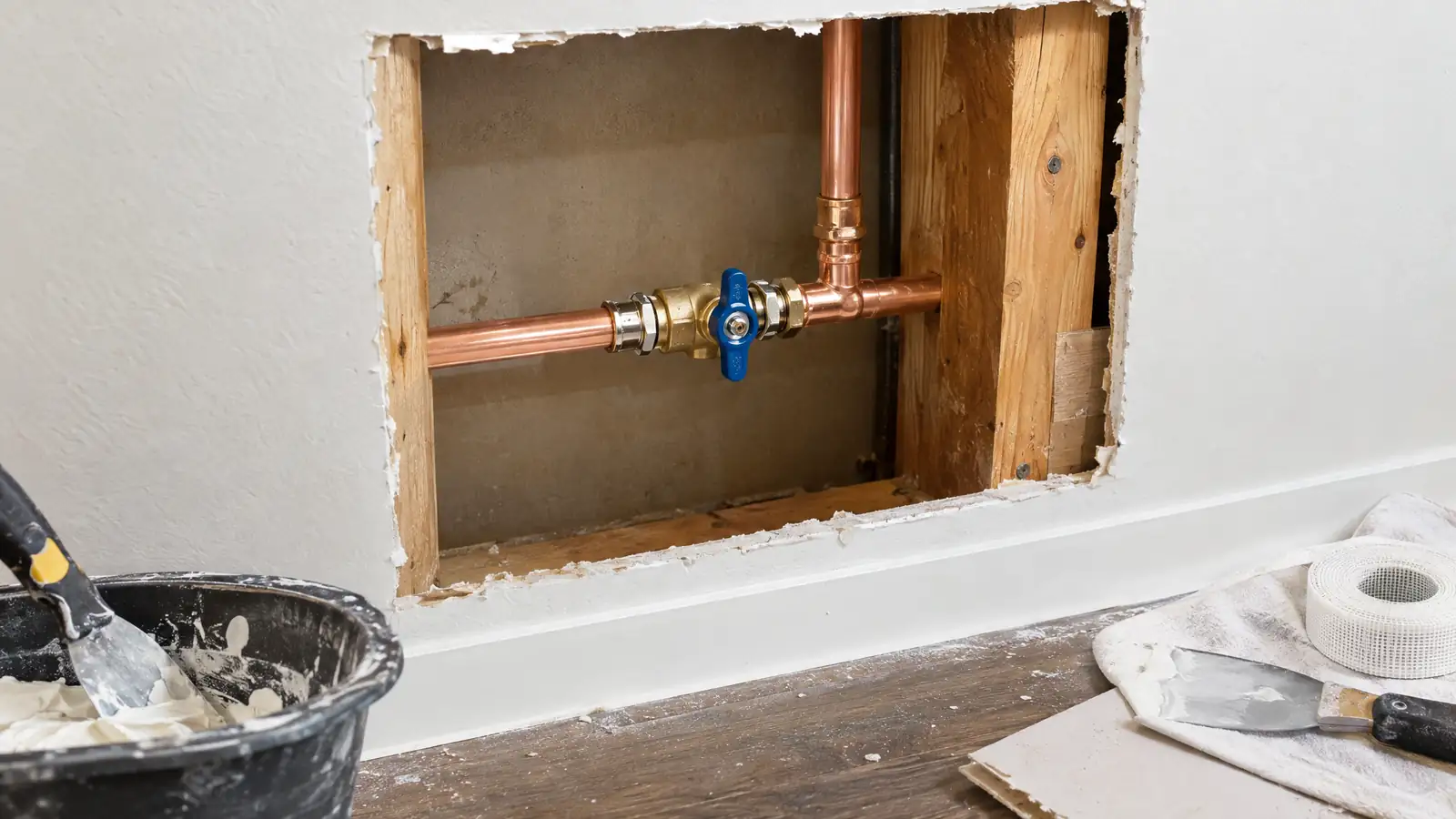
If it is a pipe or heater, shut off the main water valve. If it is a drain backing up, stop using water. If it is groundwater or rain, it will not stop until the weather does, but you can protect belongings and clear downspouts.
Lift items off the floor and move valuables upstairs.
Pumping and cleanup
When the ground outside is saturated, pumping the basement dry all at once can put stress on walls and floors, because the outside water pressure is no longer balanced. Pump gradually, and ask a professional if you are unsure.
Plan to dry and disinfect surfaces, and document the damage for your insurer.
Quick answers
Is flood water dangerous?
It can be, because of electrical hazards and contamination. Keep out until it is safe.
Who should I call first?
If water is from a pipe, a plumber. If the electrics are involved, an electrician or the utility. For drying and rebuilding, a restoration company.
Need help with this right now?
Call (615) 952-0844 any hour, or send the form below. If you smell gas, leave and call 911 and your gas utility first.