Key takeaways
- Speed matters: damp materials can start growing mold within days
- Photograph everything before you clean
- Dry the structure, not just the surface
- Contact your insurer early
Hour zero to a few hours
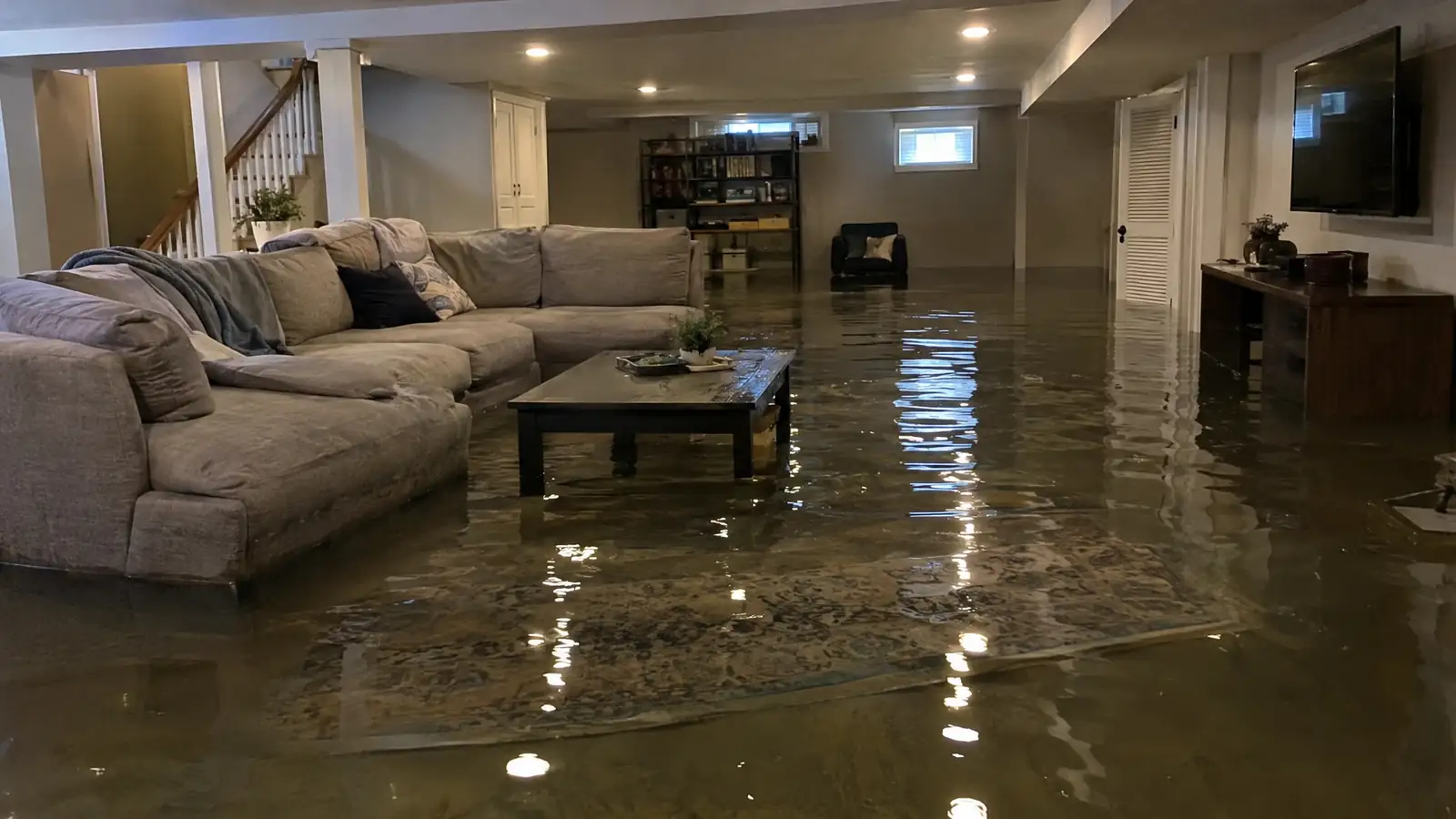
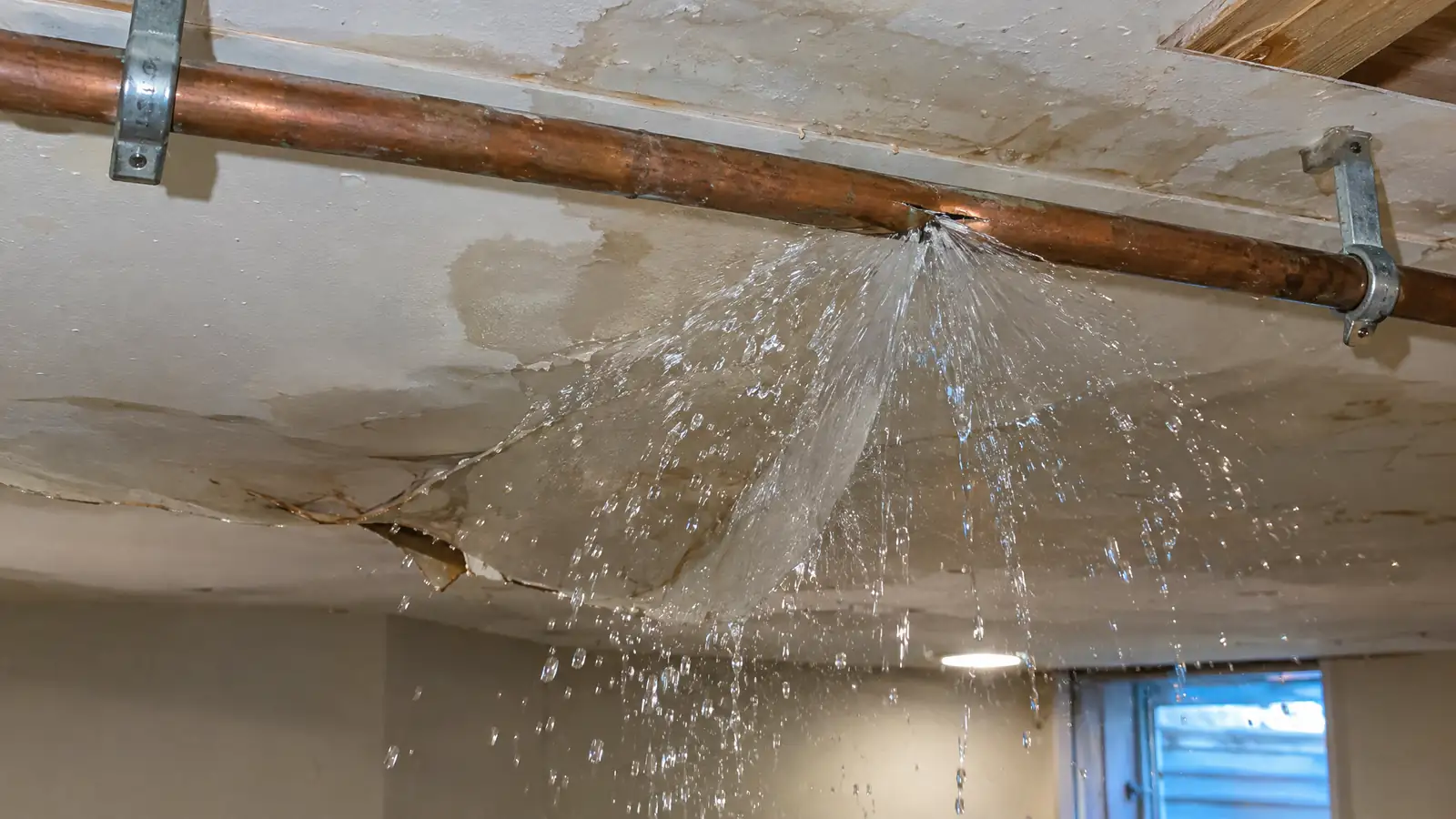
Stop the source, make the area safe and get people out of water. Take photos and video of the damage, including the source and the affected rooms and items.
Remove standing water as soon as it is safe.
The first day
Move belongings to dry areas. Remove wet rugs and soaked porous items that cannot be dried. Open windows and run fans and dehumidifiers if the air outside is drier than the air inside.
Call your insurer and a restoration company.
The second day
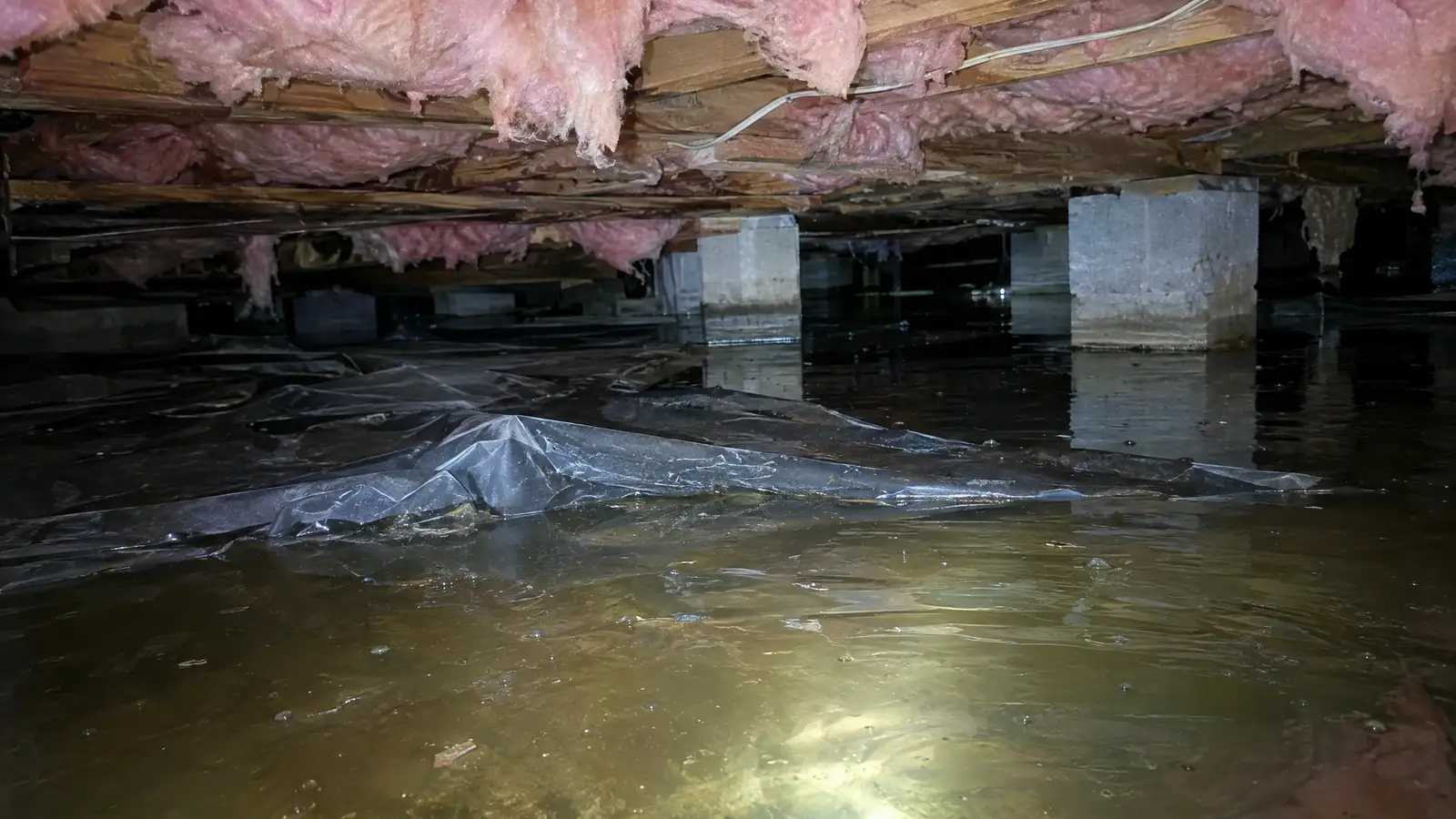
Water hides in walls, under flooring and in insulation. A restoration company can measure moisture and dry the structure properly. Keep receipts for everything you spend.
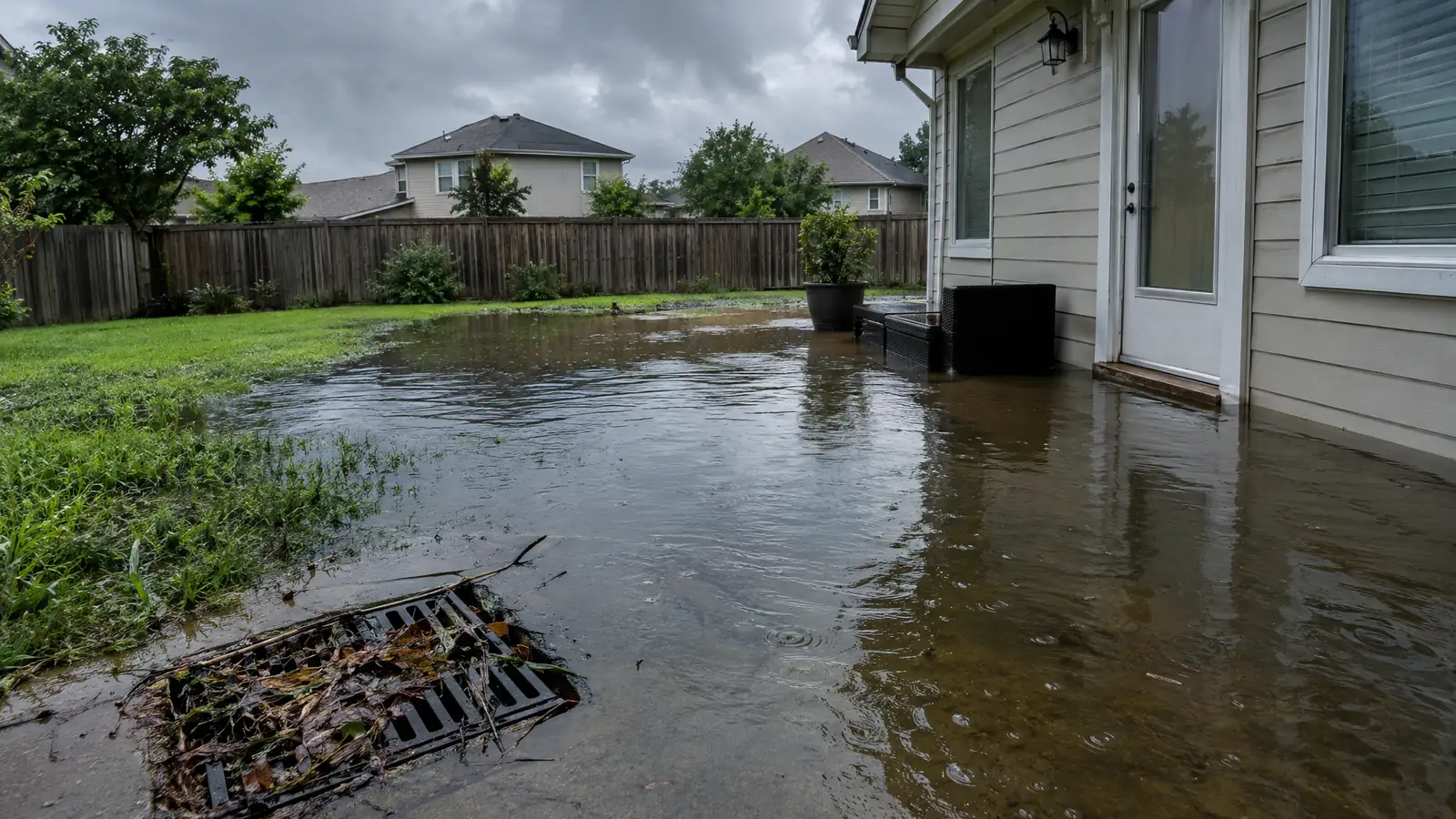
If the water was sewage or flood water, do not try to salvage porous materials.
What to keep in mind
Damage grows over time, so acting fast limits both cost and mold. Do not rely on surface drying to tell you the walls are dry.
Our Flood Damage Clock shows how things typically progress.
Quick answers
When does mold start?
It can begin within a day or two in damp conditions. The sooner you dry, the better.
Can I do it myself?
Small spills, yes. Larger floods usually need professional drying.
Need help with this right now?
Call (615) 952-0844 any hour, or send the form below. If you smell gas, leave and call 911 and your gas utility first.