Key takeaways
- Moisture, warmth and organic material are what mold needs
- Drying quickly is the best prevention
- Hidden moisture in walls and crawl spaces is the usual culprit
- A musty smell is a clue
What mold needs
Mold spores are everywhere. They grow when materials stay damp, especially paper-faced drywall, wood, insulation and carpet padding. Warm, still air helps.
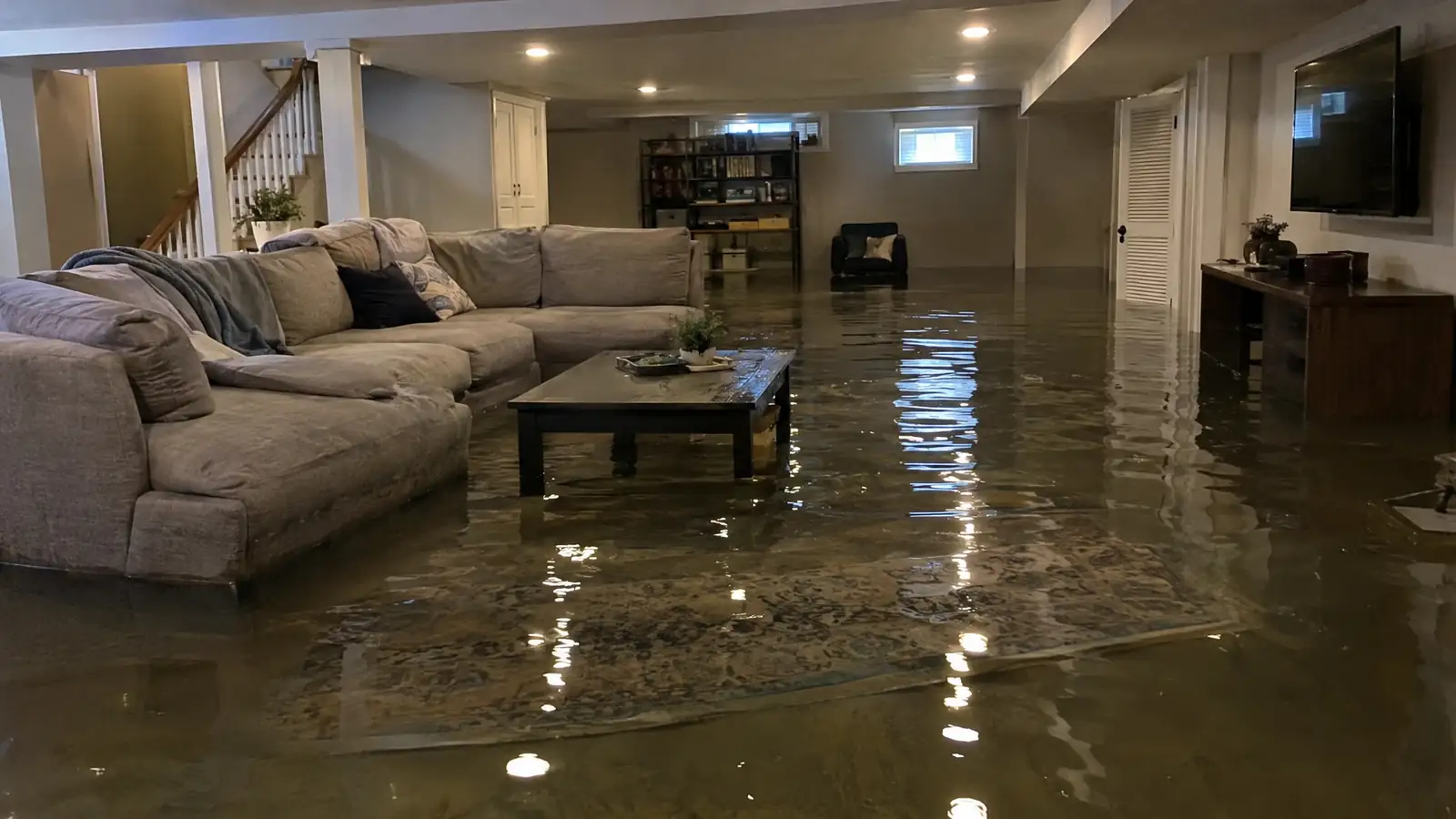
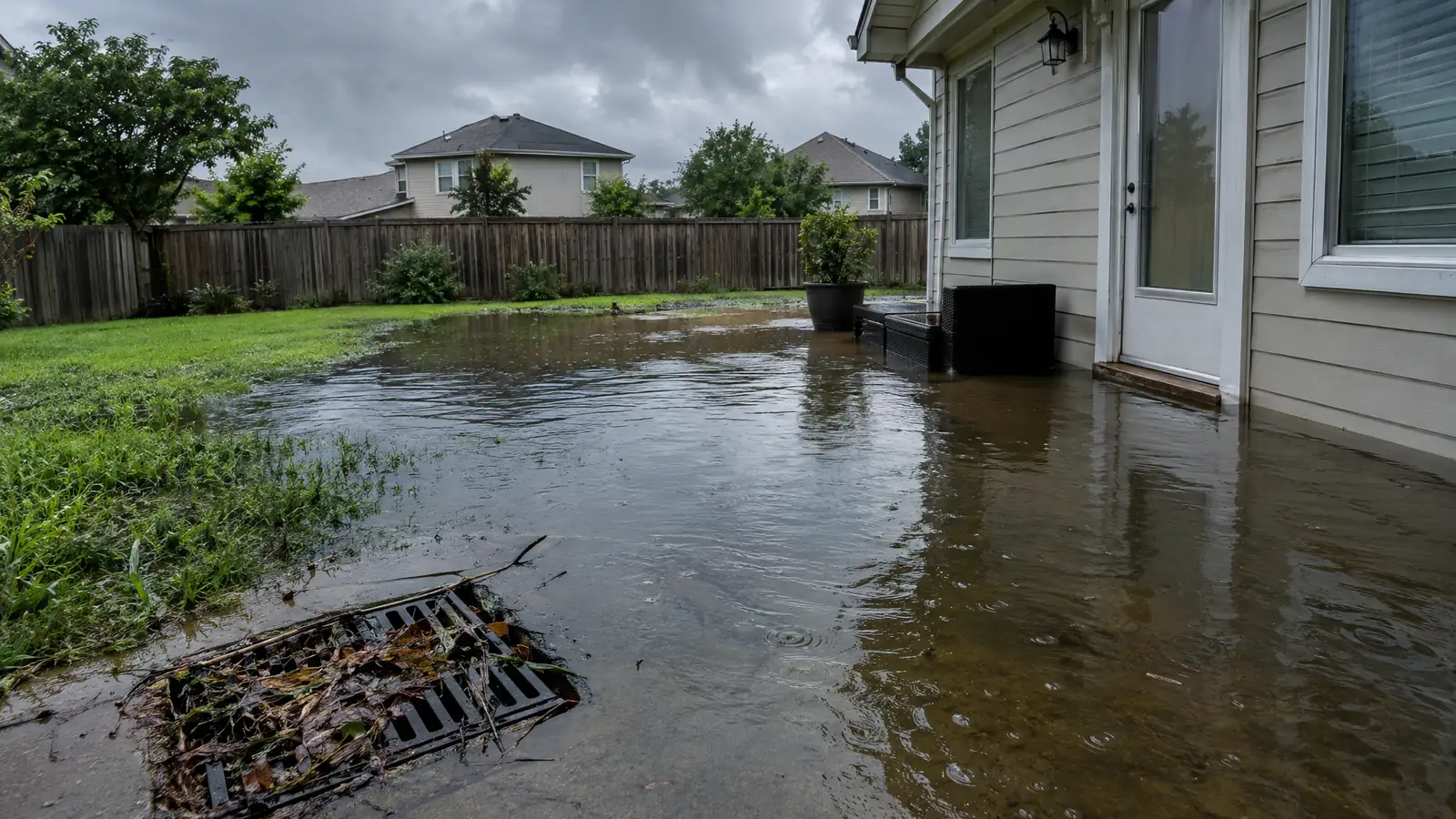
Plumbing leaks and floods supply the moisture.
How fast it can show up
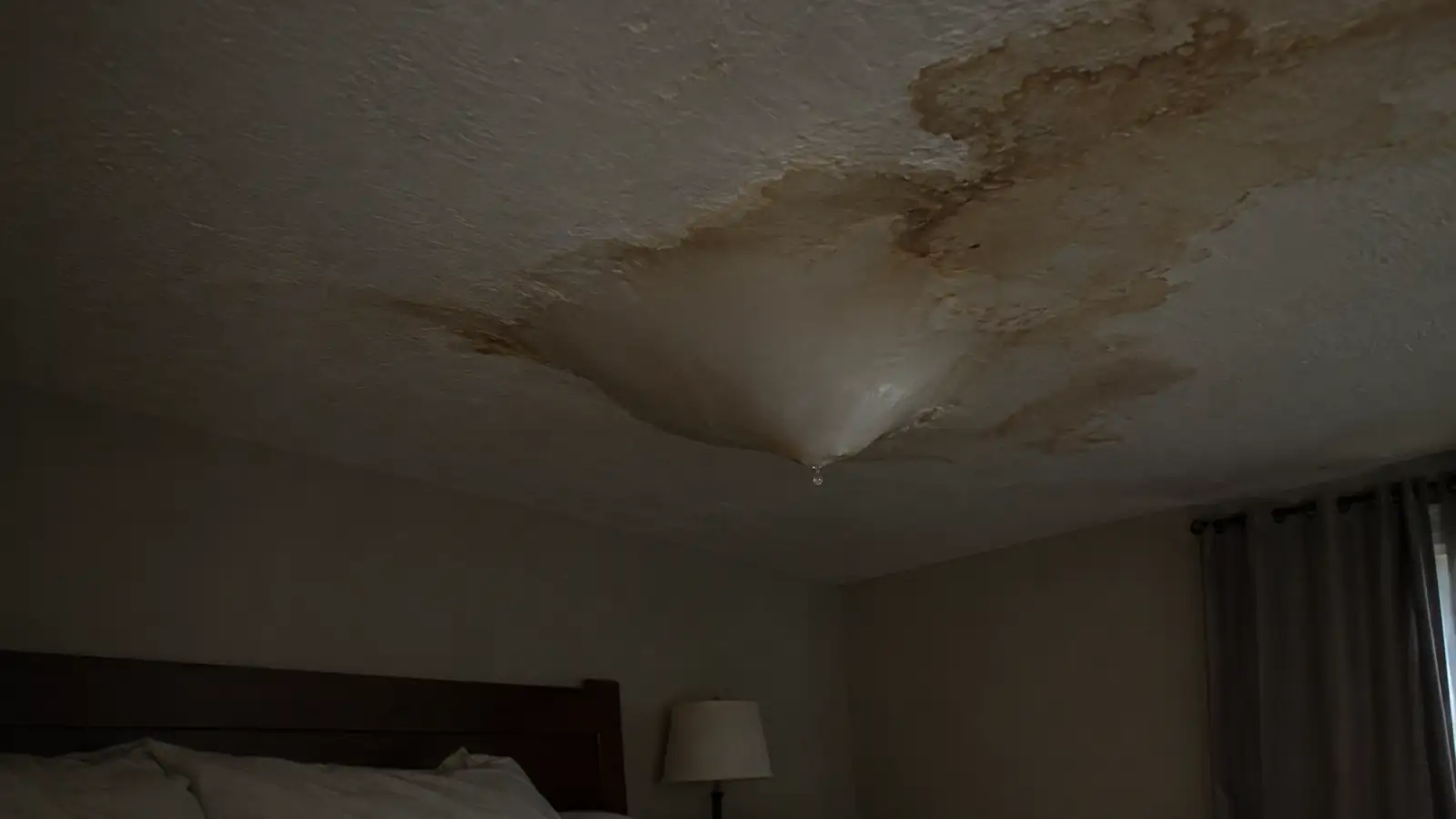
In damp conditions it can begin within a day or two, though visible growth may take longer. A leak that has run for weeks, like a slow pipe leak, can grow mold before you see any water.
A musty smell with no visible source is a clue.
Reducing the risk
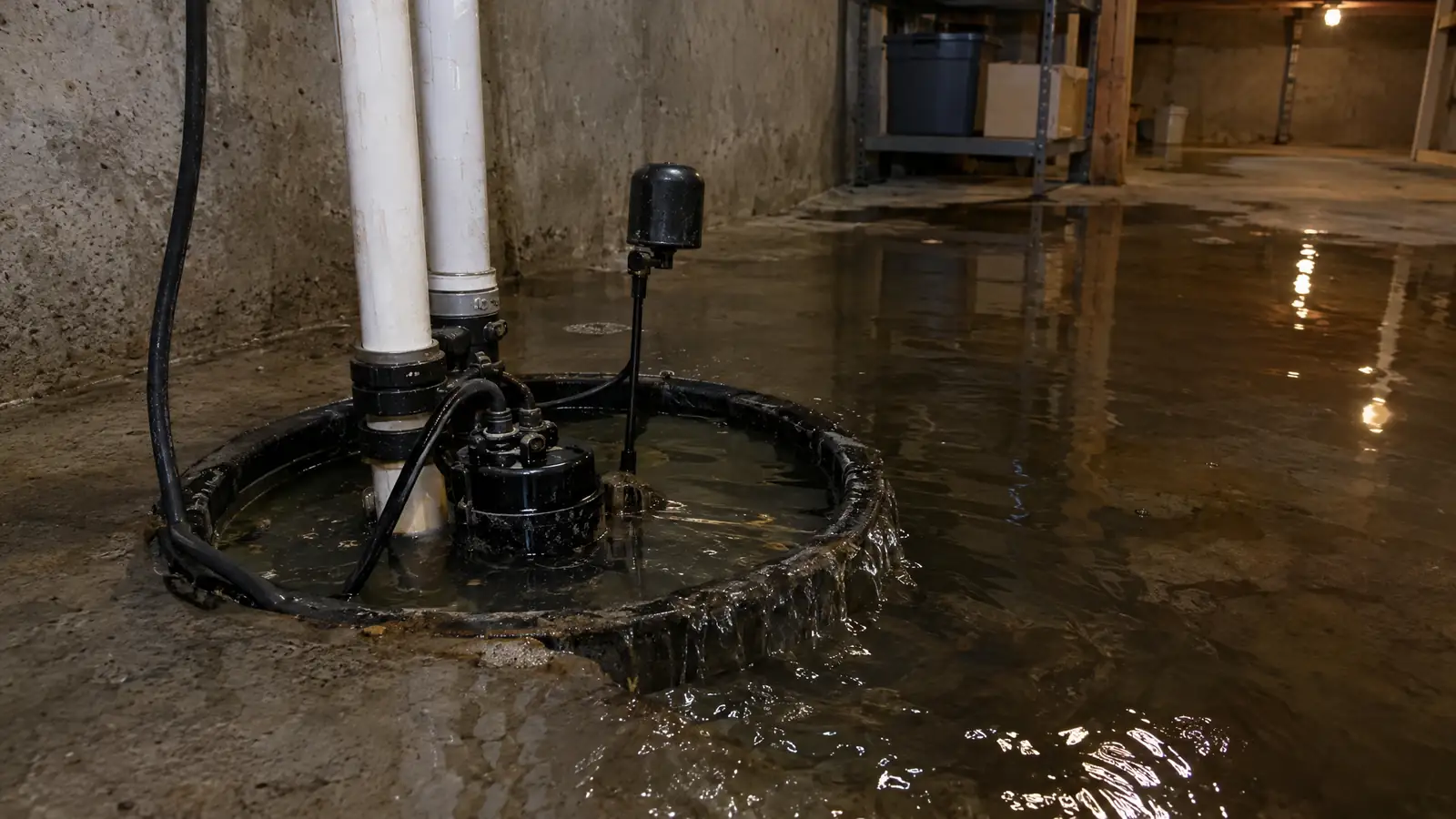
Stop the source, remove standing water, remove soaked porous materials that cannot be dried and dry the structure quickly with fans and dehumidifiers. Keep the air moving.
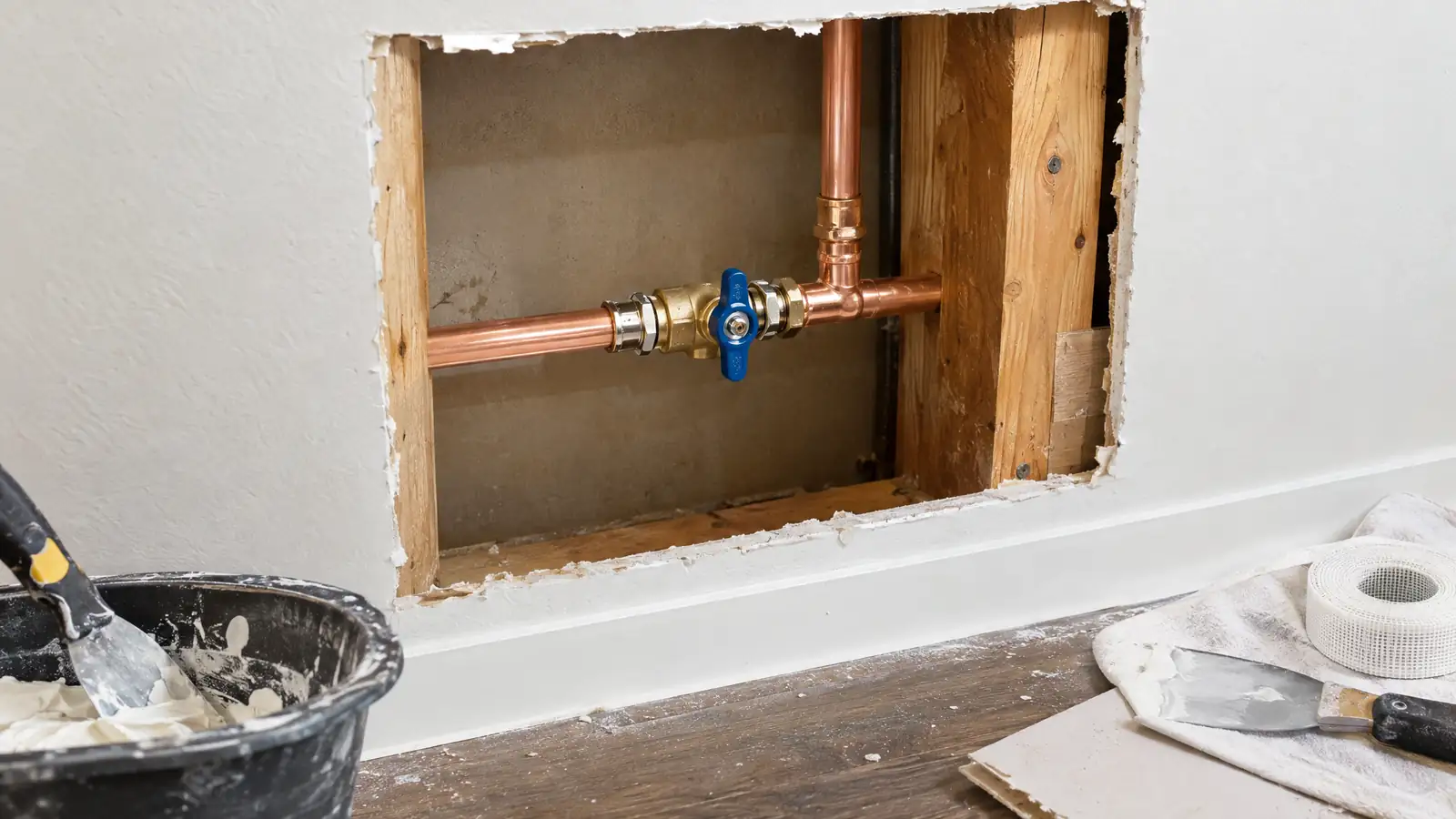
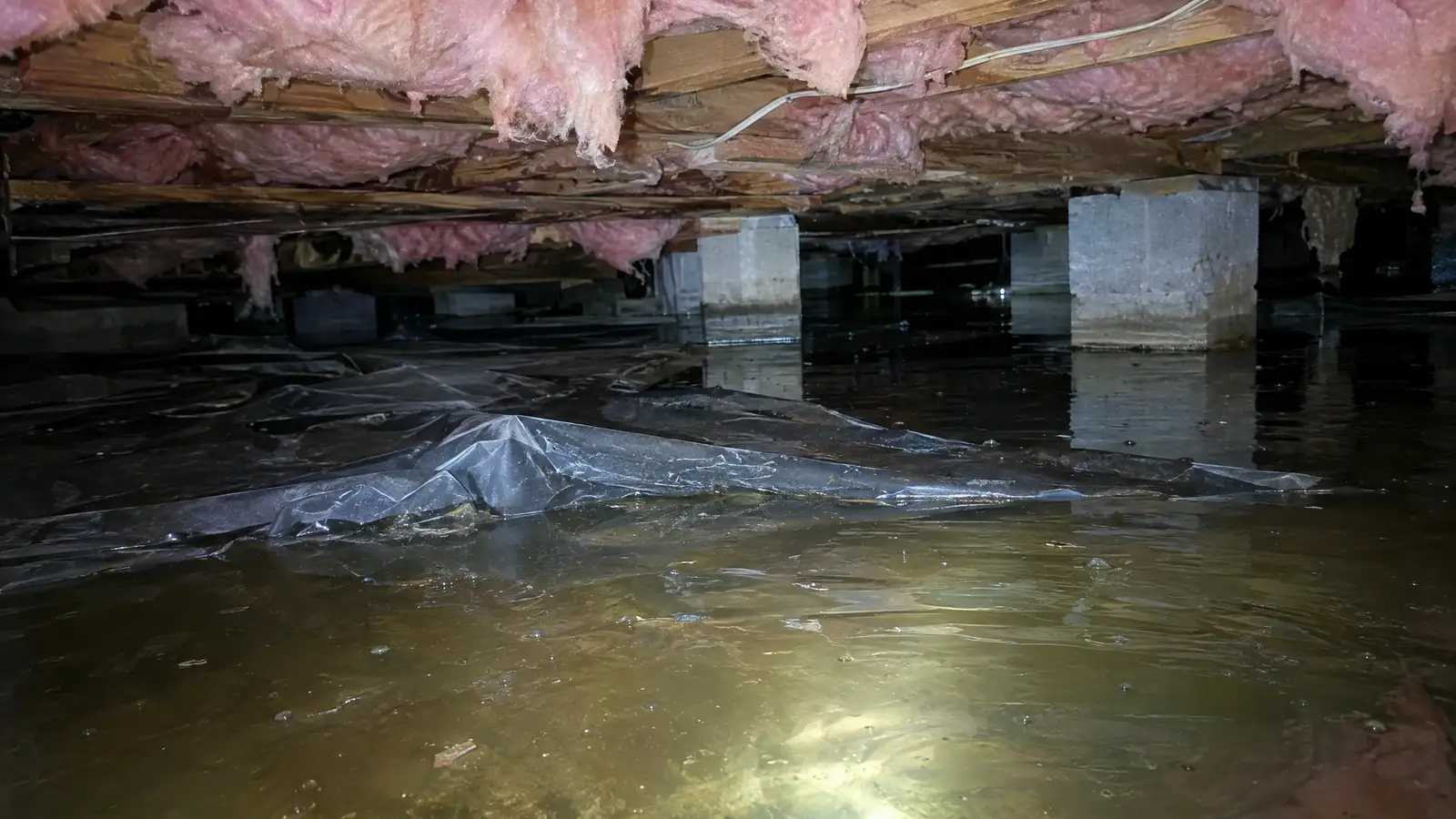
Check hidden spaces such as crawl spaces, under cabinets and behind baseboards.
When to bring in a specialist
If mold covers a large area, if people in the home have health concerns or if you are not sure how far moisture has spread, consult a mold or restoration specialist. We fix the plumbing cause and can tell you what to ask.
We do not do mold remediation.
Quick answers
Is mold always dangerous?
It depends on the person and the type. Reducing exposure is sensible, and anyone with health concerns should talk to a doctor.
Will bleach fix it?
Not reliably, and it is not suitable for porous materials. Ask a specialist.
Need help with this right now?
Call (615) 952-0844 any hour, or send the form below. If you smell gas, leave and call 911 and your gas utility first.