Key takeaways
- A pump that has not been tested may not work when you need it
- Common failures: stuck float, clogged intake, dead motor, power cut
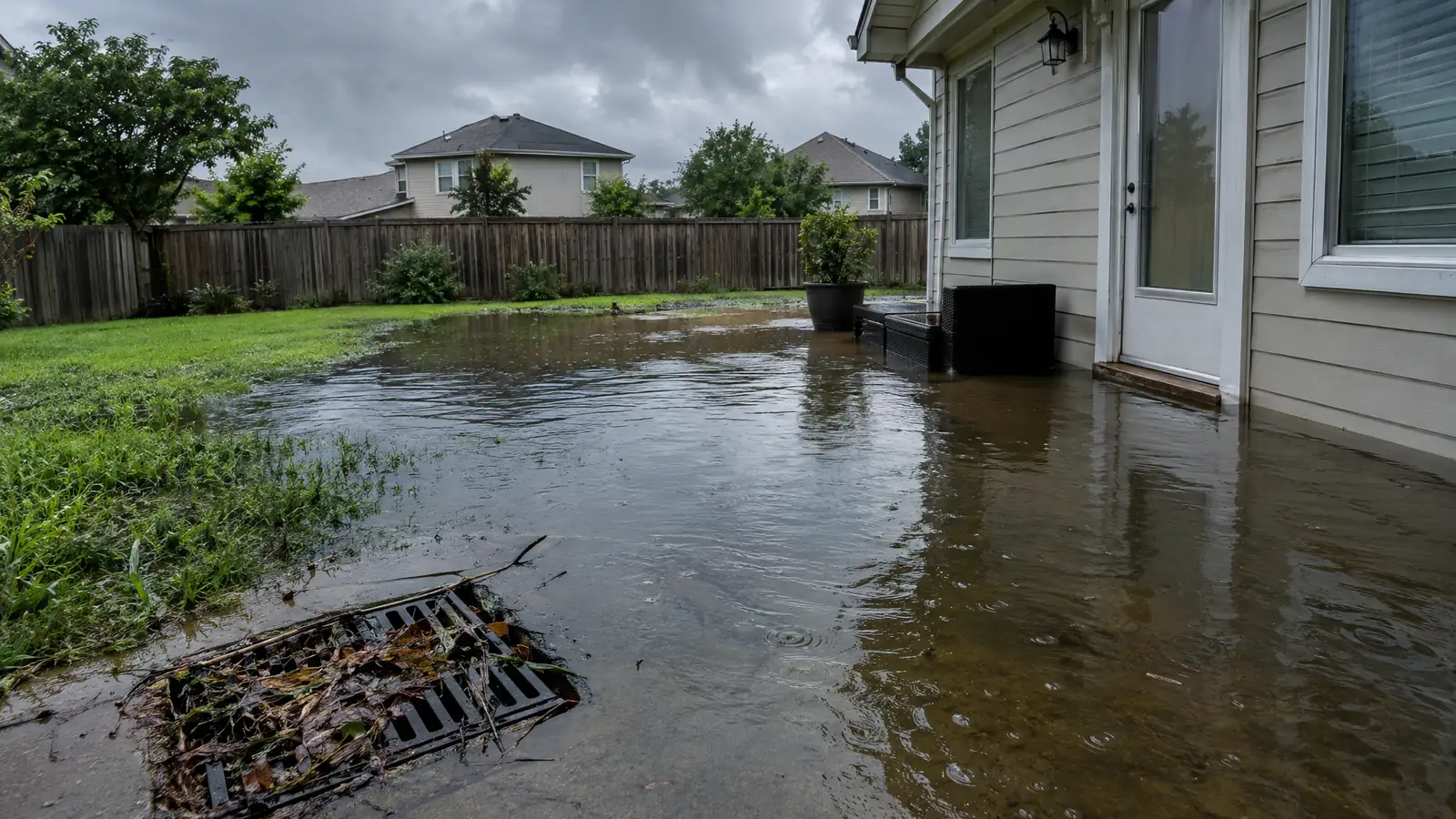
- The discharge line should lead away from the house
- A battery backup covers power cuts
How a sump pump works
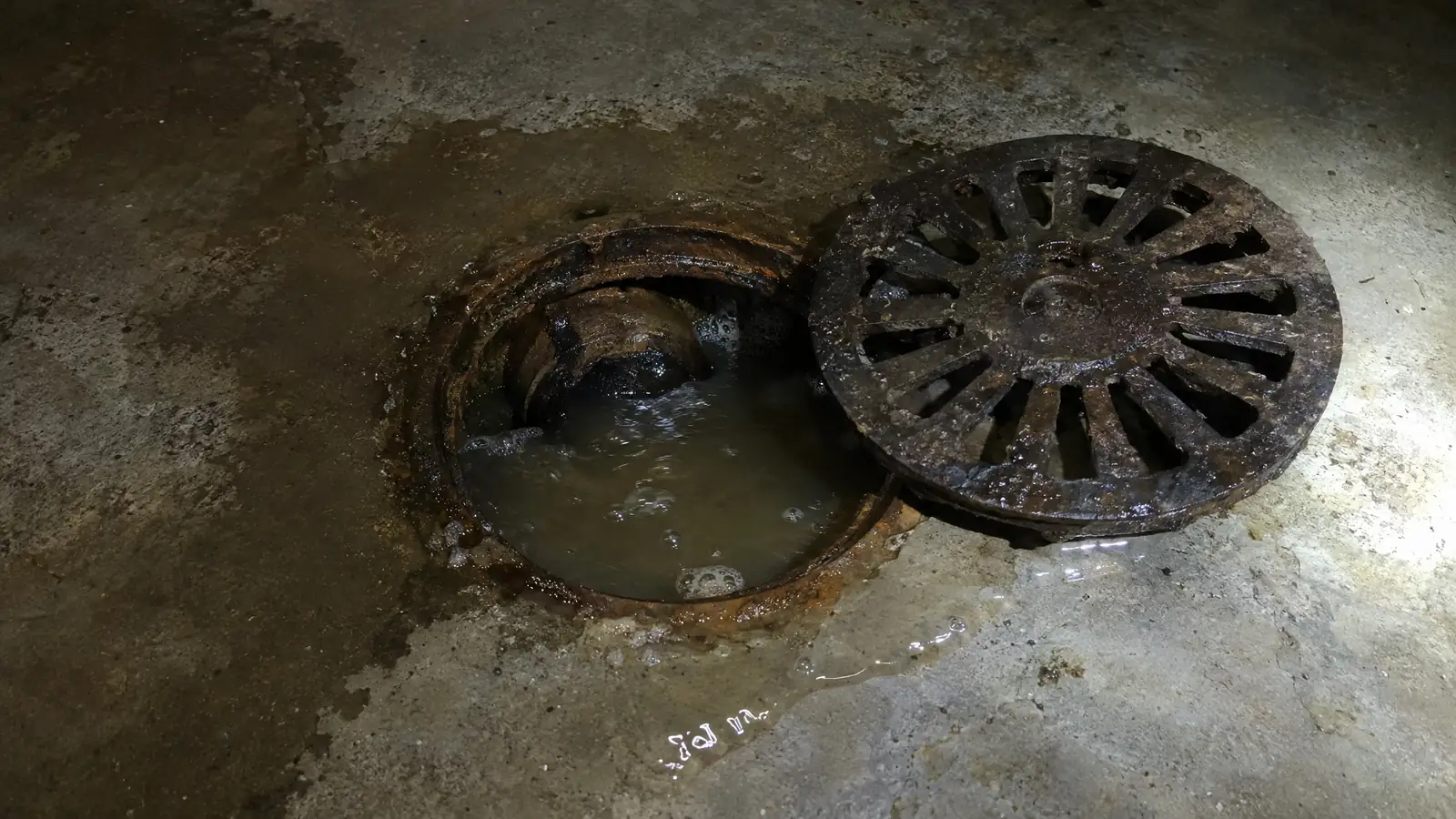
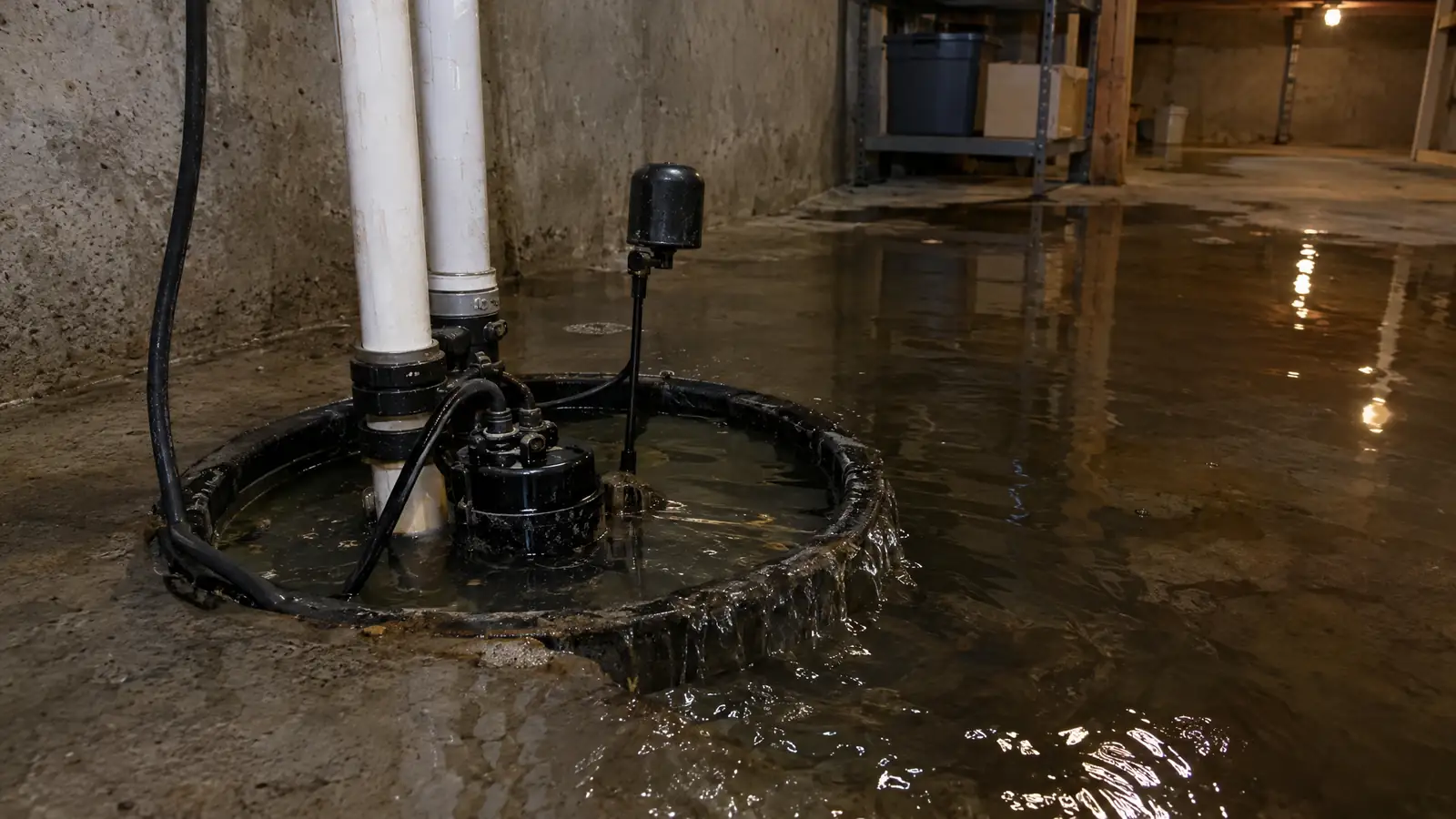
A sump pit collects water from drain tiles around the foundation. A float switch starts the pump when water rises, and the pump sends it out through a discharge pipe.
It is a simple system that does its work out of sight, which is why failures are often discovered during a storm.
Why they fail
The float sticks, the intake clogs with silt, the motor wears out, the check valve fails and lets water drain back, the discharge line freezes or is blocked, or the power goes out when you need it most.
Pumps that run constantly wear out sooner.
Test it
Pour a bucket of water into the pit and watch the pump start, empty the pit and shut off. Listen for odd noises. Check that the discharge exits away from the house and is not frozen or blocked.
Do this a few times a year and before storm season.
Prepare for a storm
Consider a battery backup or a water-powered backup. Replace pumps that are old or noisy. Keep belongings off the basement floor.
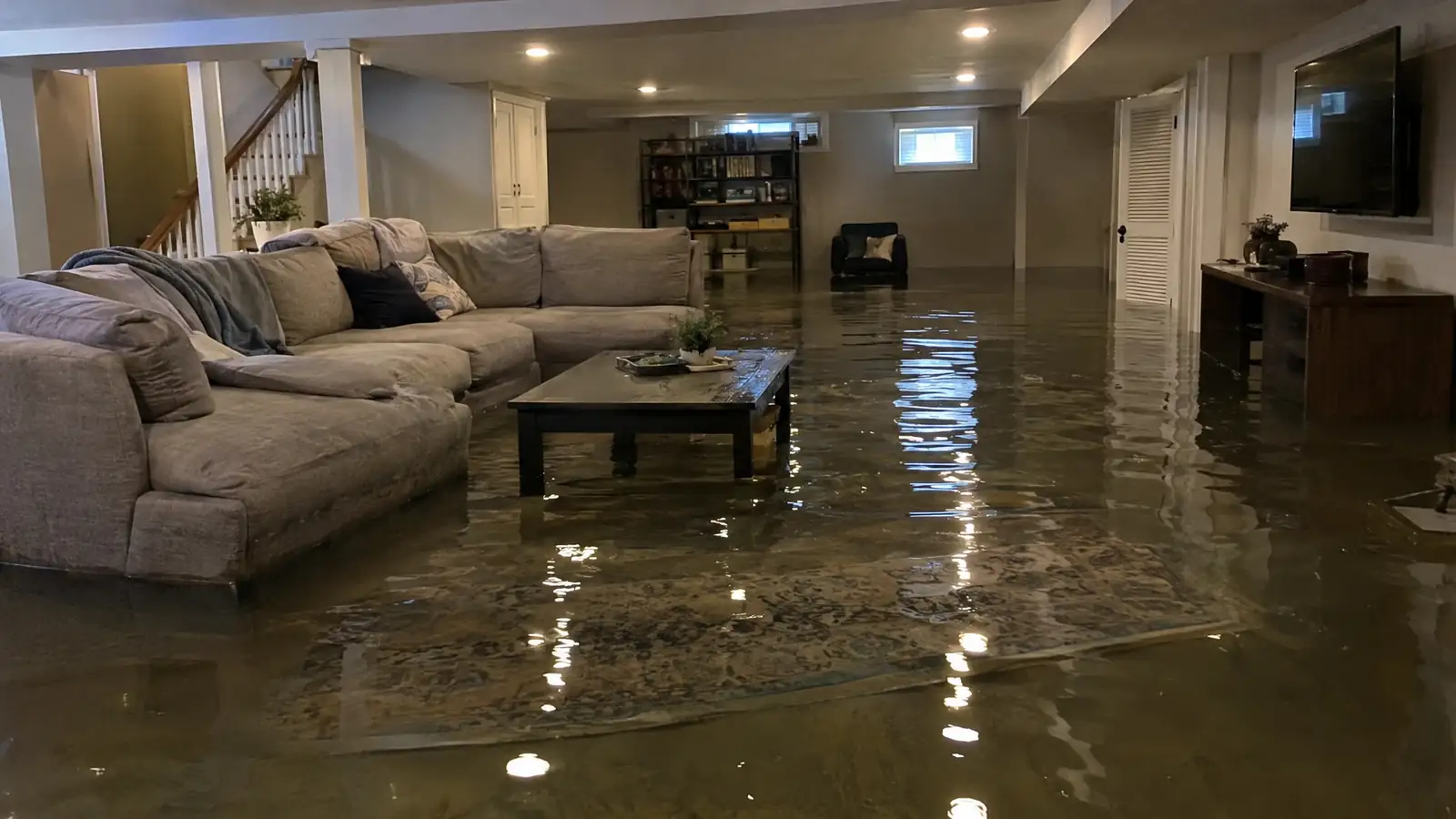
If the pump fails in a storm, call right away and move items out of the way of the water.
Quick answers
How long do sump pumps last?
It varies with use, but many need replacing after several years.
Can I connect the discharge to the sewer?
No. It should not go to the sanitary sewer.
Need help with this right now?
Call (615) 952-0844 any hour, or send the form below. If you smell gas, leave and call 911 and your gas utility first.