Key takeaways
- Sewage carries bacteria and viruses: avoid contact
- Porous materials soaked in sewage are usually discarded
- Keep children, pets and anyone vulnerable away
- Large or deep contamination is a job for professionals
Why it matters
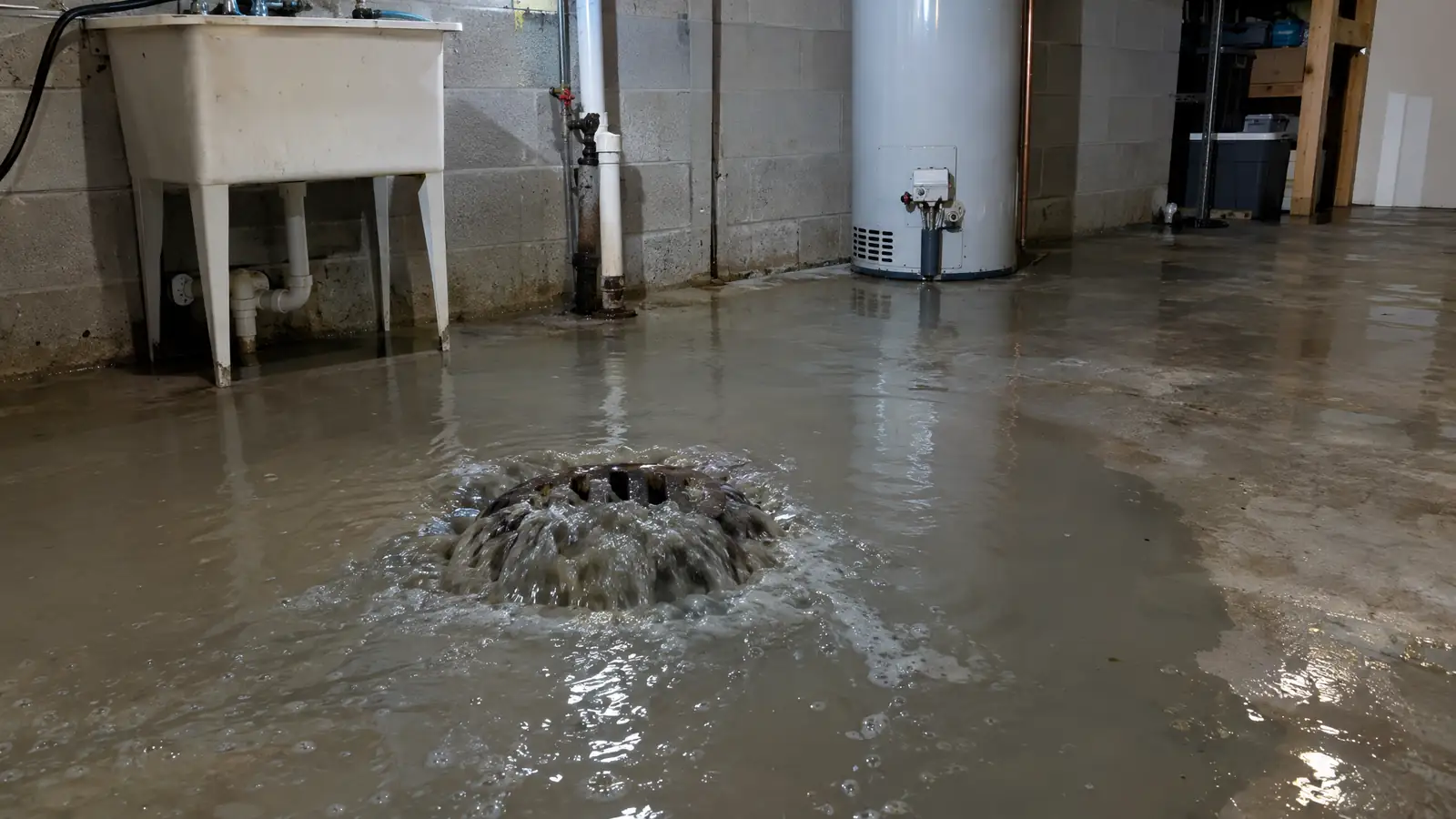
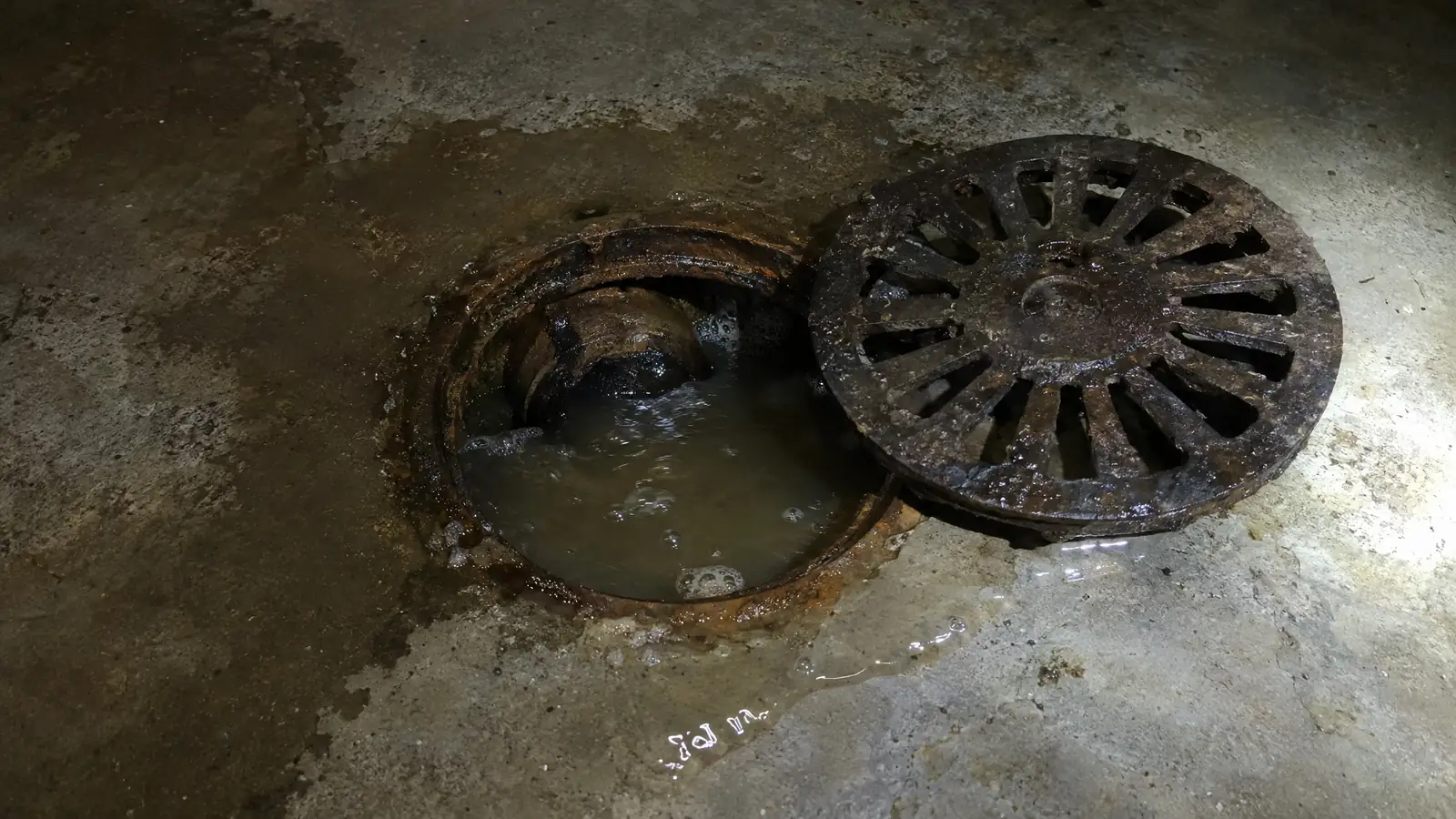
Wastewater contains organisms that can make people ill. The risk is highest through contact with skin, eyes and mouth, and through surfaces that are later touched.
Keep children, pets and anyone with a weakened immune system out of the area.
Protect yourself
Wear waterproof boots, rubber gloves, eye protection and a mask if you must enter. Wash your hands thoroughly after contact. Do not eat, drink or smoke in the area. Wash clothes separately in hot water.
Do not use a household vacuum on wet sewage.
What can be saved
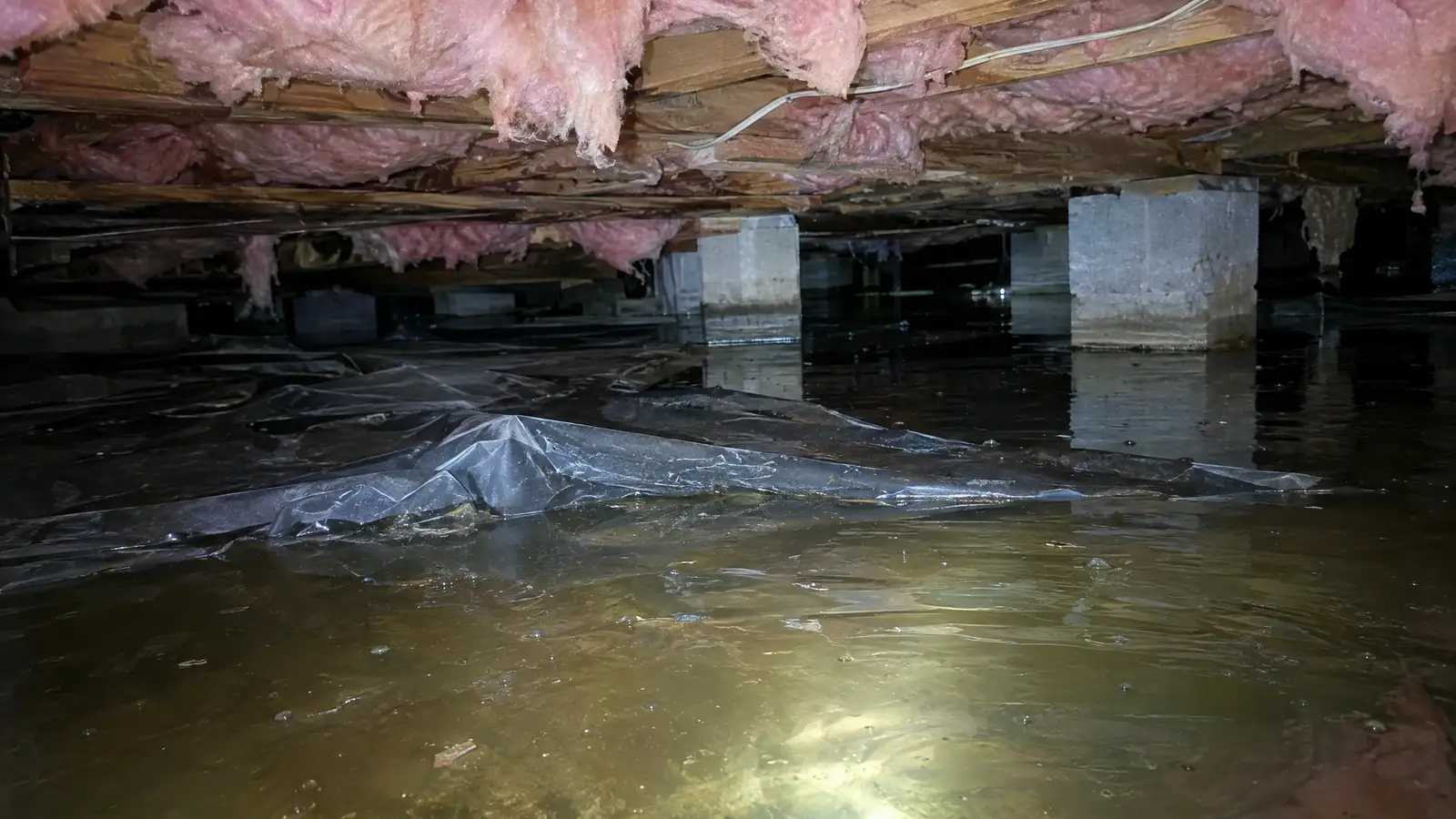
Hard, non-porous surfaces such as tile and sealed concrete can usually be cleaned and disinfected. Porous materials like carpet, padding, drywall, insulation and mattresses that were soaked are normally discarded.
When in doubt, follow guidance from public health authorities and your restoration company.
When to bring in professionals
If the contamination covers a large area, reached walls or HVAC ducts or is deep, a professional cleanup crew is the safer option. They use equipment and disinfectants suited to the job.
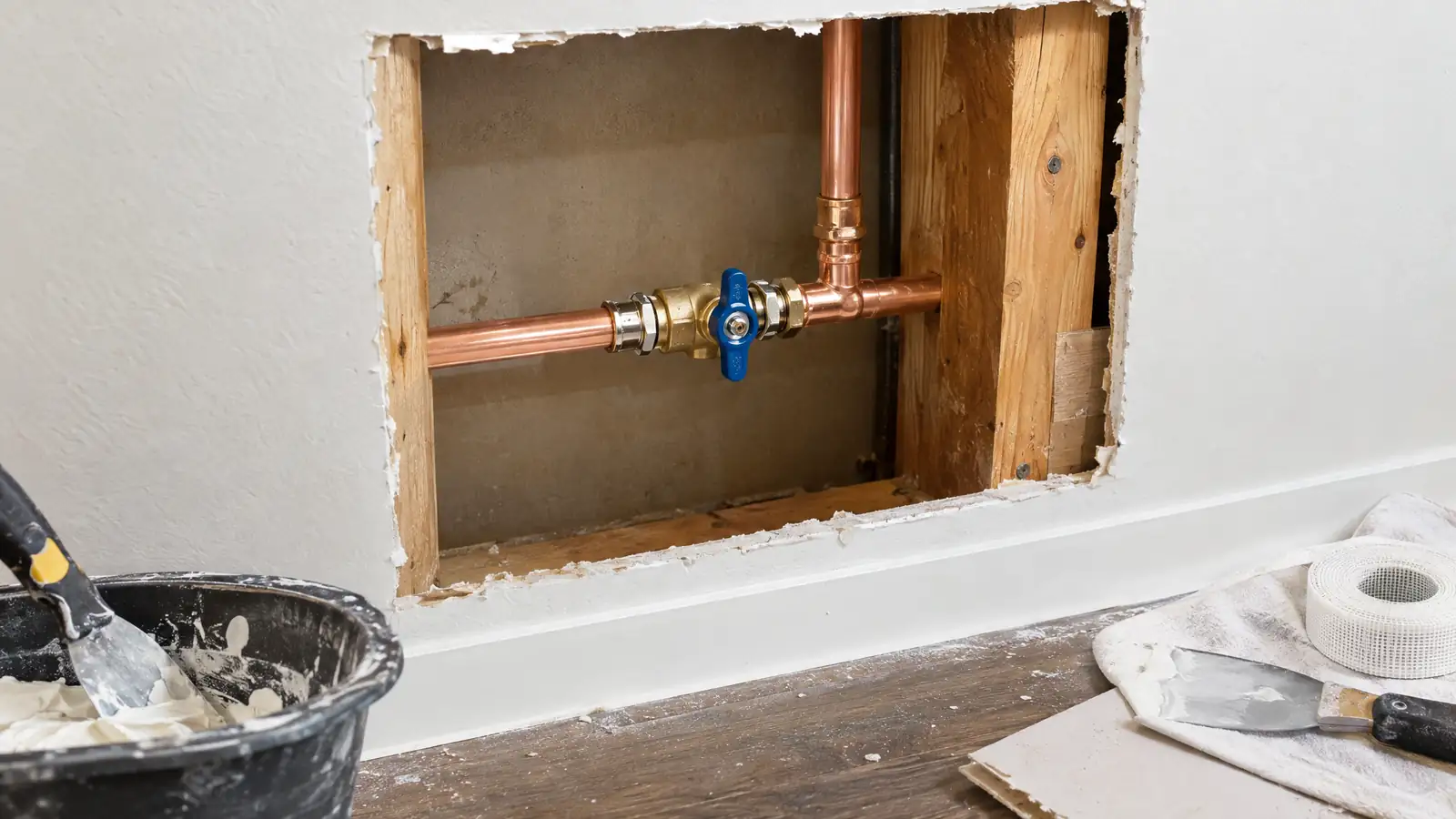
We stop the source and fix the line. Keep photos and receipts for your insurer.
Quick answers
Can I clean it myself?
Small, shallow events on hard surfaces, with protection, yes. Larger ones, no.
Is the air safe?
Ventilate well. If anyone feels ill, leave and get advice.
Need help with this right now?
Call (615) 952-0844 any hour, or send the form below. If you smell gas, leave and call 911 and your gas utility first.