Key takeaways
- Know and test your main shutoff
- Keep grease, wipes and hygiene products out of the drains
- Replace old hoses and test the sump pump
- Act on early warnings
In the kitchen and bath
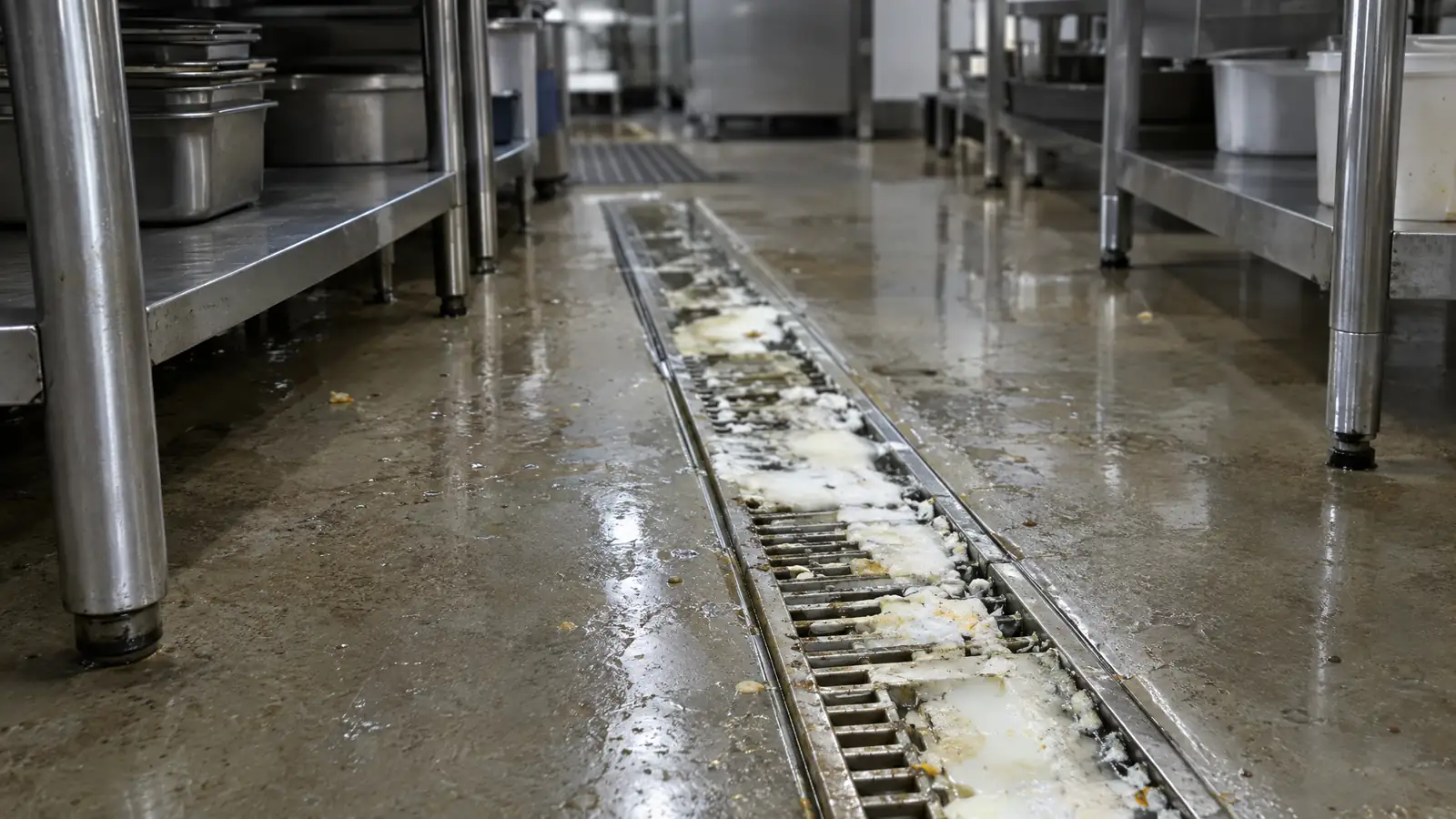
Do not pour grease or oil down the drain. Do not flush wipes, even those labeled flushable, or hygiene products. Use drain screens for showers and sinks. Run cold water with the disposal and avoid fibrous or hard waste.
These habits prevent the most common clogs.
Valves and hoses
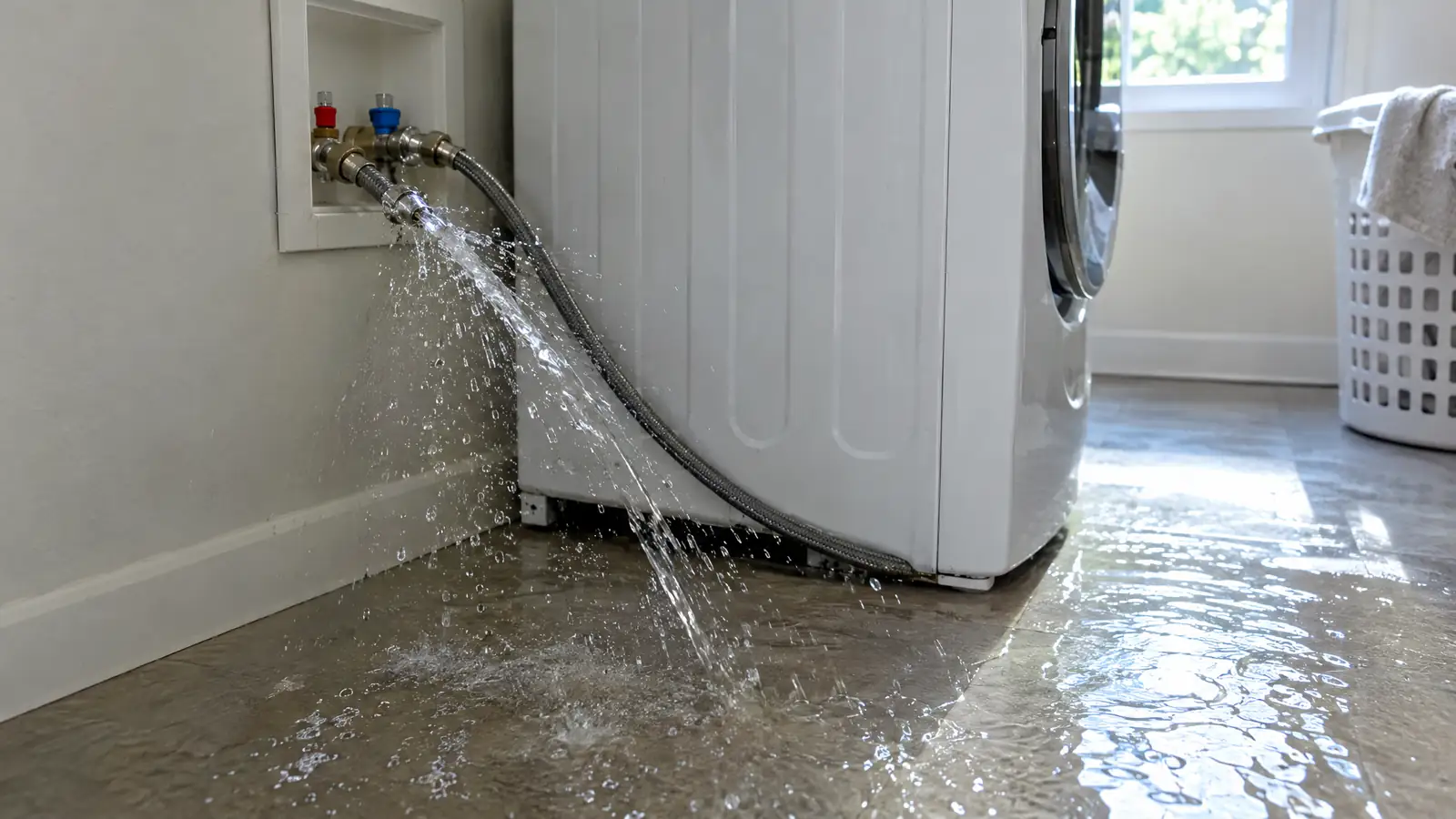
Test the main shutoff and fixture shutoffs once or twice a year. Replace washer hoses and old supply lines. Check under sinks for drips and corrosion. Know where your cleanout is.
Set your water heater to a sensible temperature and look for rust or moisture at its base.
Outside the house
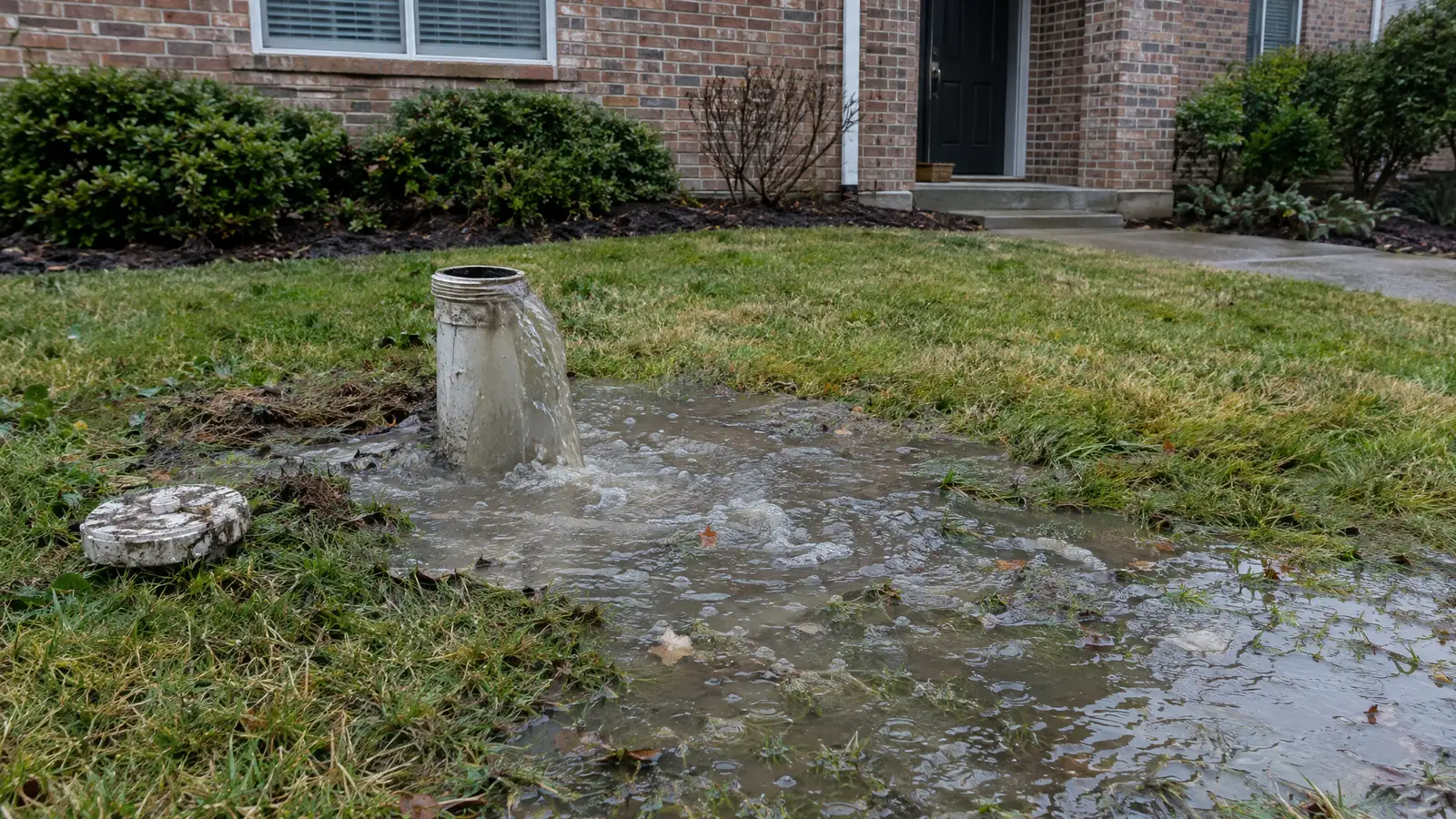
Keep gutters and downspouts clear and discharging away from the house. Keep yard drains clear. Disconnect hoses before freezing weather and insulate exposed pipes. Be cautious about planting trees near the sewer line.
Call 811 before digging.
Early warnings
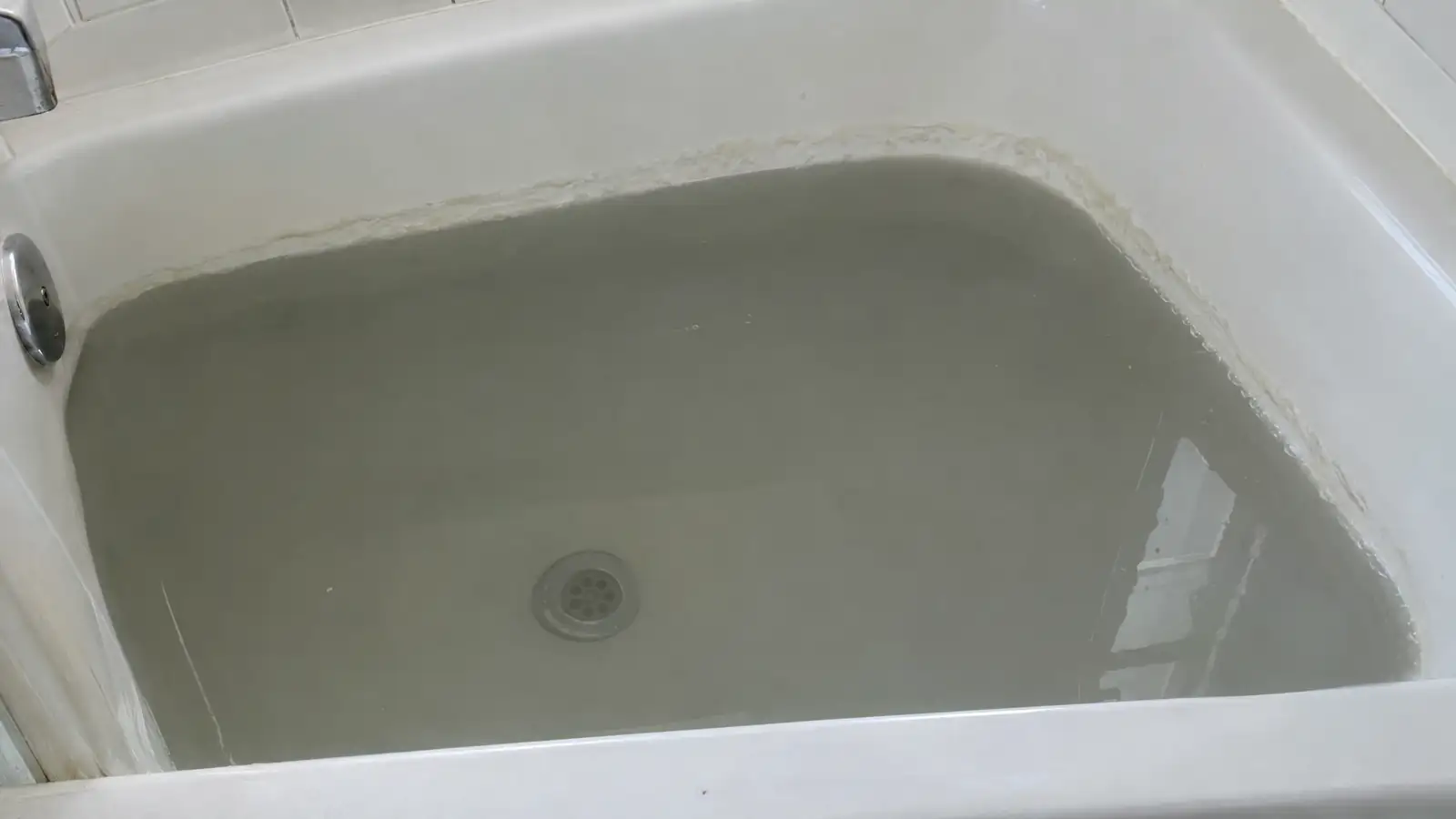
Slow drains, gurgling, a musty smell, a rising water bill, a toilet that needs two flushes and damp cabinets are all hints. A quick visit now is cheaper than an emergency later.
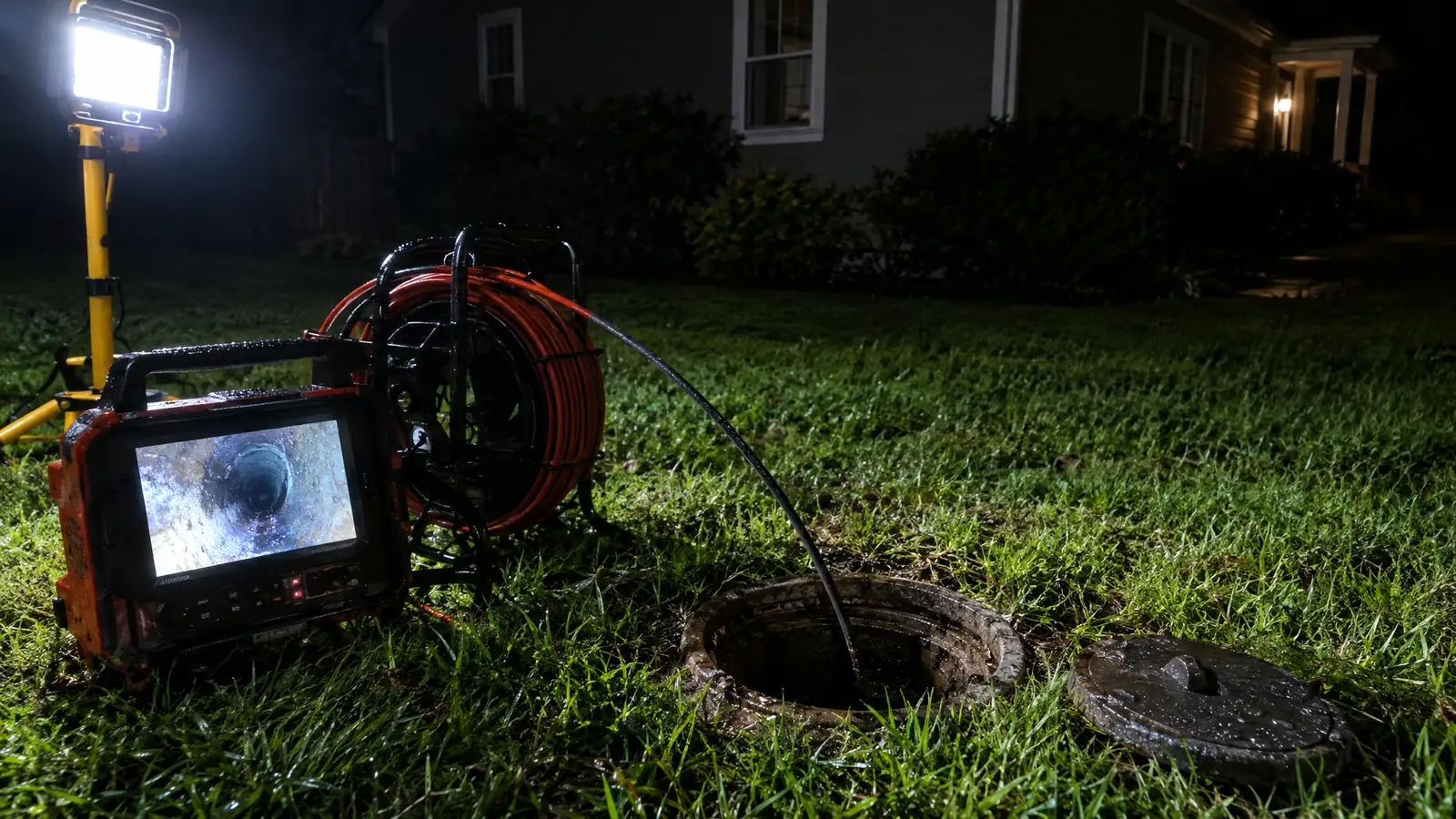
If the same drain clogs more than once, ask for a camera inspection.
Quick answers
Are flushable wipes really flushable?
They are a common cause of clogs. The safe rule is to put them in the trash.
How often should I have the line cleaned?
It depends on the pipe and the history. A camera tells you.
Need help with this right now?
Call (615) 952-0844 any hour, or send the form below. If you smell gas, leave and call 911 and your gas utility first.