Key takeaways
- A backwater valve is a one-way valve in the sewer line
- It protects against flow coming back from the main
- It does not clear blockages in your own line
- It needs periodic maintenance
What it does
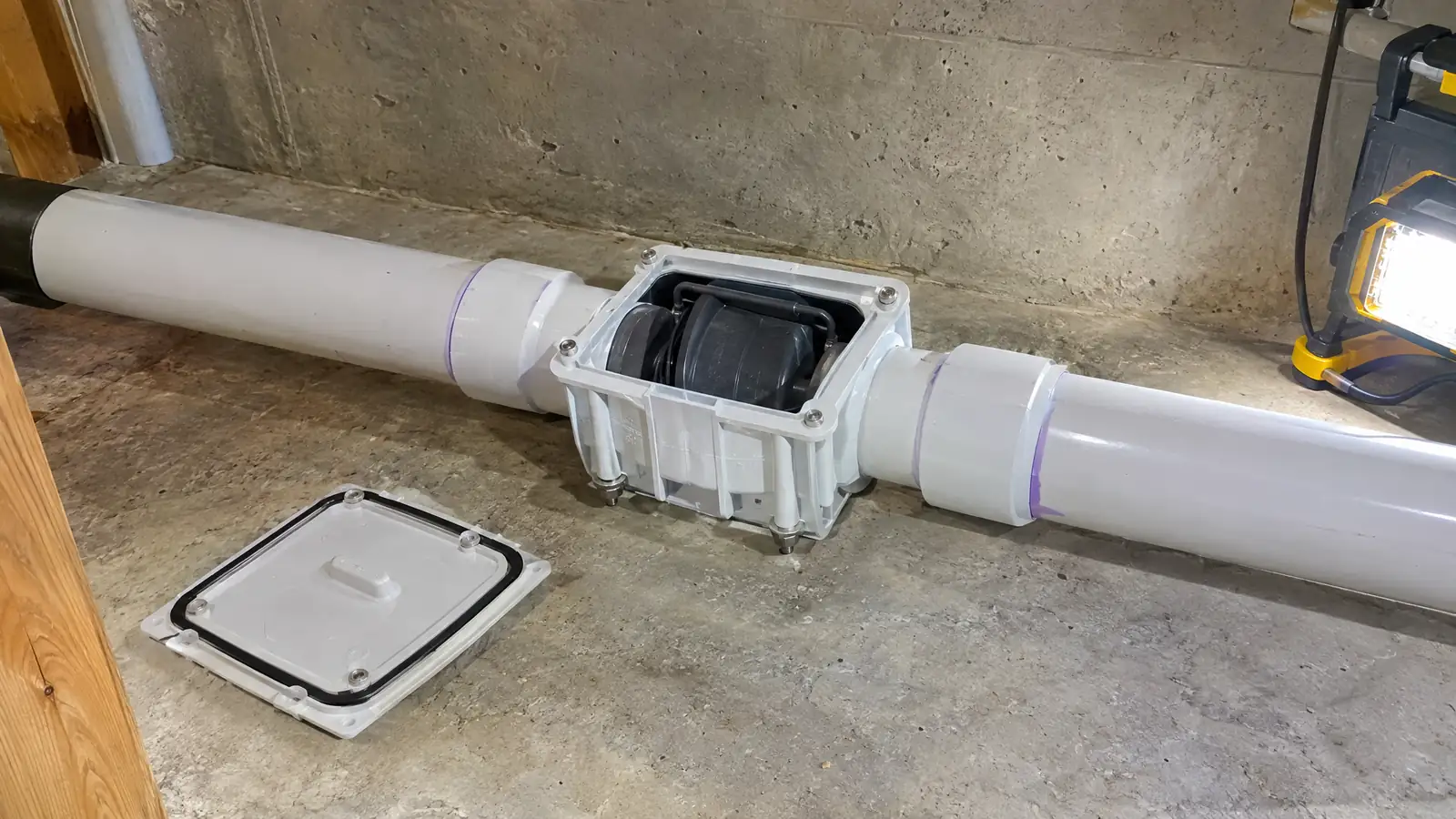
A backwater valve contains a flap that lets wastewater flow out of the house but closes if flow reverses. If the public sewer surcharges, the flap shuts and keeps it out of your lowest drains.
It is most relevant for homes with fixtures below the street level or in areas that have had surcharges.
What it cannot do
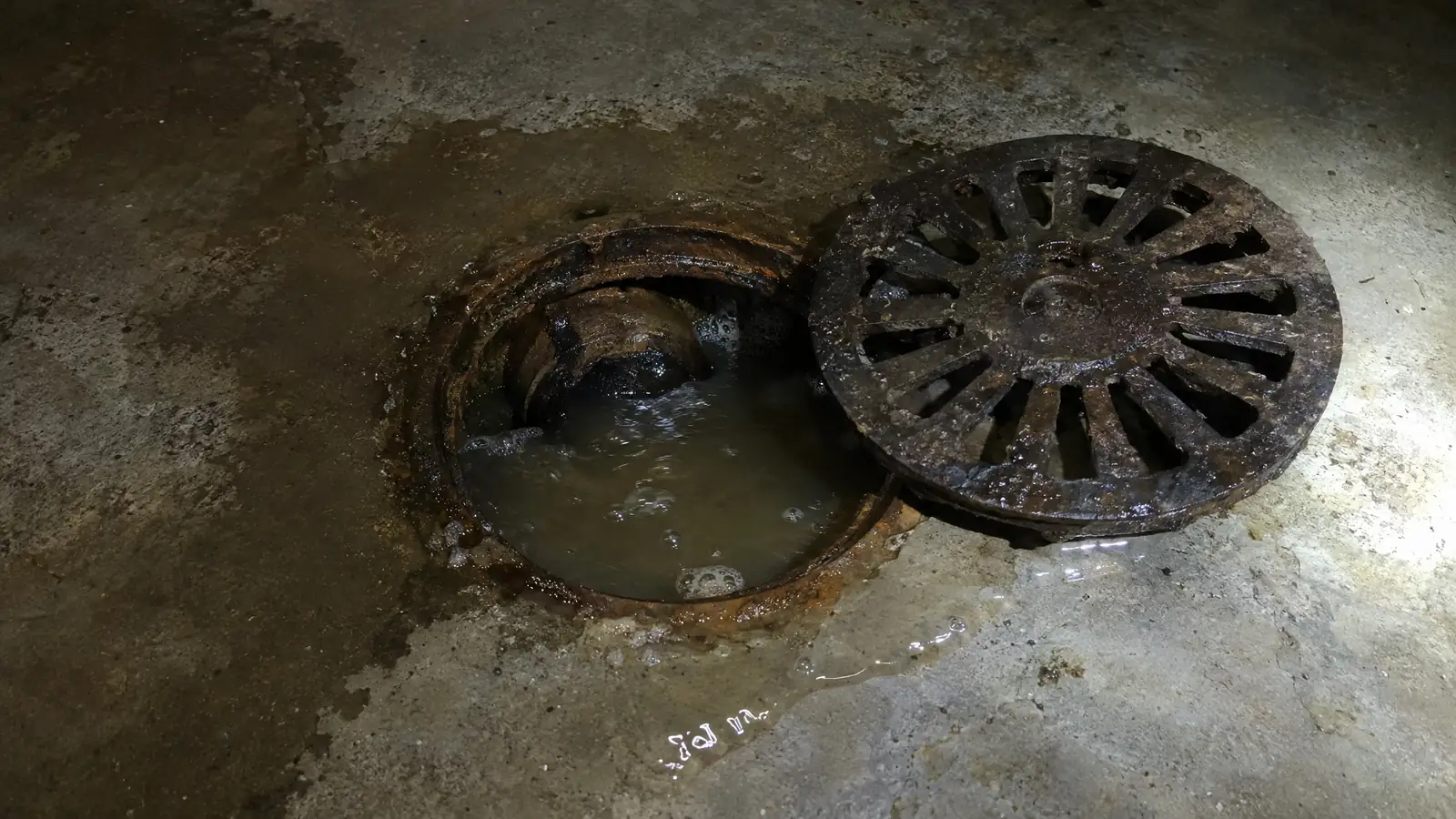
It cannot clear a blockage in your own line. If your line is blocked, wastewater has nowhere to go and will still back up behind the valve. It also needs to be kept clean to work.
It is one part of a prevention plan.
Installation and care
Installation involves cutting into the sewer line, often in a basement floor or an outdoor access pit, and may need a permit. Valves need an accessible cover and should be inspected and cleaned periodically.
A plumber can tell you whether your home is a candidate.
Other prevention
Keep your own line clear, avoid grease and wipes, watch for roots and consider a camera inspection of older lines. Check your insurance for sewer backup coverage.
Our prevention checklist has more.
Quick answers
Do I need one?
It depends on your home and history. Ask a plumber about your situation.
Will it stop all backups?
No. It prevents backflow from the main, not blockages in your own line.
Need help with this right now?
Call (615) 952-0844 any hour, or send the form below. If you smell gas, leave and call 911 and your gas utility first.