Key takeaways
- Freezes split pipes; storms overload drains; heat stresses water heaters and sprinklers
- Prepare before the event: insulation, sump test and clear drains
- Know the main shutoff
- Keep emergency numbers handy
Hard freezes
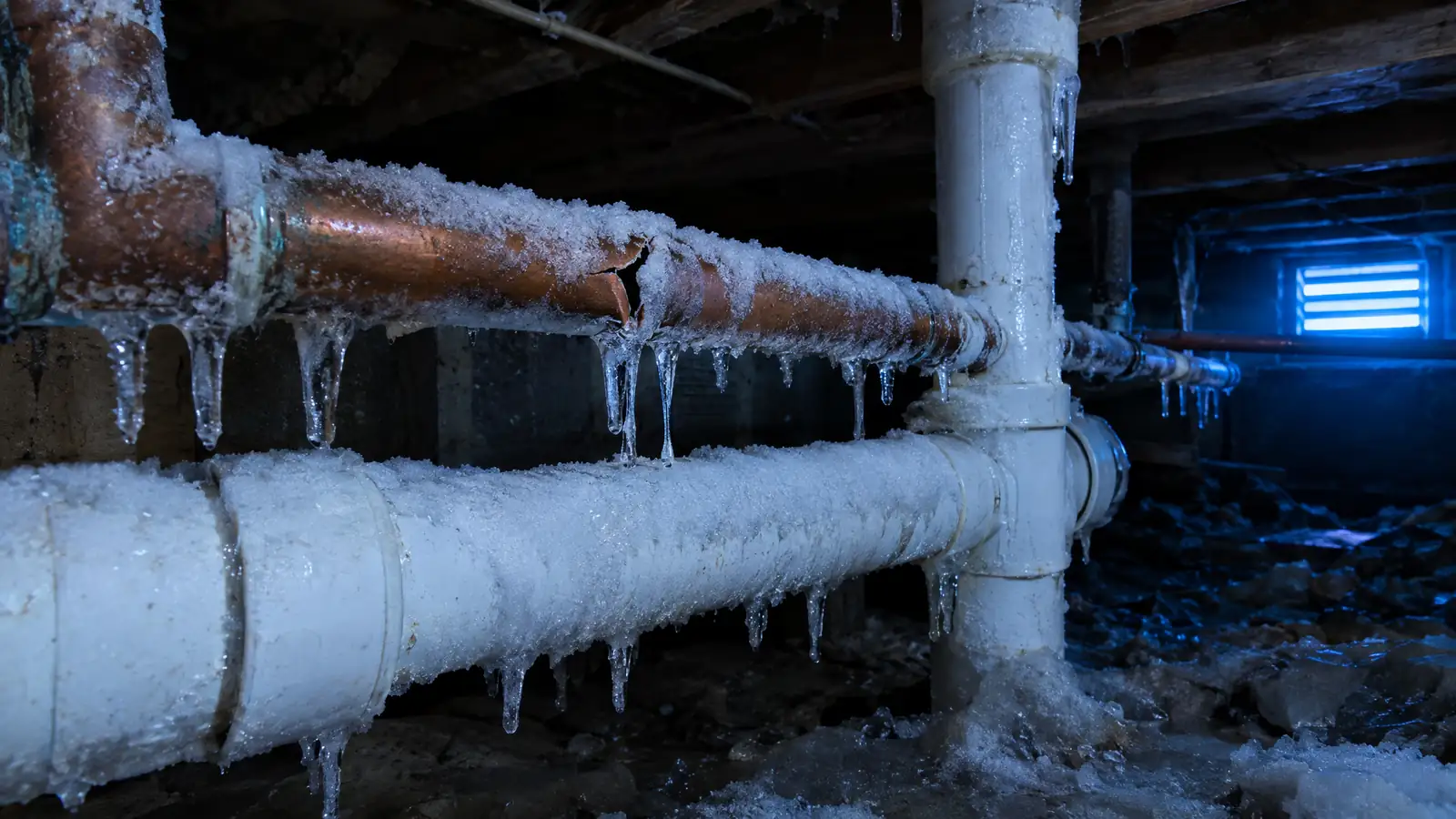
Insulate exposed pipes, disconnect hoses, open cabinet doors on exterior walls and let a faucet drip. Know the main shutoff in case a pipe splits. Keep the heat on if you leave.
If the water stops, a pipe may be frozen. Thaw it slowly and never use a flame.
Heavy storms
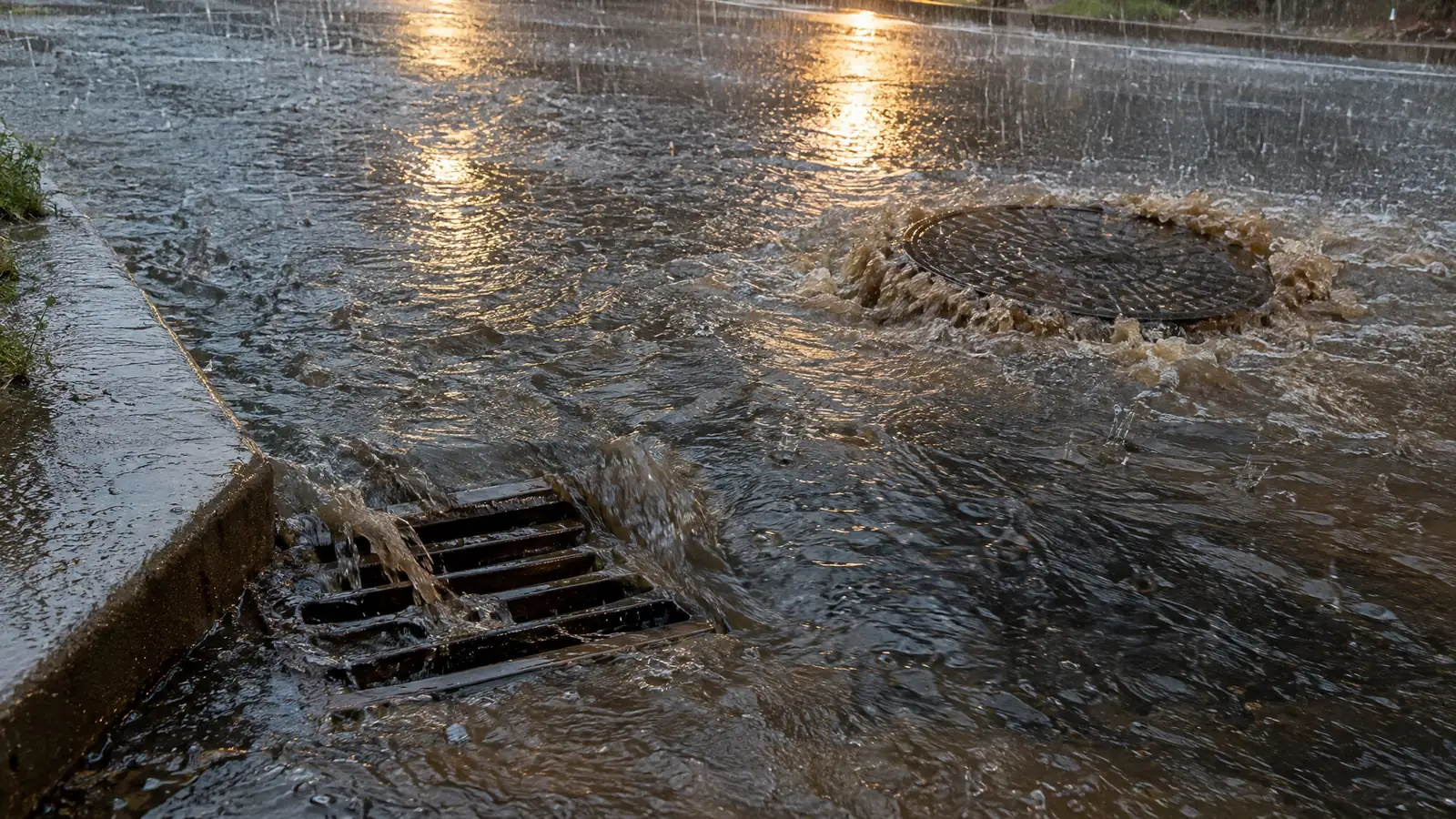
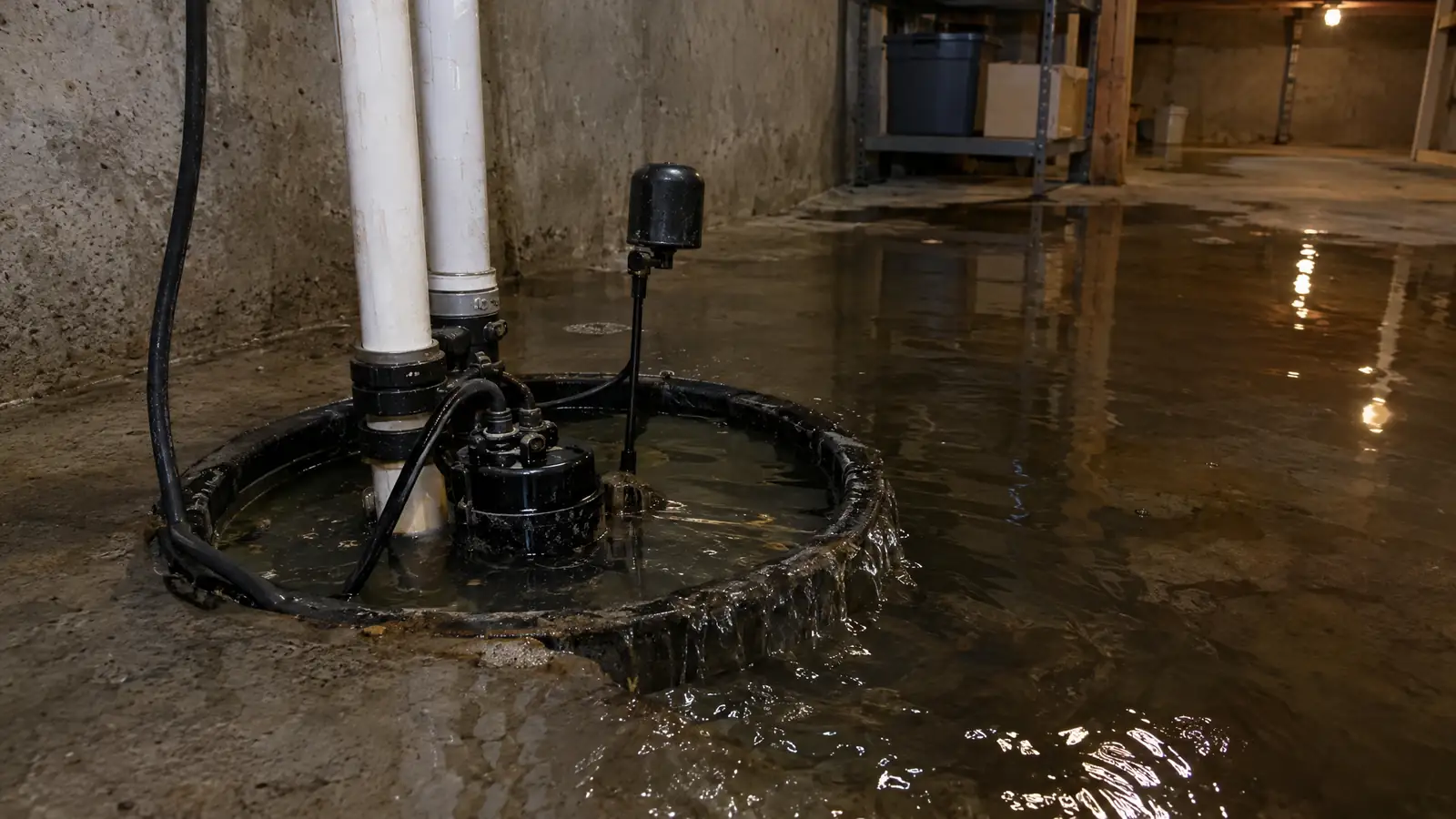
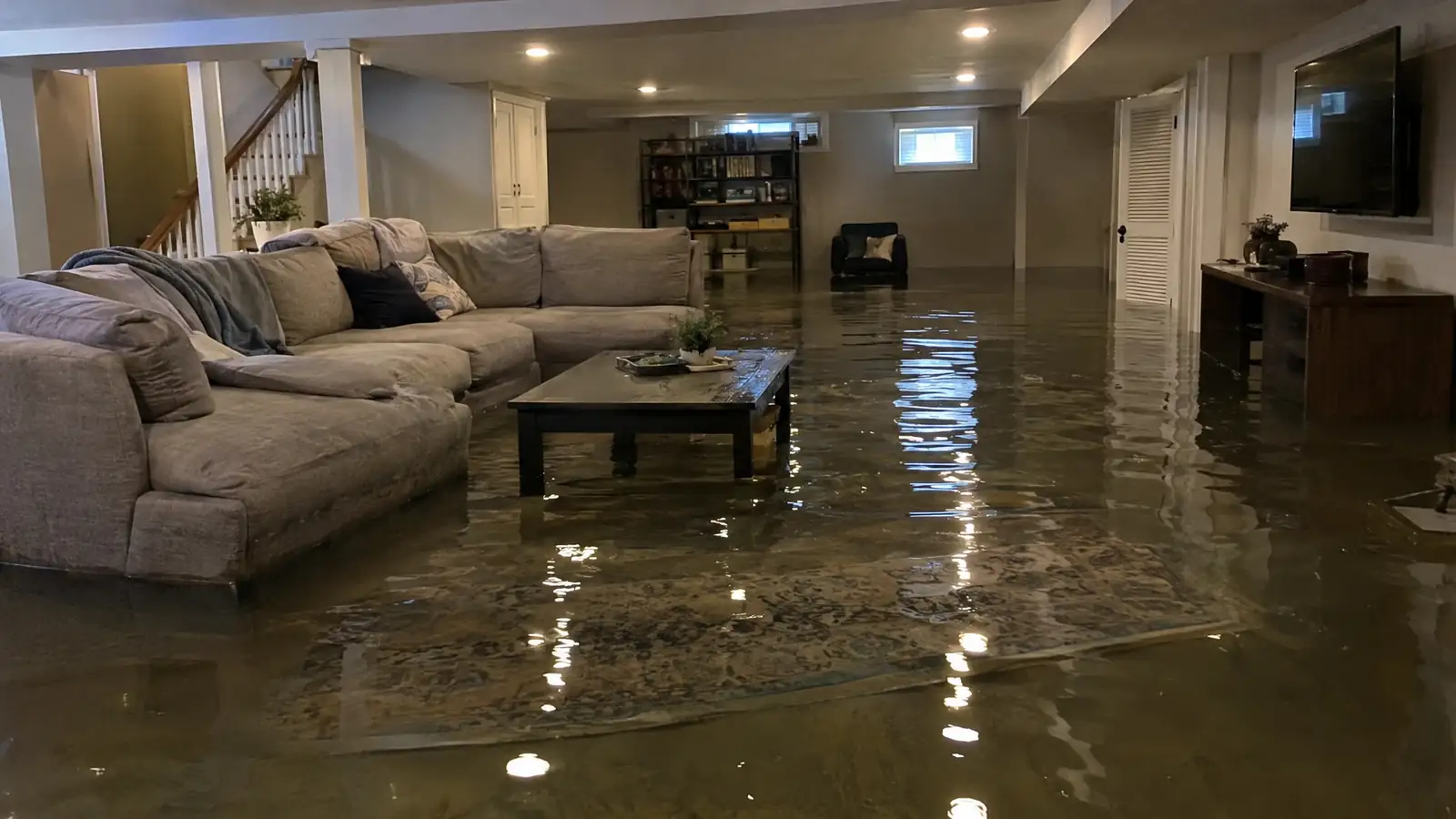
Clear gutters and yard drains, test the sump pump and keep valuables off the basement floor. If sewers surcharge, backups can come up floor drains. A backwater valve can help.
If the power goes out, a sump pump without a backup stops working.
Heat waves
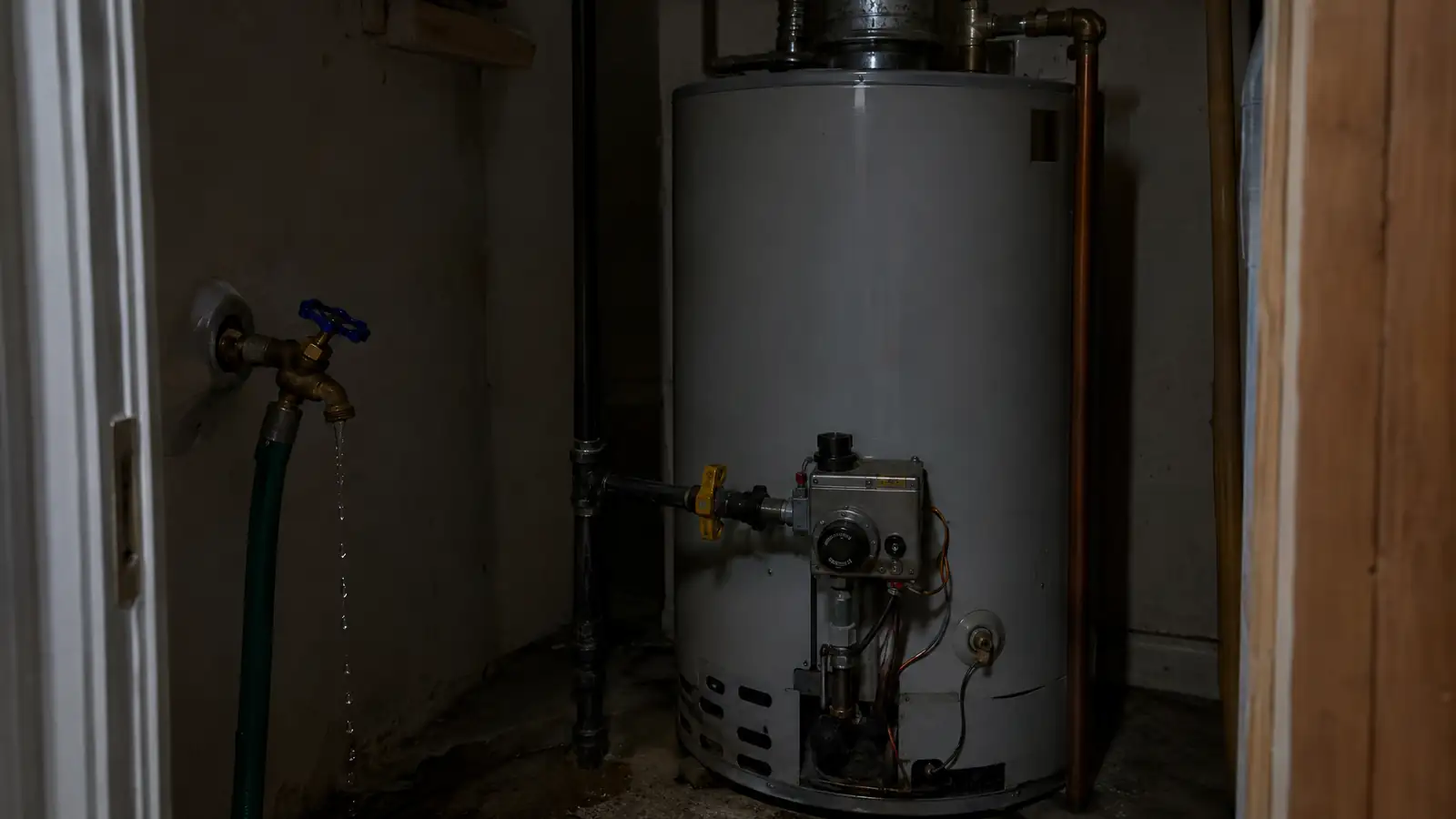
High demand and heat can stress water heaters, irrigation lines and older pipes. Check the water heater for leaks and keep the relief valve clear. Watch for pressure changes.
Do not ignore wet spots in the yard.
Be ready
Keep a flashlight, towels, a bucket and the plumber’s number somewhere easy. Take a minute to check the main shutoff.
Our Emergency Plumbing Kit guide lists the basics.
Quick answers
What temperature freezes pipes?
Pipes in exposed locations can freeze when the temperature stays below freezing for several hours, sooner with wind.
Should I shut off water when I leave in winter?
It can help. Ask a plumber about draining the system.
Need help with this right now?
Call (615) 952-0844 any hour, or send the form below. If you smell gas, leave and call 911 and your gas utility first.