Key takeaways
- Carbon monoxide is odorless and can be deadly
- Gas appliances need proper venting
- Install CO alarms on each level and near bedrooms
- Signs of trouble: soot, a yellow flame, a rumbling heater
The risk
Carbon monoxide, CO, is produced when fuel burns without enough air. It has no smell and no color. A blocked flue or poorly vented gas appliance can fill a home with it.
Symptoms include headache, dizziness, nausea and confusion. If you suspect CO, get everyone outside and call 911.
Water heaters and CO
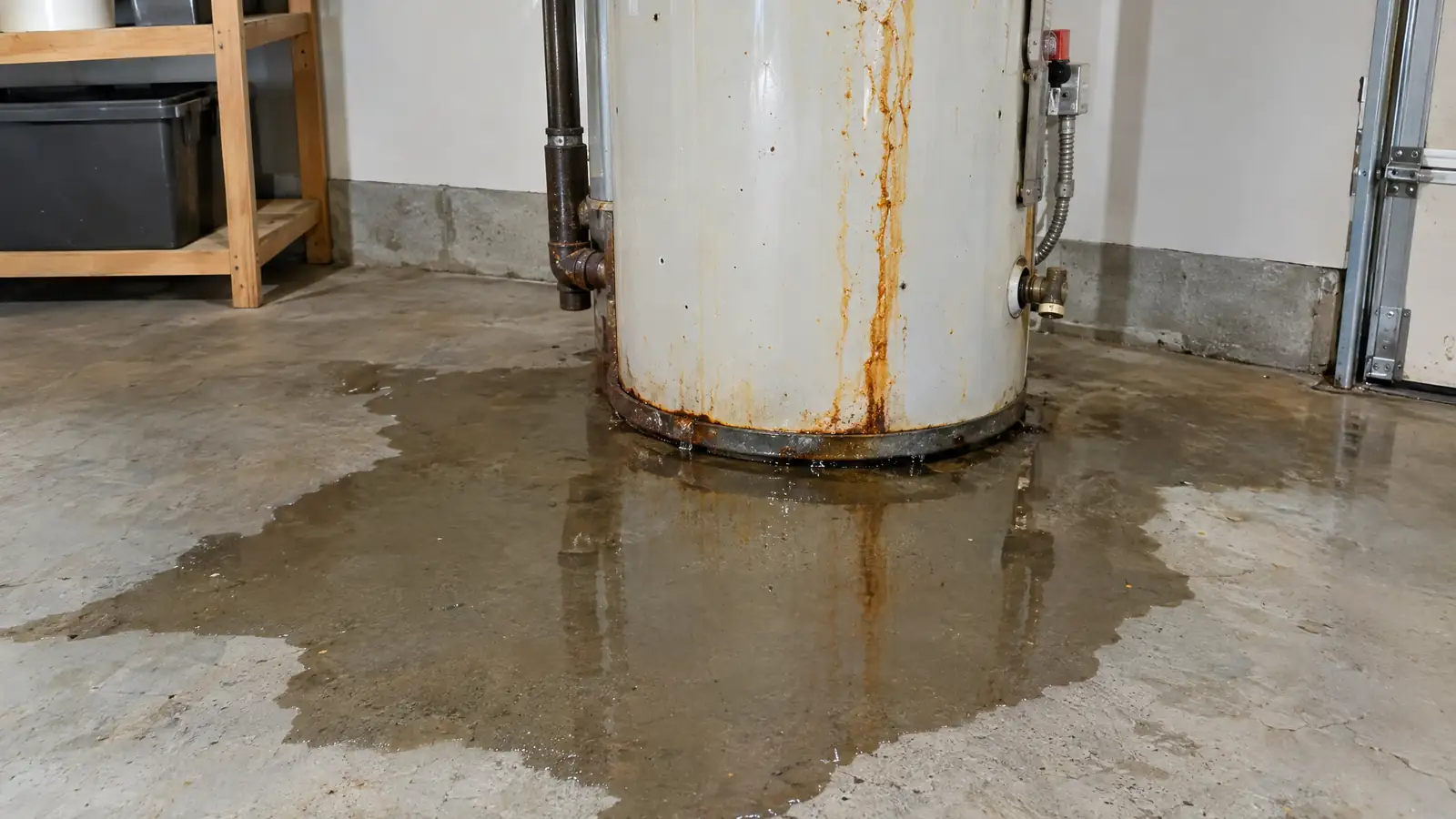
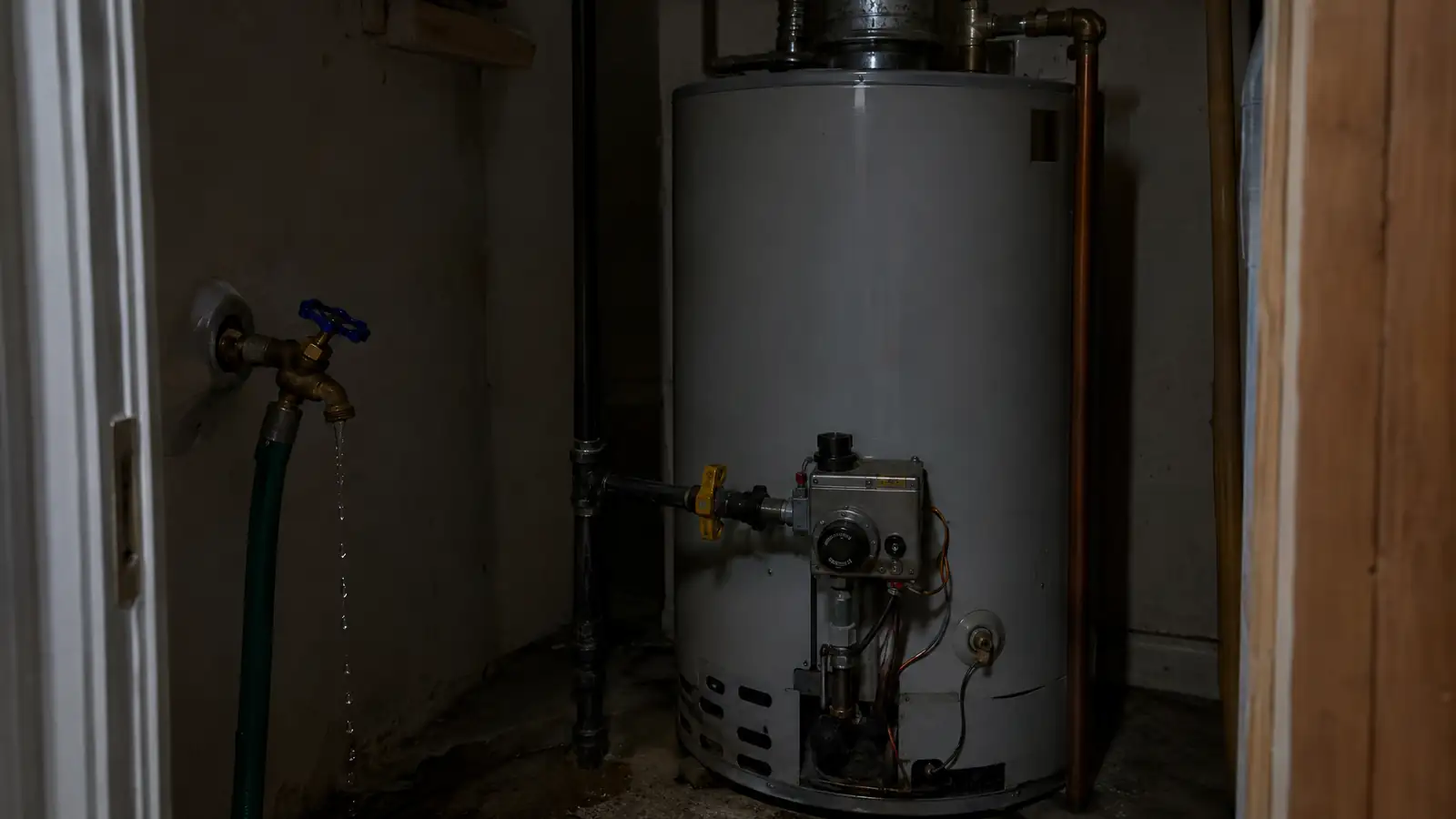
Gas water heaters vent combustion gases up a flue. If the flue is blocked, disconnected or has a bad draft, the gases can enter the room. Soot around the heater, a yellow or orange flame, a pilot that keeps going out and a rumbling tank are warnings.
Do not store flammables near the heater.
Alarms
Install CO alarms on every level of the home and outside sleeping areas. Test them regularly and replace them according to the maker’s guidance.
An alarm is not a substitute for fixing a faulty appliance.
What to do
If an alarm sounds or you have symptoms, leave and call 911. Do not go back in until it is declared safe. Have the heater and flue inspected by a qualified professional before using it again.
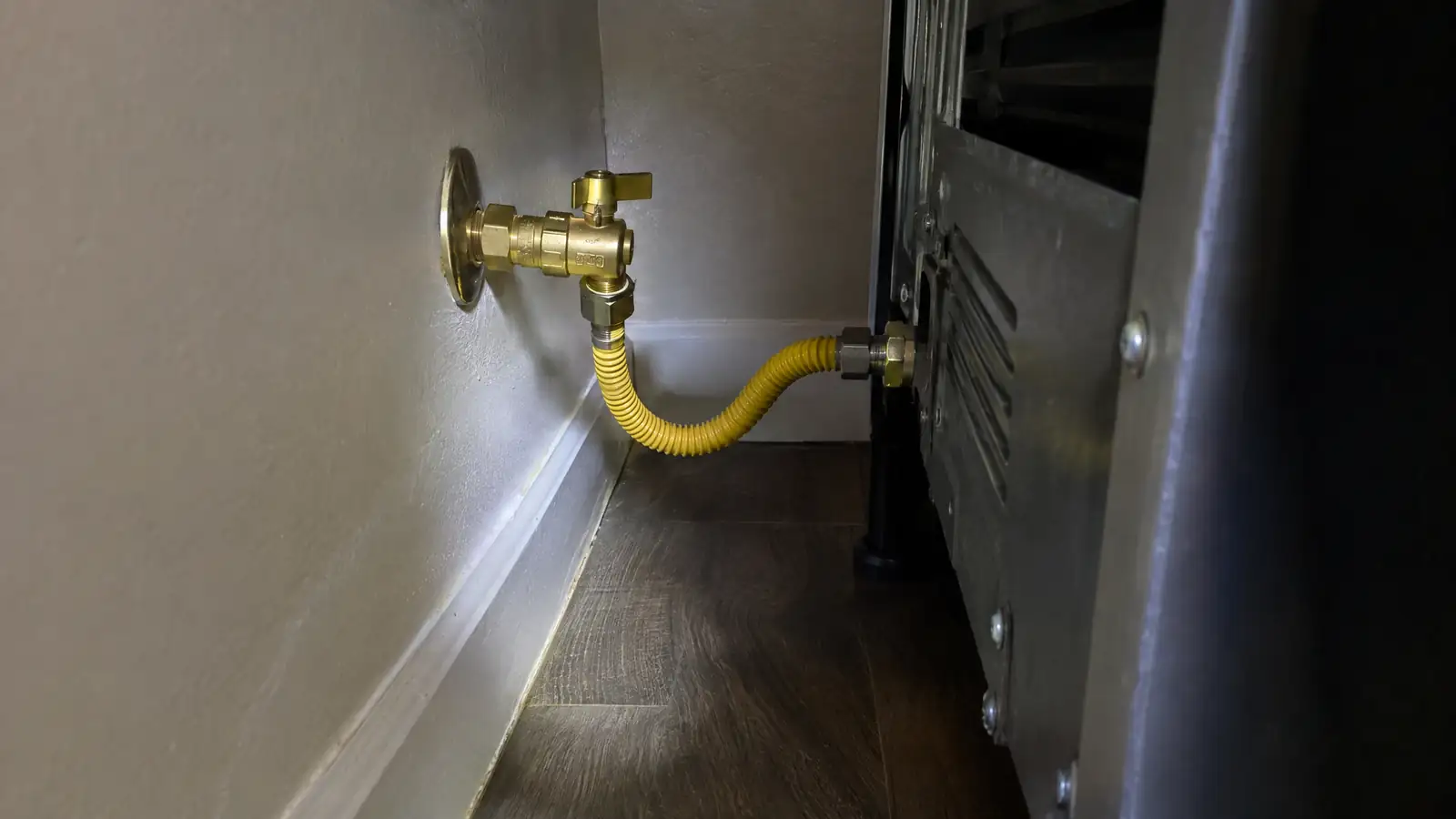
We help with plumbing and connections once the home is safe.
Quick answers
Do electric heaters produce CO?
No. CO comes from burning fuel.
How often should I check my heater?
Have gas appliances inspected on a regular schedule and after any problem.
Need help with this right now?
Call (615) 952-0844 any hour, or send the form below. If you smell gas, leave and call 911 and your gas utility first.