Key takeaways
- Know where your main shutoff is before you need it
- A flashlight, gloves and towels are the basics
- Keep the plumber’s number somewhere you can find in the dark
- Test the shutoffs once a year
What to keep together
A flashlight or headlamp with fresh batteries, rubber gloves, a few old towels, a bucket, a plunger, a roll of plastic sheeting and a marker for labeling valves. A battery-powered radio or a charged power bank can also help in a storm.
Keep it in a spot you can reach even with water on the floor: a closet shelf, not the basement floor.
Know your valves
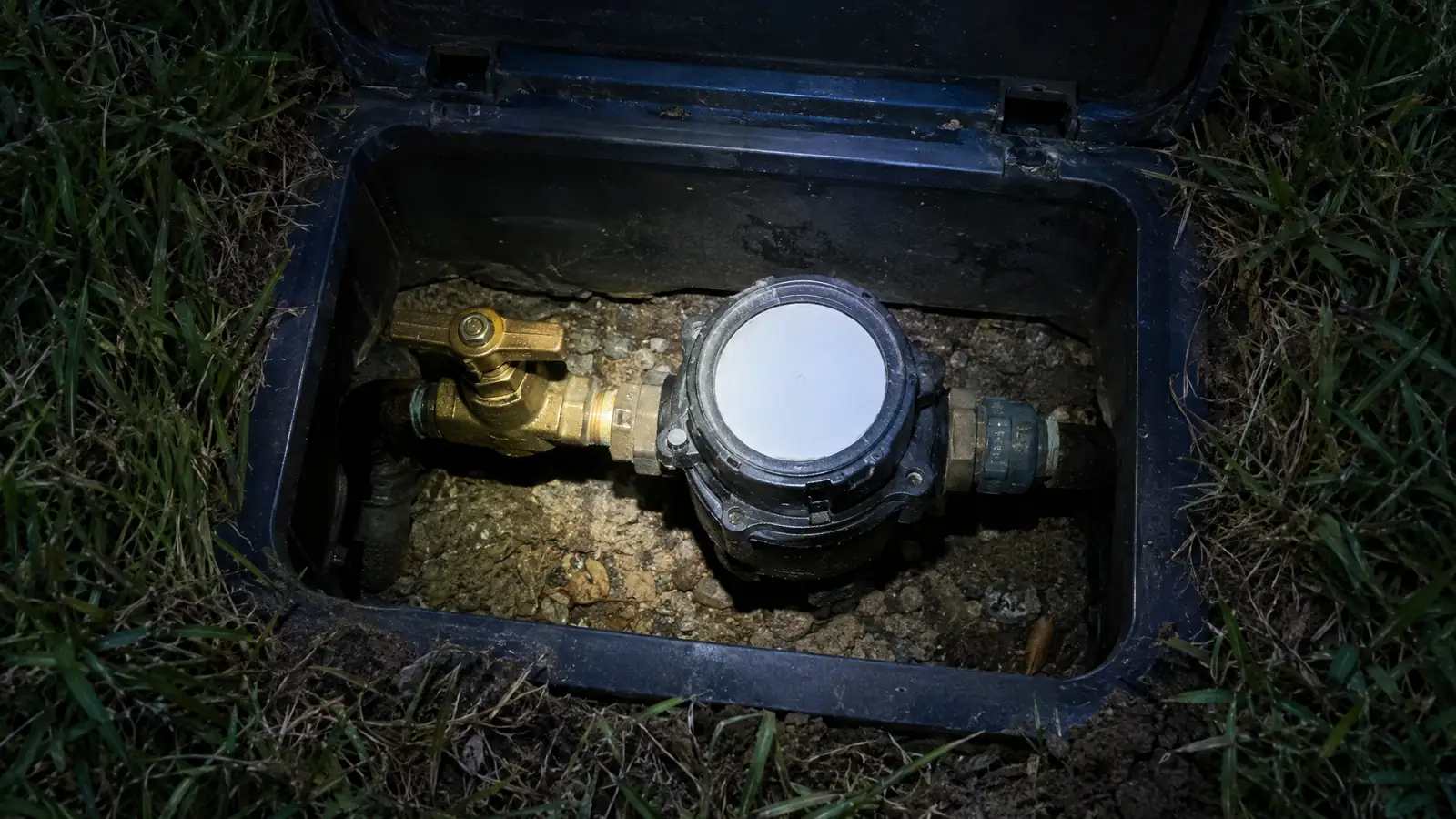
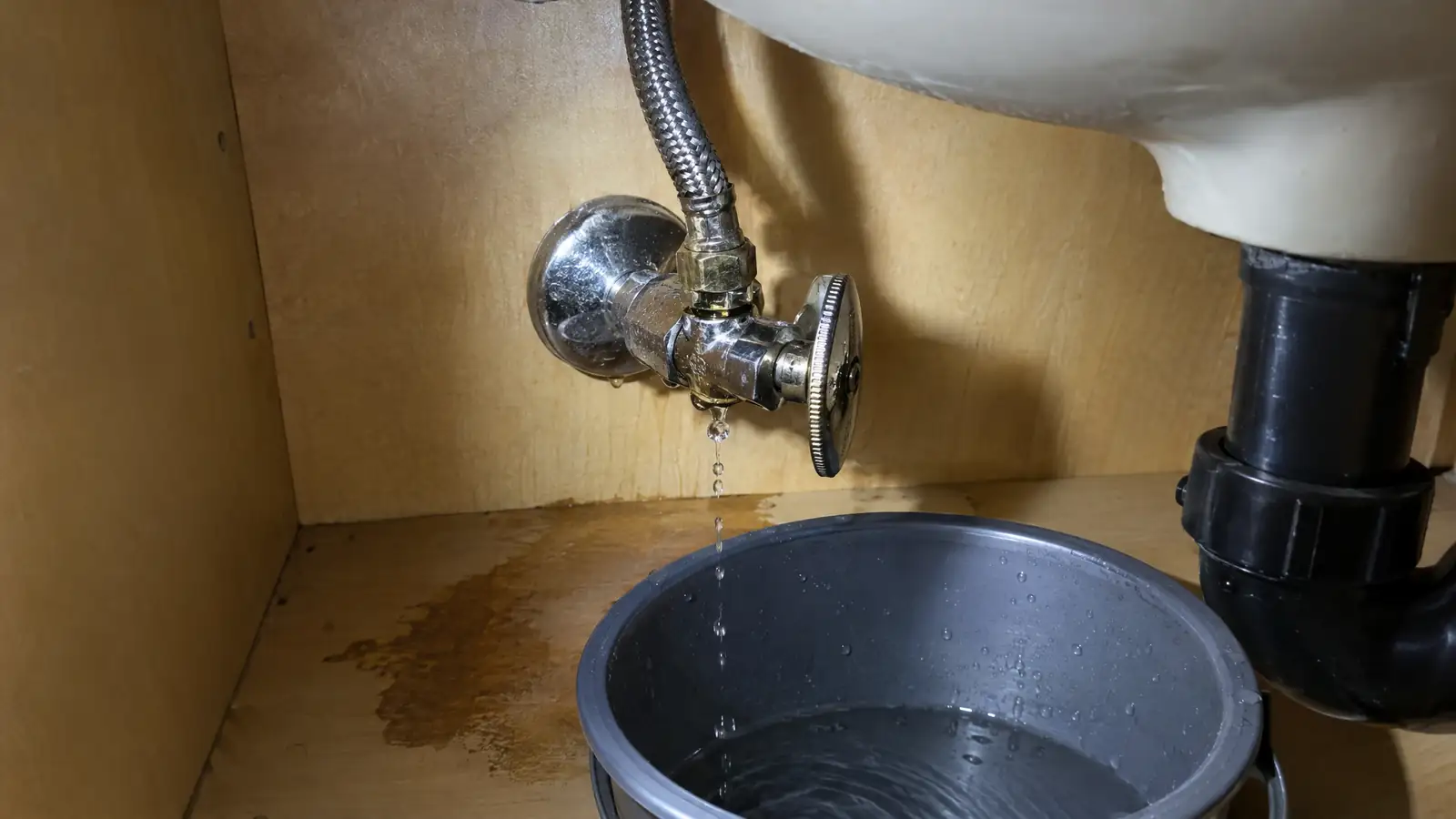
Find your main water shutoff and test it. Label it with a tag. Find the shutoff for each toilet and sink, the water heater supply valve and, if you have a sump pump, the circuit that powers it.
The Water Shutoff Finder shows the usual places to look.
Write it down
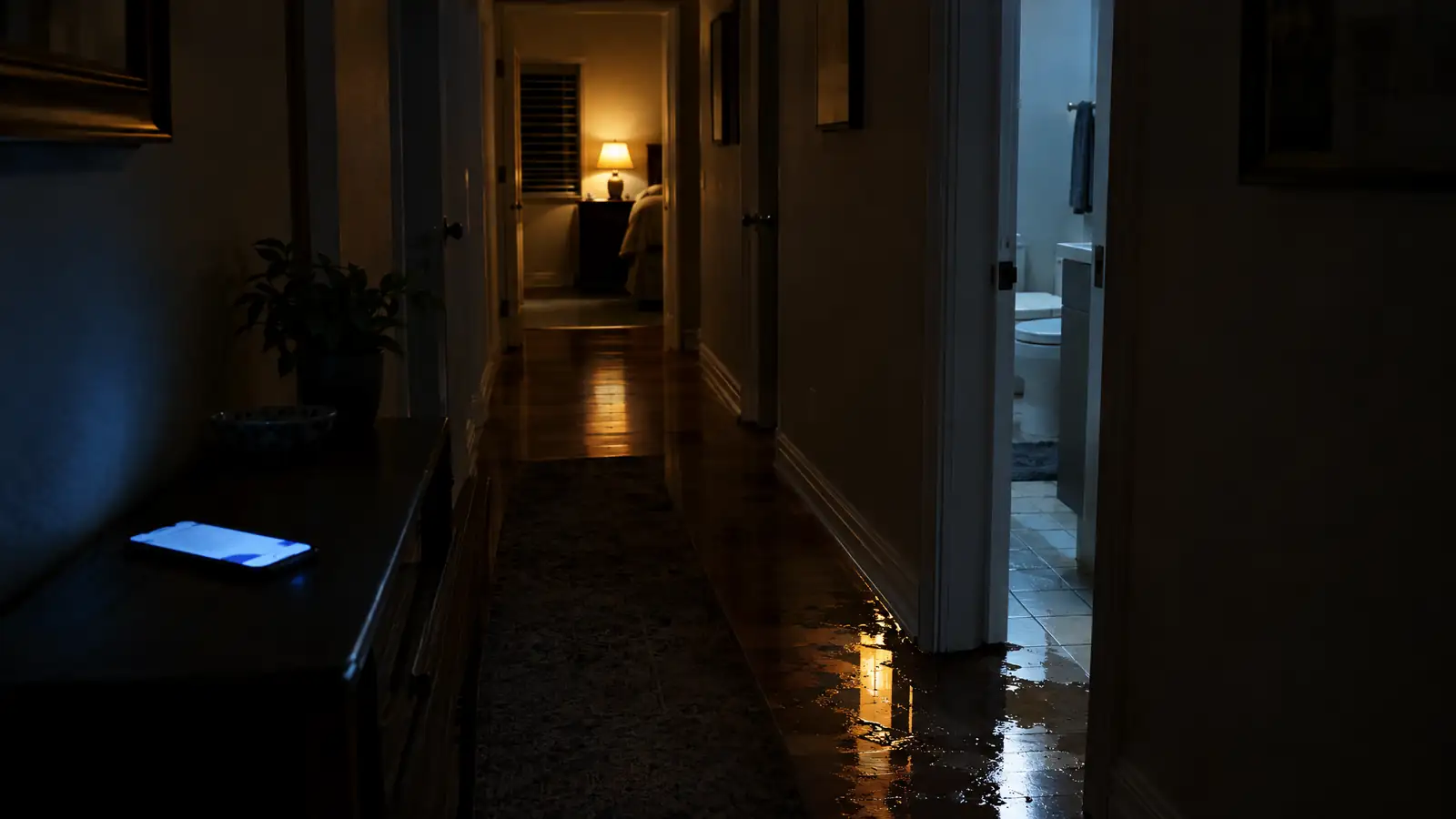
Put the plumber’s number, your insurer’s claim line and your water utility’s number on a card taped inside a cabinet door. In a flood, your phone may be low on battery or you may not want to scroll.
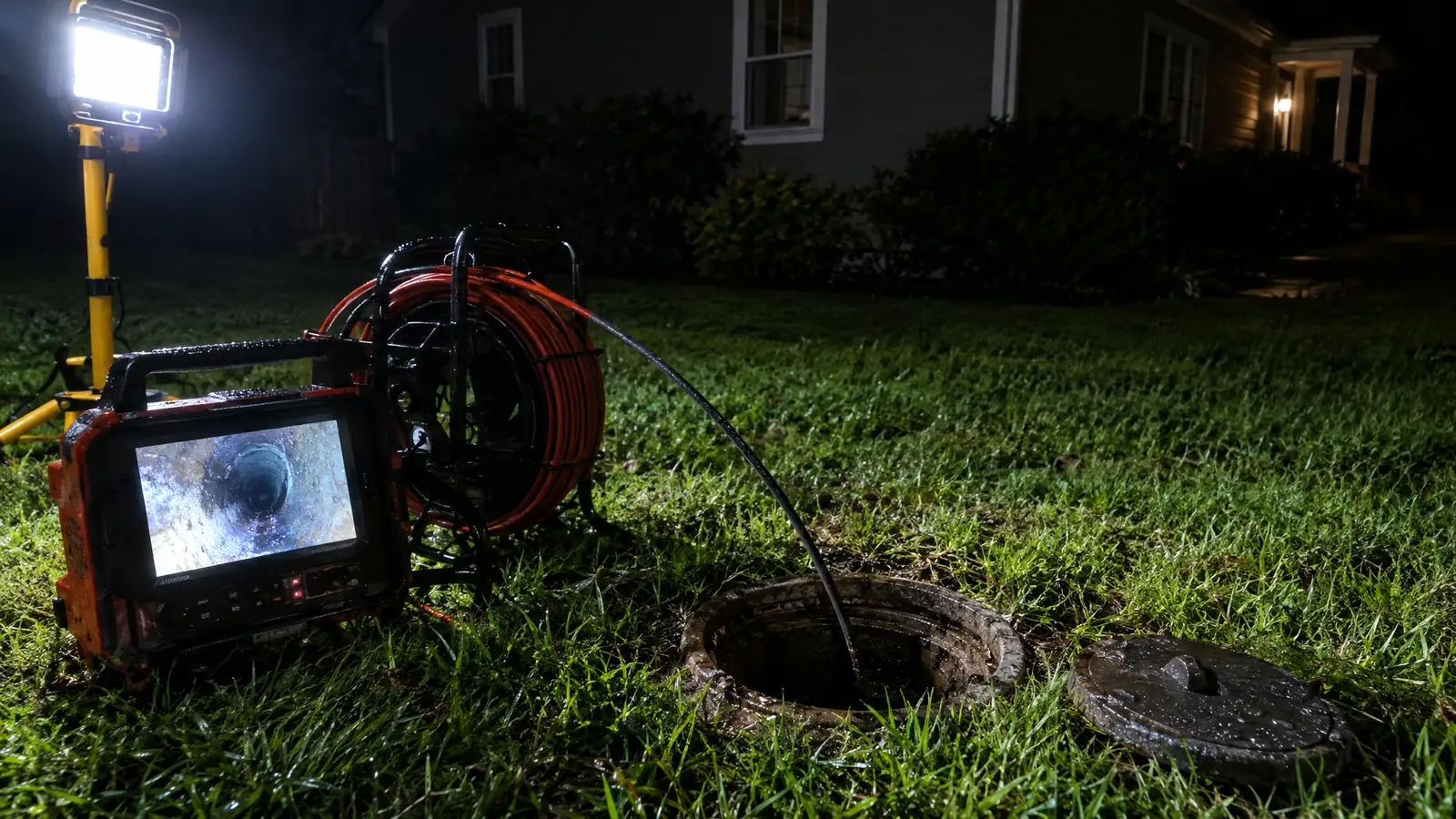
Add your policy number and the location of your cleanout.
Do a seasonal check
Before winter, insulate exposed pipes and disconnect hoses. Before storm season, test the sump pump and clear downspouts. Once a year, operate each shutoff so it does not seize.
These checks take less than an hour and prevent many of the emergencies we see.
Quick answers
Do I need special tools?
No. The kit is to buy you time, not to do the repair.
Should I keep a pipe wrench?
It is useful for some tasks, but do not force a stuck valve with it.
Need help with this right now?
Call (615) 952-0844 any hour, or send the form below. If you smell gas, leave and call 911 and your gas utility first.